Research Articles
Membrane Protein Stabilization: A Comprehensive Guide to Detergent Screening for Structural Biology & Drug Discovery
This article provides a systematic framework for the detergent screening process essential for membrane protein stabilization, a critical bottleneck in structural biology and drug development.
Colocalization Analysis of Hsc70 with Lysosomal Markers: A Guide for Cellular Stress & Disease Research
This article provides a comprehensive, step-by-step guide for researchers investigating the critical relationship between the molecular chaperone Hsc70 and lysosomes.
From Sequence to Consequence: Using Deep Learning to Predict PTM Sites for Protein Variant Analysis in Drug Discovery
This article explores the transformative role of deep learning in predicting post-translational modification (PTM) sites for the functional analysis of genetic variants.
Overcoming Toxic Protein Expression: Advanced Strategies for Bacterial Systems in Research and Drug Development
This article provides a comprehensive guide for researchers, scientists, and drug development professionals tackling the challenge of expressing toxic proteins in bacterial hosts, specifically E.
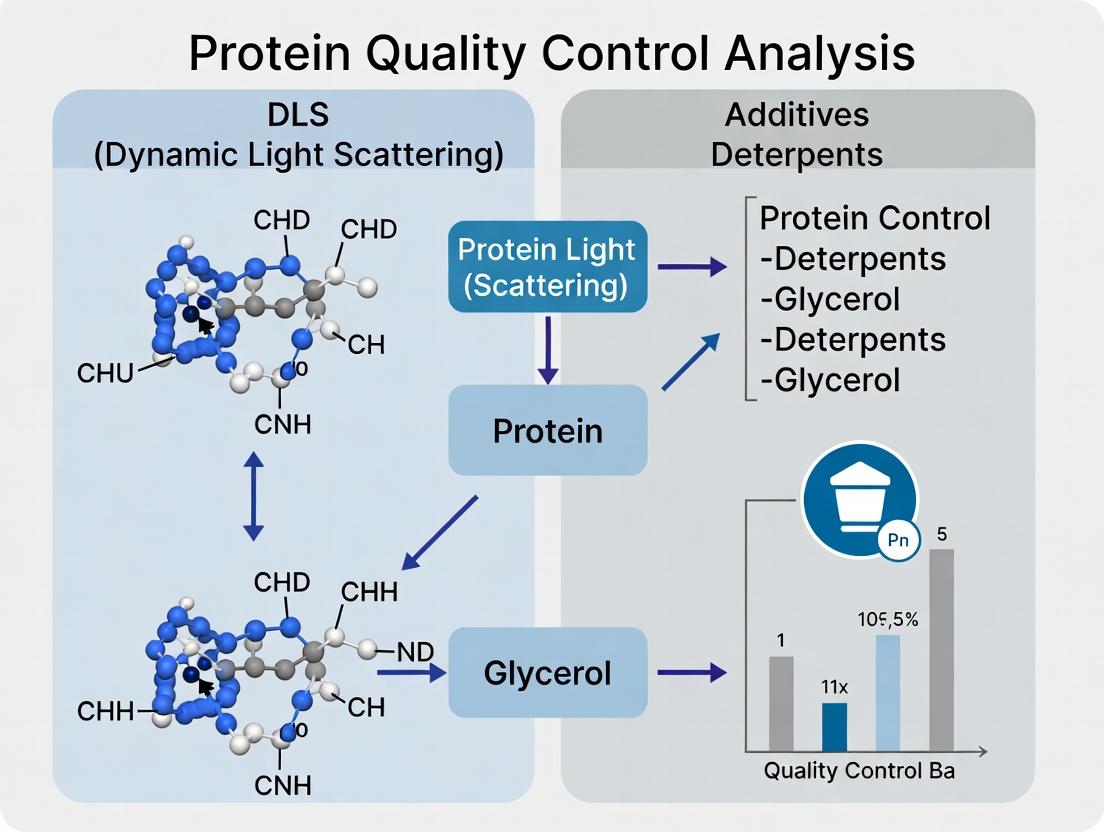
Optimizing DLS for Protein Samples: A Complete Guide to Using Additives, Detergents, and Glycerol
This comprehensive guide explores the application of additives, detergents, and glycerol in Dynamic Light Scattering (DLS) for protein analysis in drug development.
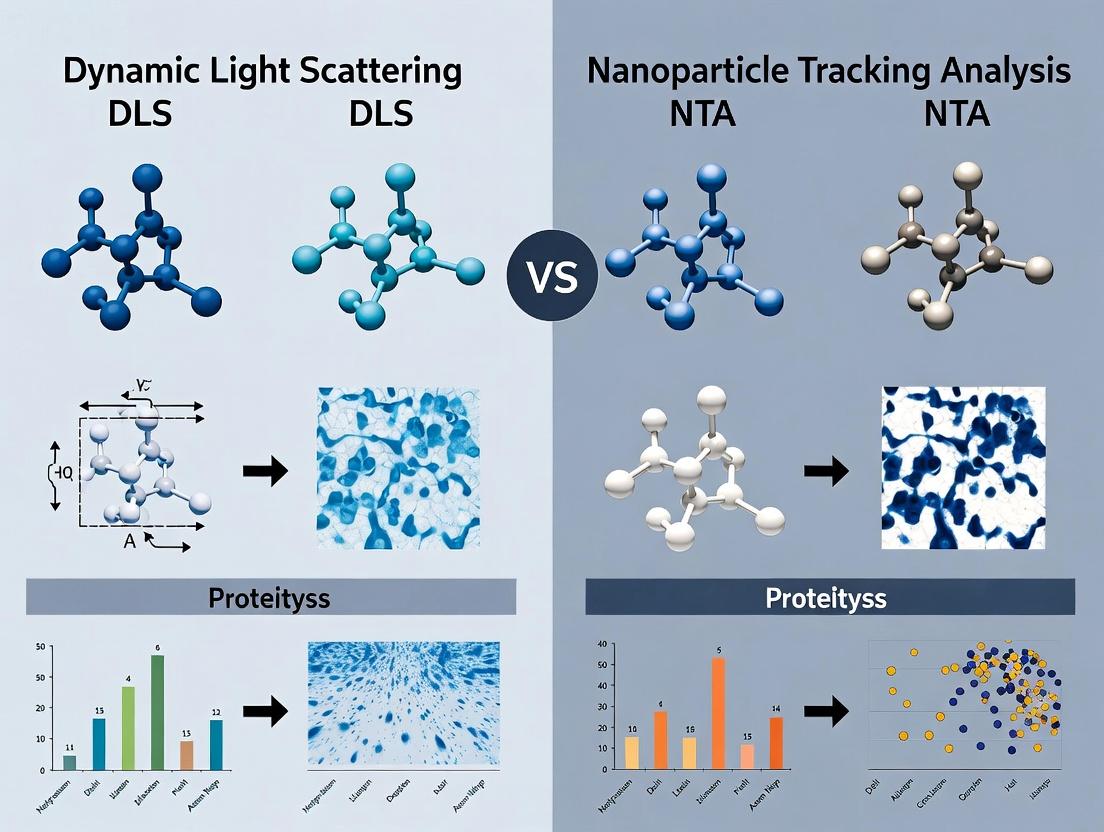
DLS vs NTA for Protein Characterization: A Comprehensive Guide for Biopharma Researchers
This article provides a detailed comparative analysis of Dynamic Light Scattering (DLS) and Nanoparticle Tracking Analysis (NTA) for the characterization of proteins and nanoparticles in biopharmaceutical research.
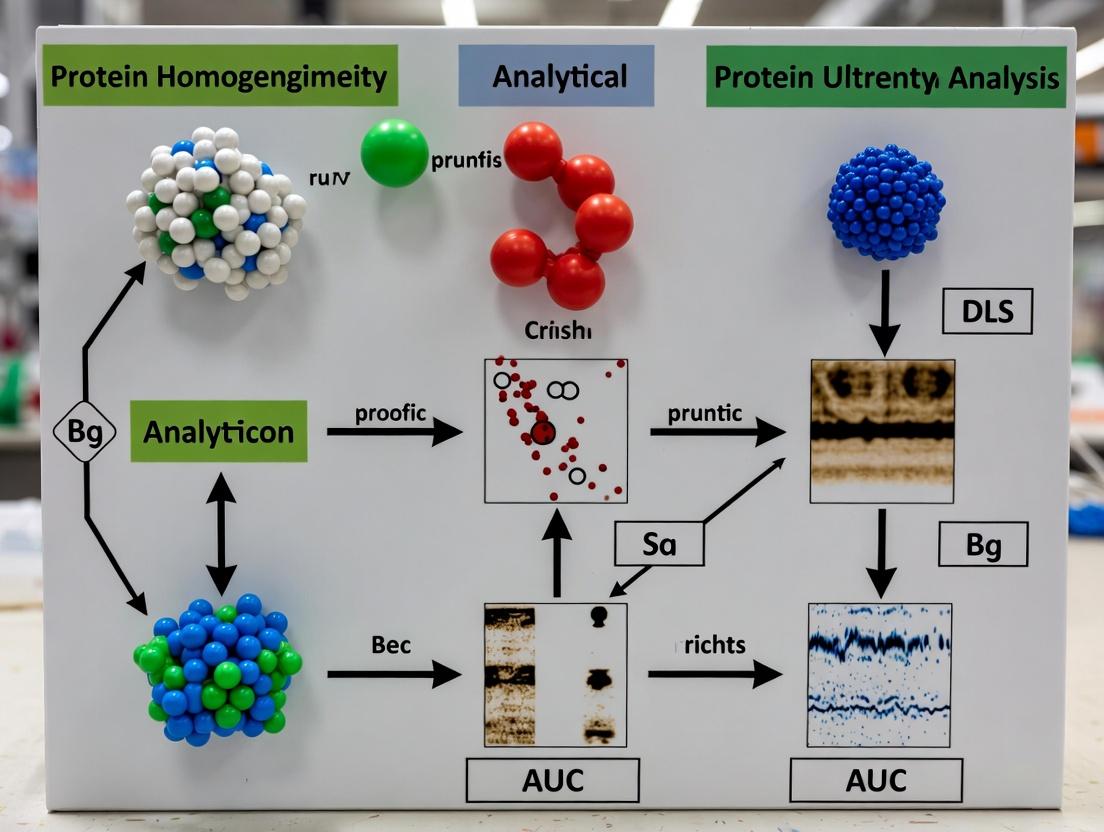
DLS vs AUC for Protein Homogeneity Analysis: A Comparative Guide for Biopharmaceutical Researchers
This article provides a comprehensive comparison of Dynamic Light Scattering (DLS) and Analytical Ultracentrifugation (AUC) for assessing protein homogeneity, a critical quality attribute in biotherapeutic development.
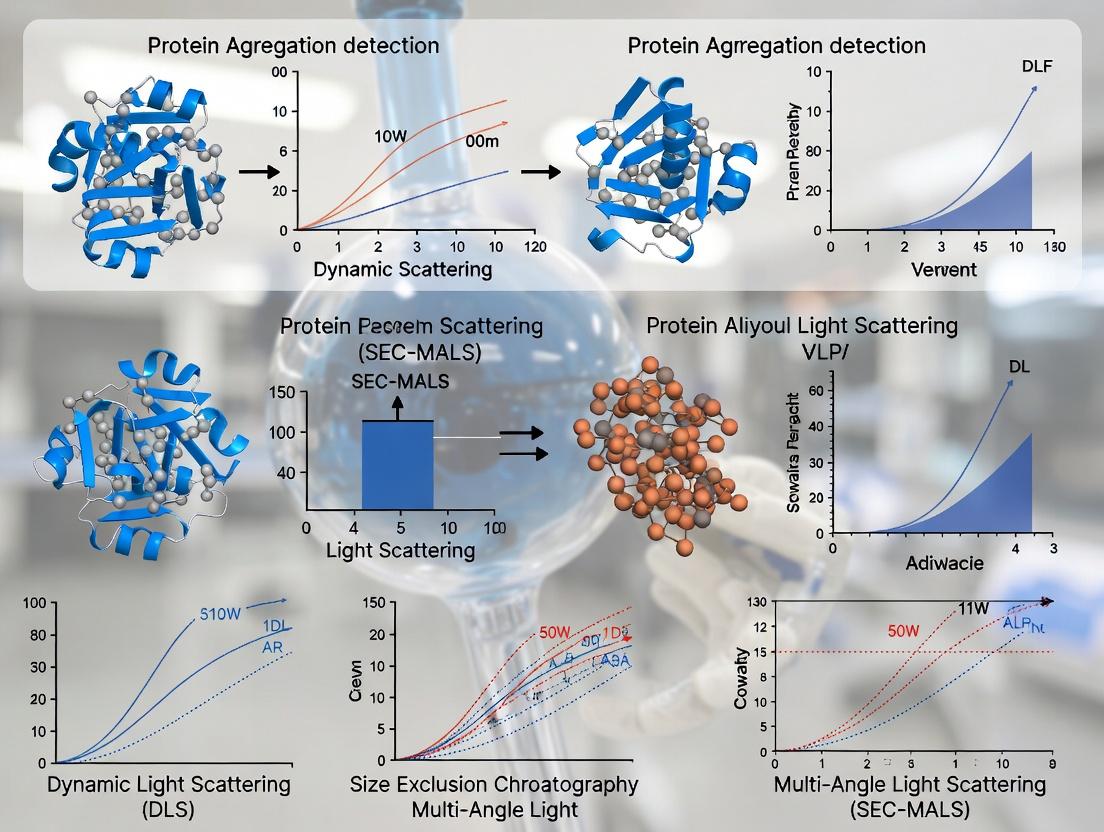
DLS vs. SEC-MALS: A Comparative Guide to Protein Aggregation Analysis for Biopharmaceutical Development
This comprehensive guide compares Dynamic Light Scattering (DLS) and Size Exclusion Chromatography with Multi-Angle Light Scattering (SEC-MALS), two cornerstone techniques for detecting and characterizing protein aggregation.
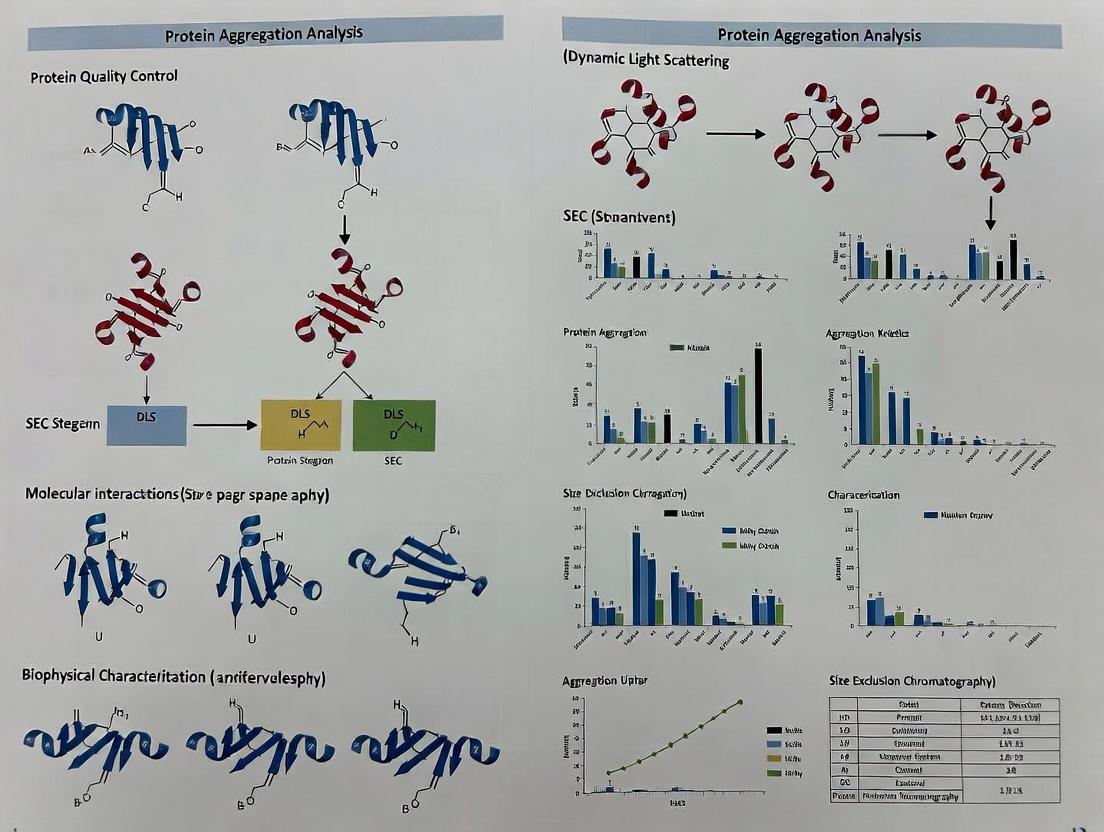
DLS vs SEC for Protein Aggregation: A 2024 Guide for Biopharmaceutical Scientists
This comprehensive guide compares Dynamic Light Scattering (DLS) and Size Exclusion Chromatography (SEC) for analyzing protein aggregation, a critical parameter in biopharmaceutical development.
DLS vs DSF: A Comprehensive Guide to Choosing the Right Protein Stability Assay
This article provides researchers, scientists, and drug development professionals with a detailed, current comparison of Differential Scanning Fluorimetry (DSF) and Dynamic Light Scattering (DLS) for protein stability assessment.