Research Articles
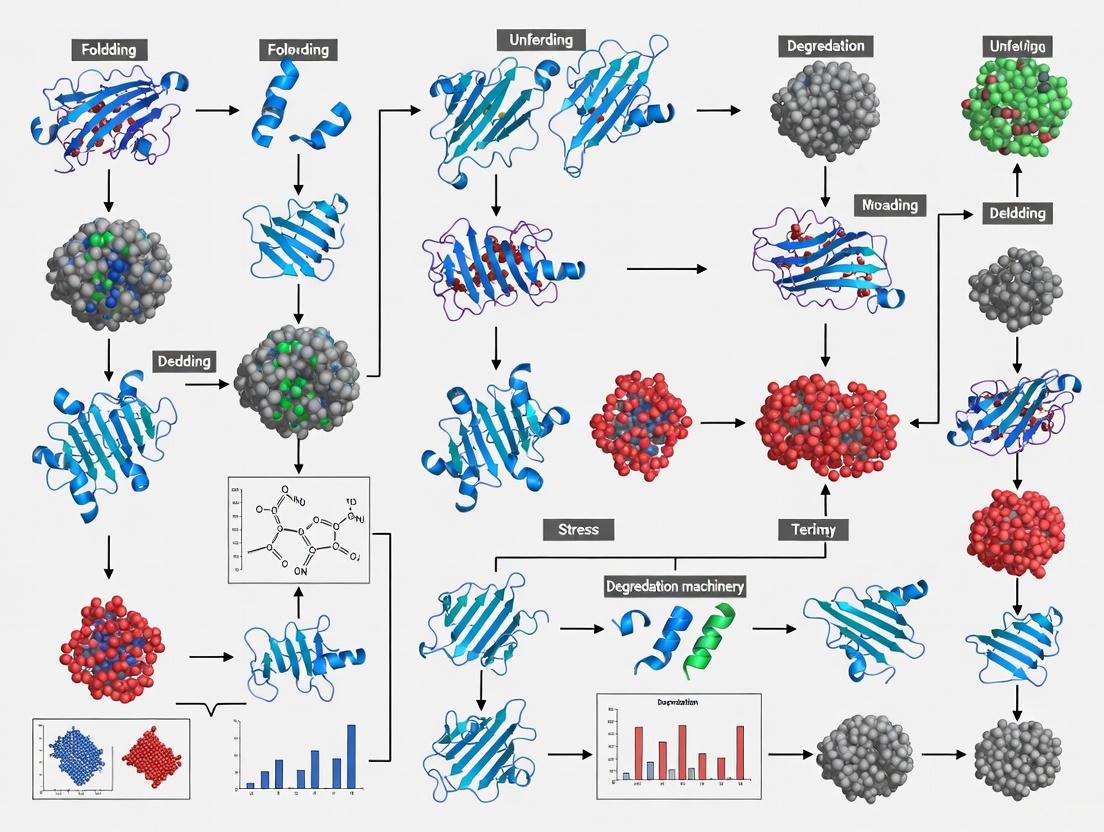
Protein Quality Control: The Master Modulator of Bacterial Evolution and a New Frontier in Drug Development
This article synthesizes contemporary research on the bacterial Protein Quality Control (PQC) network, a system of chaperones, proteases, and translational machinery that maintains proteome homeostasis.

Strategies for Preventing Protein Aggregation: A Comprehensive Guide for Purification and Storage
This article provides a systematic guide for researchers and drug development professionals on mitigating protein aggregation, a critical challenge that compromises therapeutic efficacy and patient safety.
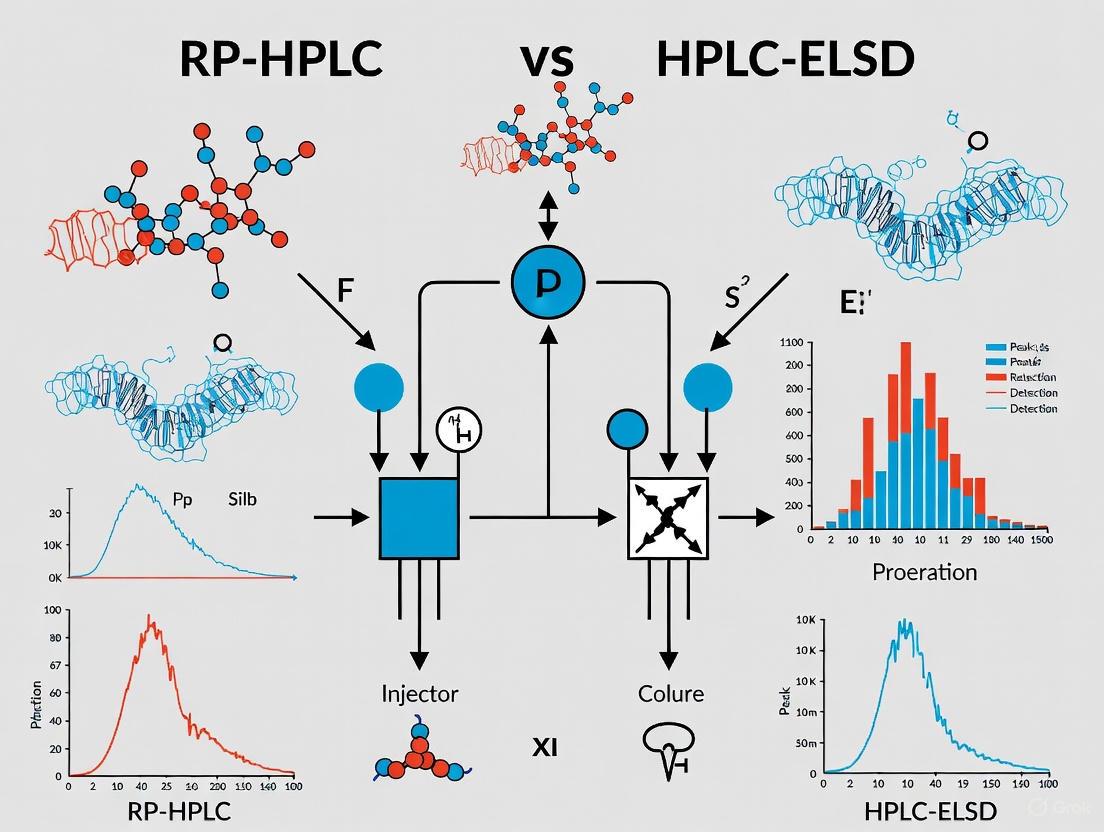
RP-HPLC vs. HPLC-ELSD for Protein Quantification: A Comprehensive Guide for Pharmaceutical Scientists
This article provides a systematic comparison of Reverse-Phase High-Performance Liquid Chromatography (RP-HPLC) and HPLC coupled with Evaporative Light Scattering Detection (HPLC-ELSD) for protein quantification in pharmaceutical formulations.
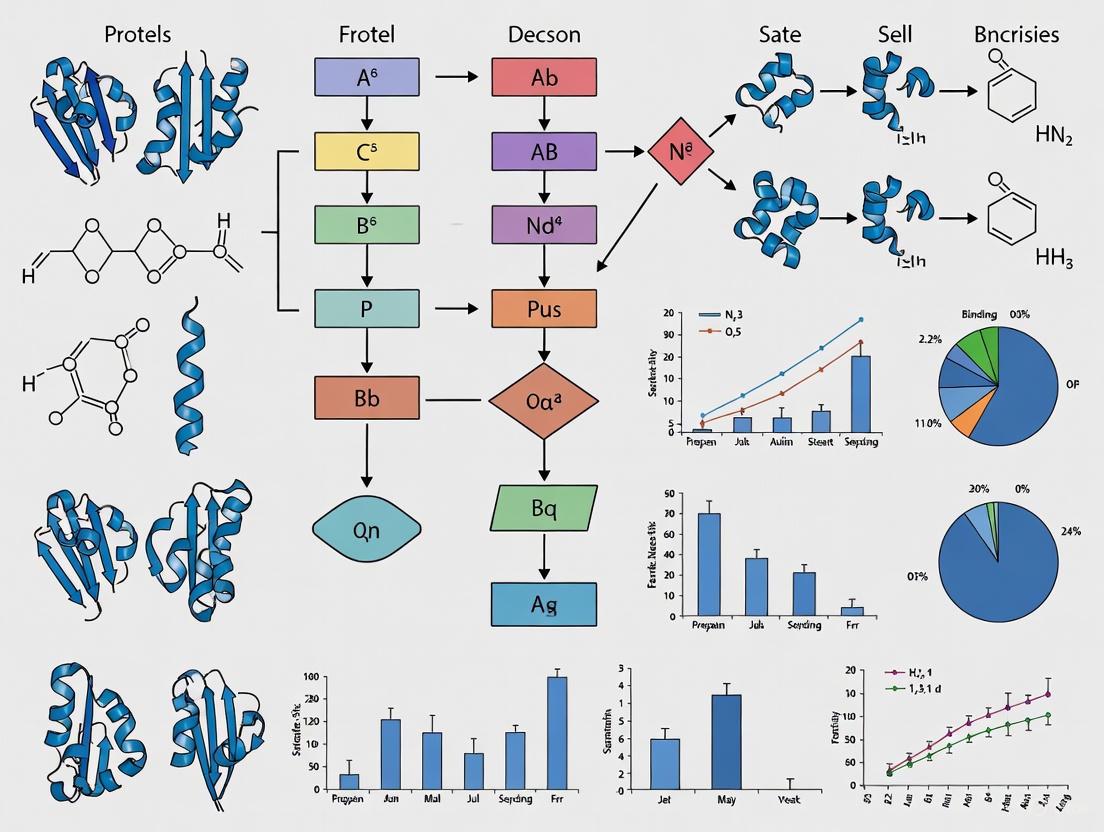
Protein Stability Design: Advanced Methods to Boost Heterologous Expression for Research and Therapeutics
This article provides a comprehensive overview of modern computational and experimental strategies for designing protein stability to overcome the critical bottleneck of low yields in heterologous expression.
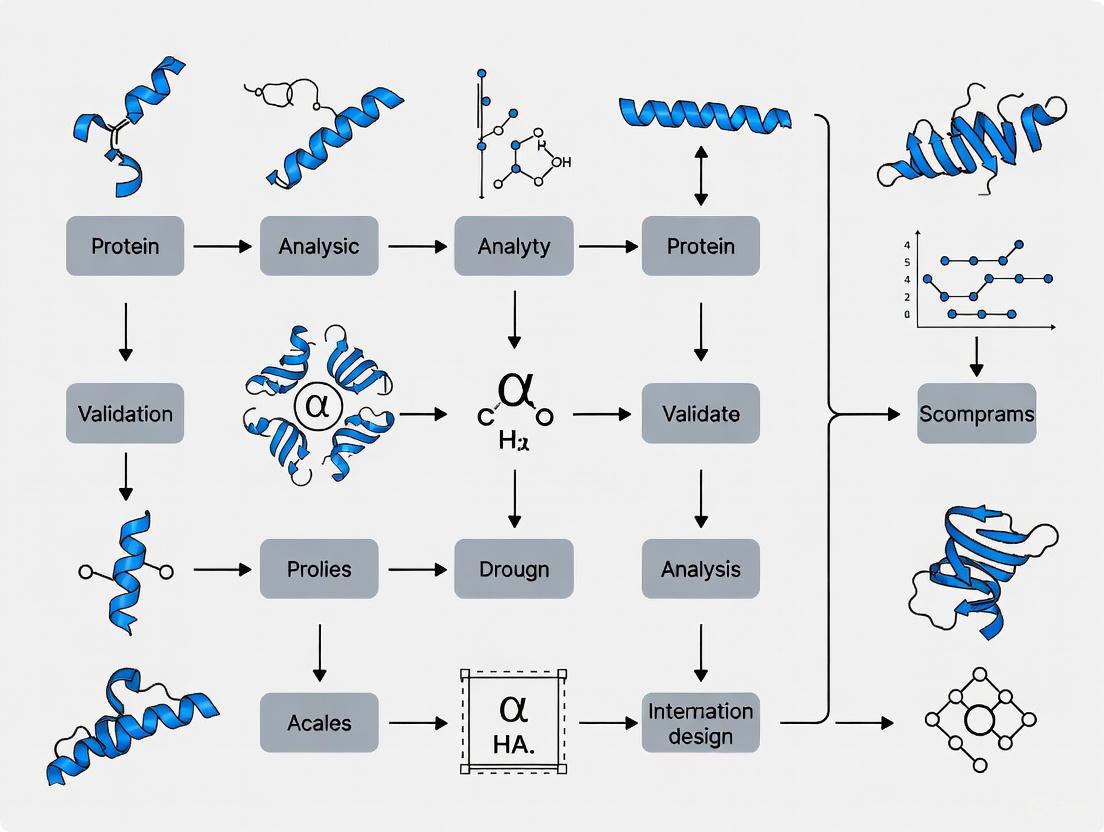
Validating Protein Stability Design: From Computational Methods to Cross-Family Applications
This article provides a comprehensive overview of the current landscape, methodologies, and validation frameworks for computational protein stability design.
Protein Quality in Plant vs. Animal Sources: A Scientific Analysis for Biohealth Applications
This article provides a comprehensive analysis of protein quality from plant and animal sources, tailored for researchers and drug development professionals.
Evolutionary Guardians of the Proteome: A Cross-Species Analysis of Protein Quality Control Pathways
This review provides a comprehensive comparative analysis of protein quality control (PQC) pathways across species, from yeast to humans.
Ensuring Lot-to-Lot Consistency in Protein Reagents: A Guide for Reproducible Research and Drug Development
This article addresses the critical challenge of lot-to-lot variability in protein reagent production, a major source of irreproducibility in biomedical research and a significant risk in diagnostic and therapeutic development.
UPS vs. Autophagy: Mechanisms, Applications, and Therapeutic Targeting in Misfolded Protein Degradation
This article provides a comprehensive comparison of the Ubiquitin-Proteasome System (UPS) and Autophagy, the two primary cellular pathways for degrading misfolded proteins.
Validating Protein Quality Metrics for Sustainable Environmental Impact Assessment
This article provides a comprehensive framework for researchers and scientists to integrate validated protein quality metrics, specifically the Digestible Indispensable Amino Acid Score (DIAAS), into environmental impact assessments such as...