Research Articles
Quantifying Liposomal Protein Encapsulation: Advanced Methods for Efficiency Analysis and Optimization
Accurate determination of encapsulation efficiency (EE) is a critical quality attribute for developing effective liposomal protein formulations.
Evolution-Guided Atomistic Design: The Next Frontier in Protein Optimization and Therapeutic Development
This article explores the transformative methodology of evolution-guided atomistic design, a powerful computational strategy that synergizes analysis of natural evolutionary sequences with atomic-level physics-based calculations to optimize protein stability and...
Absolute Protein Oligomeric State Characterization: A Comprehensive Guide to SEC-MALS
This article provides a comprehensive overview of Size-Exclusion Chromatography with Multi-Angle Light Scattering (SEC-MALS) for the absolute characterization of protein oligomeric states.
Protein Homogeneity Assessment by Dynamic Light Scattering (DLS): A Comprehensive Guide for Biopharmaceutical Development
This article provides a comprehensive overview of Dynamic Light Scattering (DLS) as a critical analytical technique for assessing protein homogeneity in biopharmaceutical research and development.
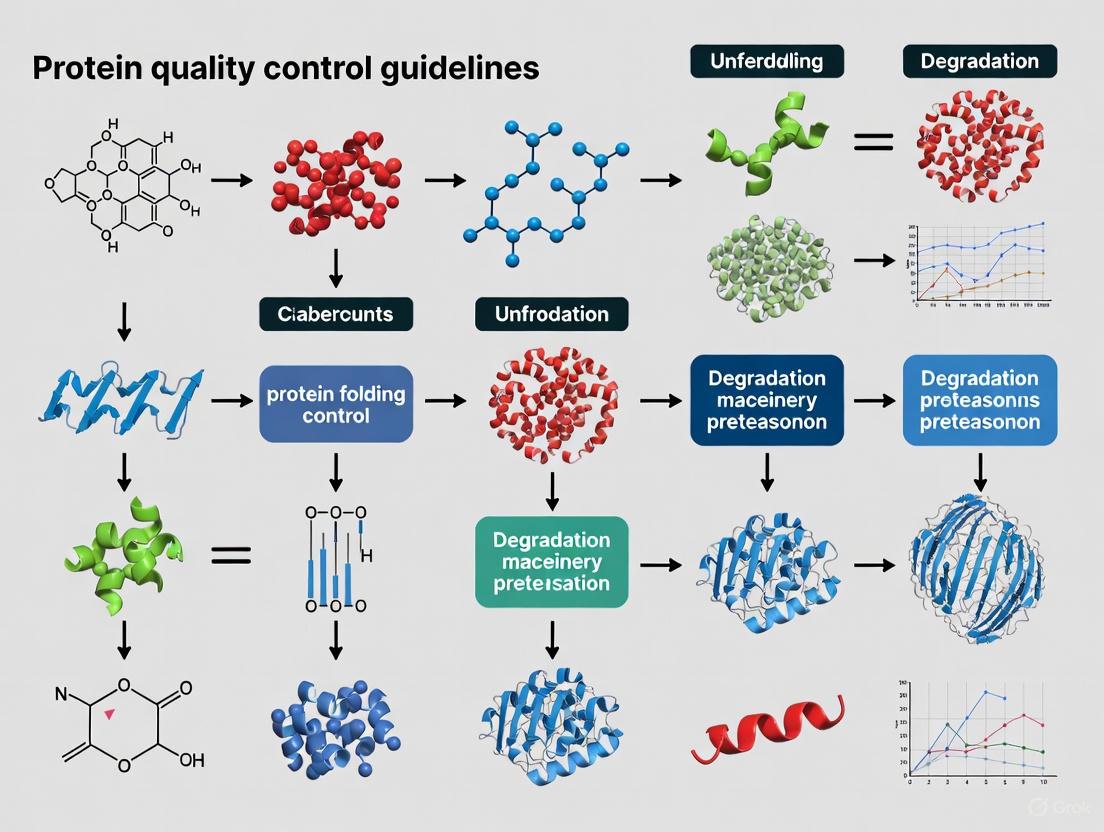
Protein Quality Control Guidelines: Ensuring Research Reproducibility in Biomedical Science
This article provides a comprehensive guide to protein quality control (QC) for researchers and drug development professionals, addressing the critical need for reproducible data.
The KEAP1-NRF2-ARE Signaling Pathway: Master Regulator of Protein Quality Control and Cellular Defense
This article comprehensively explores the KEAP1-NRF2-ARE signaling pathway, a central mechanism in cellular defense and protein quality control.
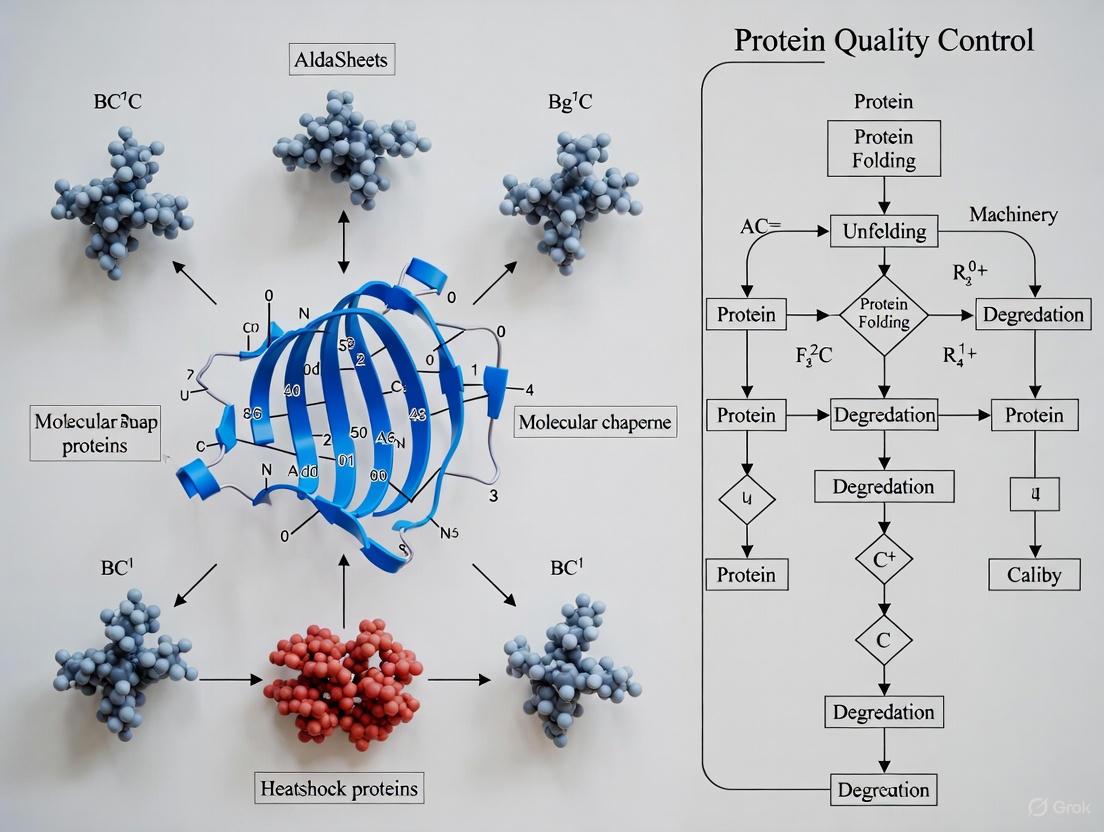
Harnessing Protein Quality Control: From Mechanistic Insights to Clinical Degradation Therapies
This article explores the paradigm of targeting the cell's intrinsic protein quality control (PQC) machinery for therapeutic purposes, a strategy that is reshaping drug discovery.
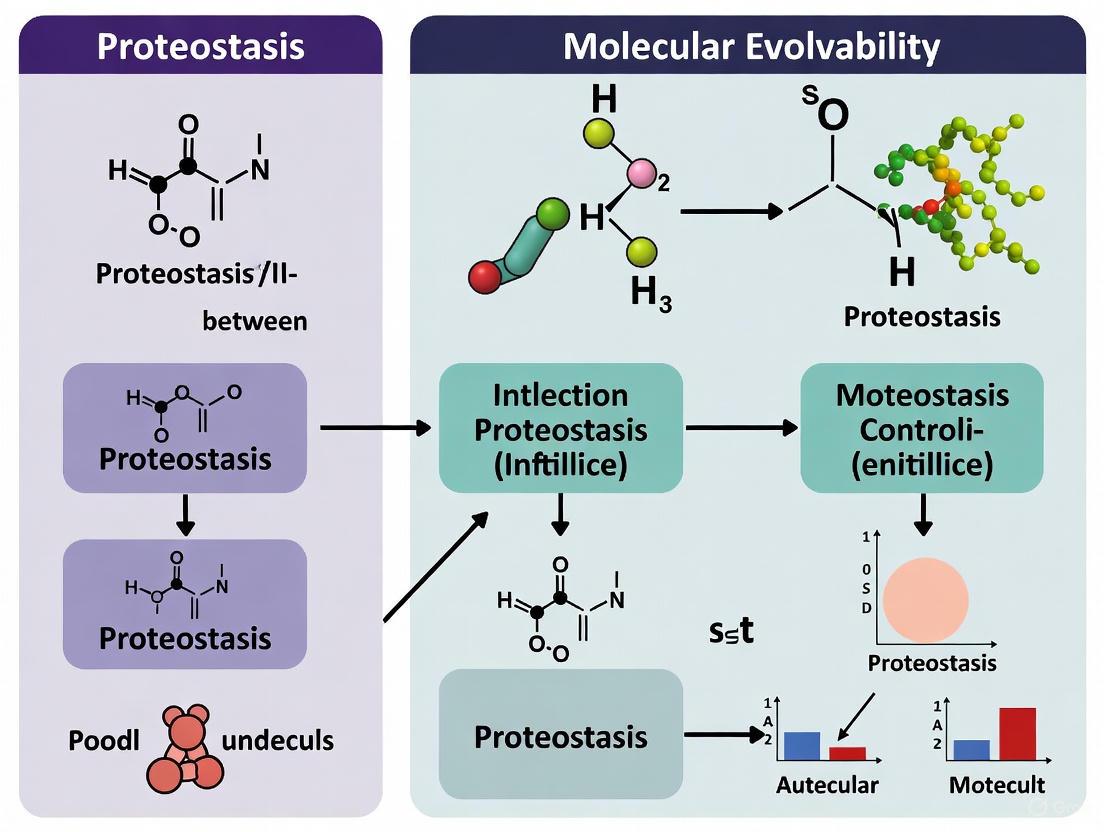
Proteostasis as a Master Regulator of Molecular Evolvability: Mechanisms and Therapeutic Implications
This article explores the critical and evolving paradigm that the cellular proteostasis network is a central modulator of molecular evolution.
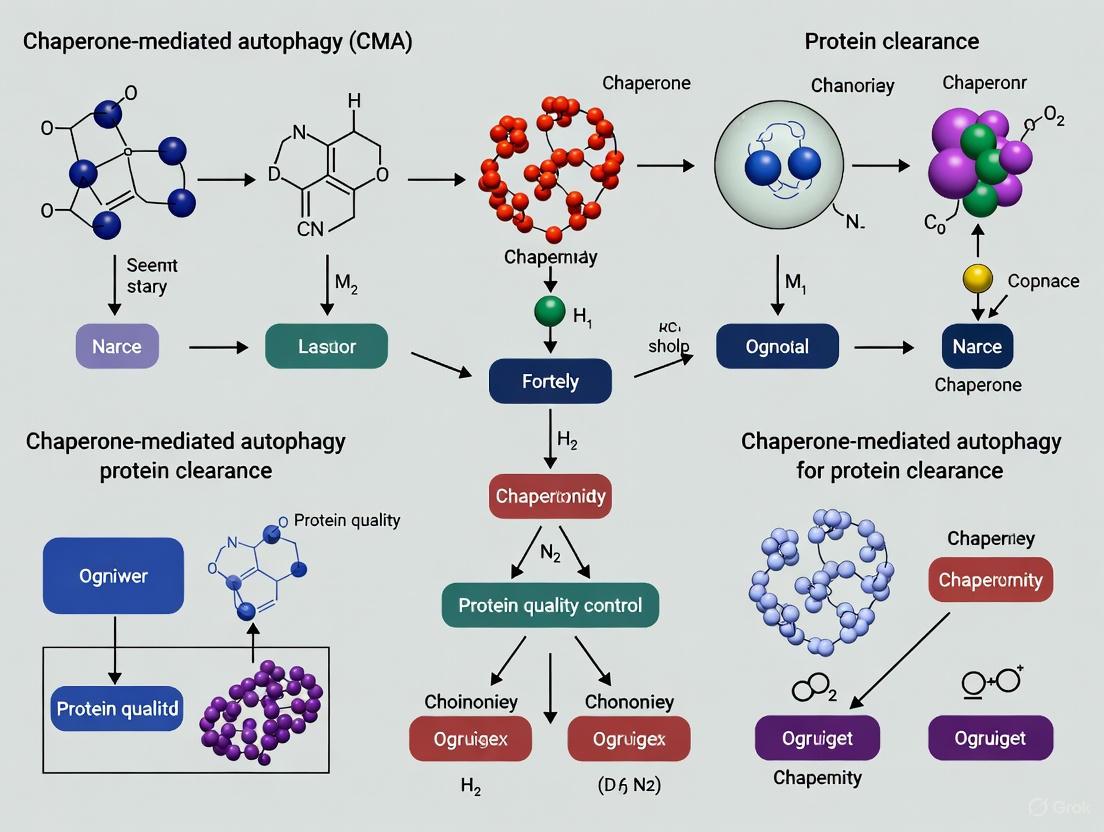
Chaperone-Mediated Autophagy (CMA): Molecular Mechanisms, Therapeutic Targeting, and Role in Age-Related Diseases
Chaperone-mediated autophagy (CMA) is a selective lysosomal degradation pathway crucial for cellular homeostasis, targeting specific proteins bearing a KFERQ-like motif.
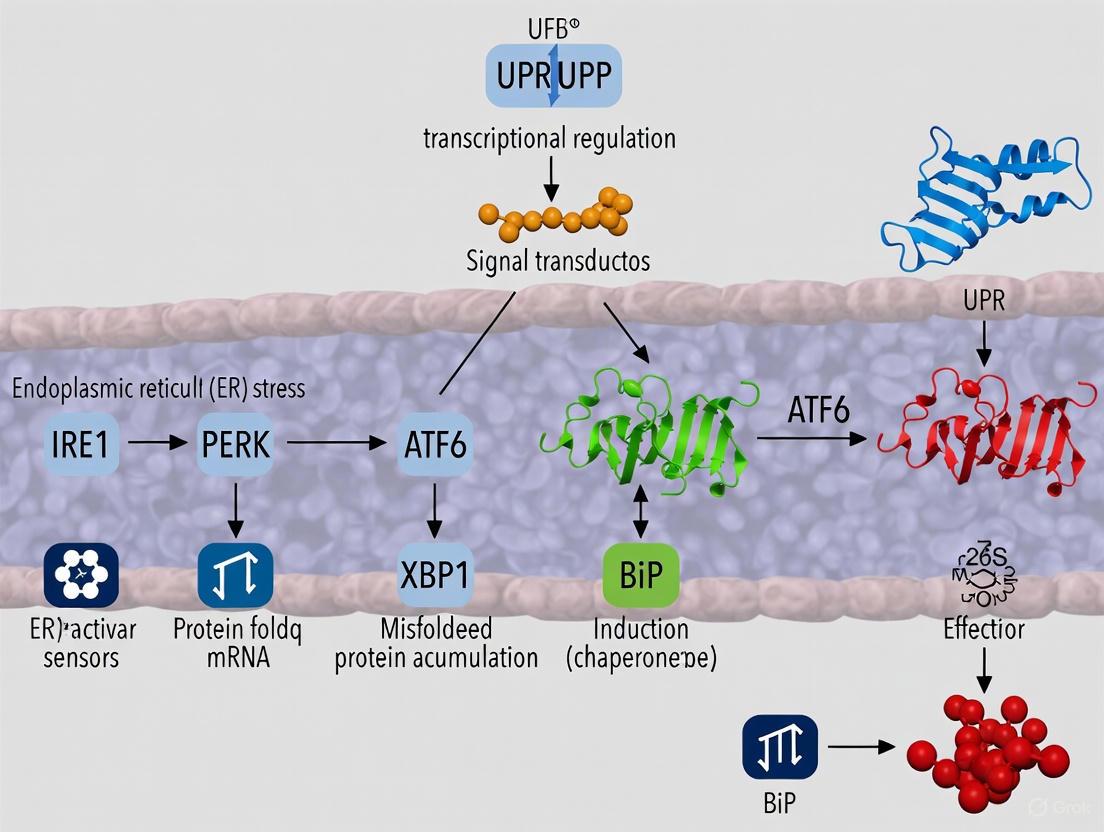
Unfolded Protein Response (UPR): From ER Stress Mechanisms to Therapeutic Targeting in Disease
This article provides a comprehensive overview of the Endoplasmic Reticulum (ER) unfolded protein response (UPR), a critical signaling network that maintains cellular proteostasis.