Research Articles
Protein Solubility and Aggregation: A Comprehensive Guide for Biopharmaceutical Development
This article provides a complete framework for understanding and managing protein solubility and aggregation, critical challenges in biopharmaceutical research.
Bacterial vs. Mammalian Expression System Cost Analysis: A 2024 Guide for Biopharma Research
This article provides a comprehensive, up-to-date cost analysis of bacterial (primarily E.
BL21(DE3) vs C41(DE3): Choosing the Right E. coli Strain for Toxic Protein Expression
This article provides a comprehensive comparison of the widely used BL21(DE3) and the toxicity-optimized C41(DE3) Escherichia coli strains for recombinant protein expression.
Choosing the Right Protein Assay: BCA vs. Bradford vs. Lowry – A Complete Guide for Researchers
This comprehensive guide compares the three most fundamental colorimetric protein assays: Bicinchoninic Acid (BCA), Bradford (Coomassie), and Lowry.
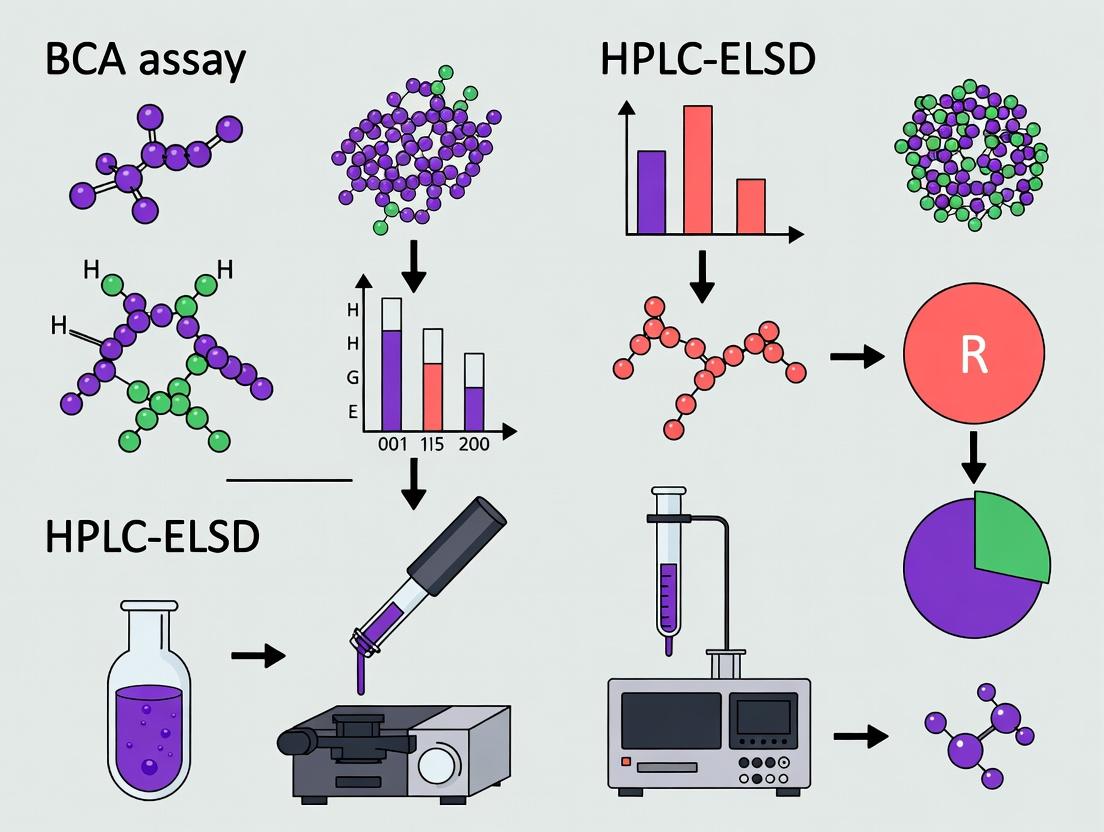
Protein Loading Analysis: BCA Assay vs HPLC-ELSD - A Complete Guide for Biopharmaceutical Development
Accurate determination of protein loading in biopharmaceutical formulations is critical for ensuring consistent dosage, stability, and therapeutic efficacy.
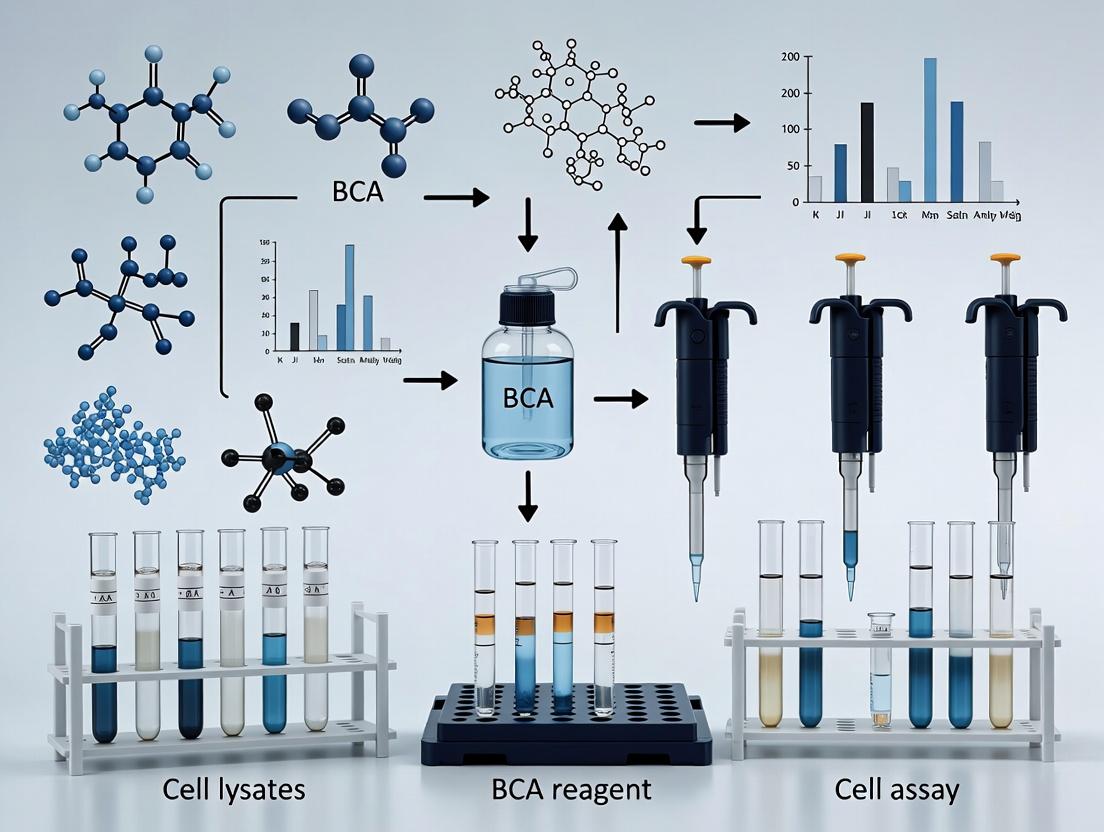
The Definitive BCA Assay Protocol: Accurate Protein Quantification in Cell Lysates for Research & Drug Development
This comprehensive guide details the optimized Bicinchoninic Acid (BCA) assay protocol for precise total protein quantification in cell lysates.
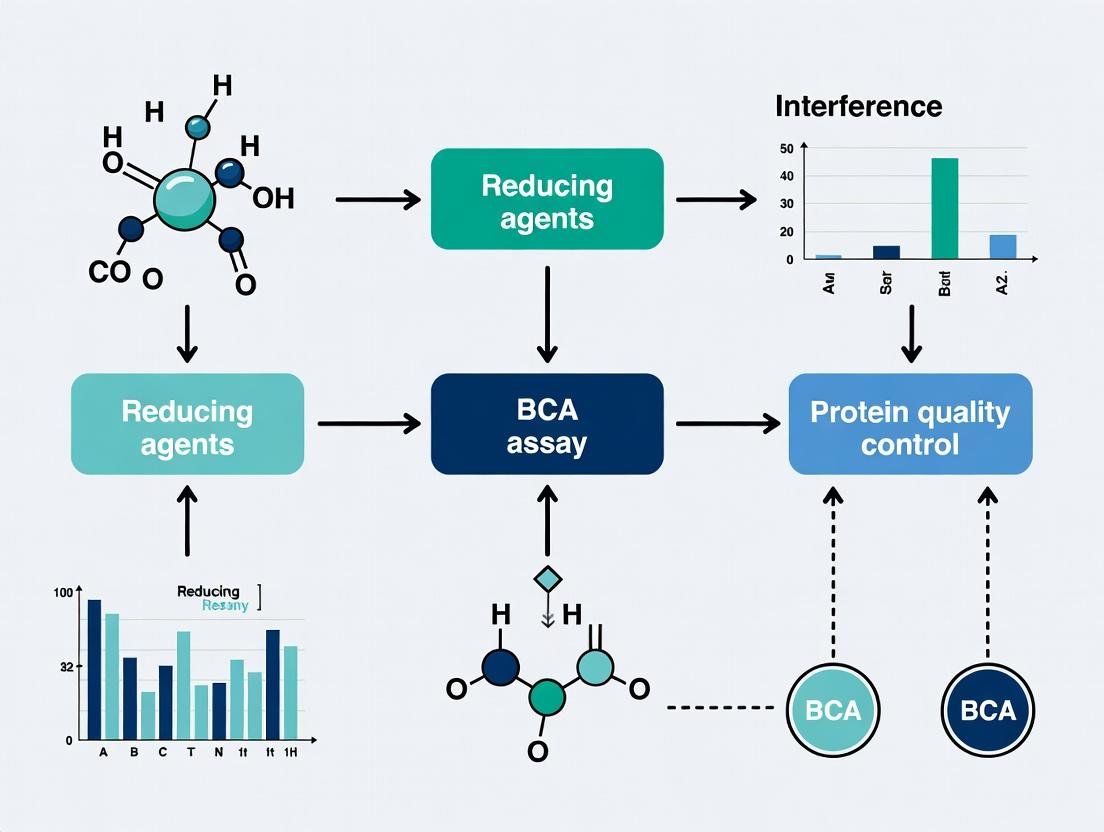
BCA Assay Interference: Understanding and Overcoming Reductant-Induced Inaccuracy in Protein Quantitation
This comprehensive guide addresses the critical challenge of reducing agent interference in Bicinchoninic Acid (BCA) protein assays, a common issue in biochemical research and biopharmaceutical development.
Mastering the BCA Assay: A Complete Guide to Determining Protein Loading in Liposomal Formulations
This comprehensive guide provides researchers, scientists, and drug development professionals with an in-depth exploration of the Bicinchoninic Acid (BCA) assay for quantifying protein encapsulation in liposomal systems.
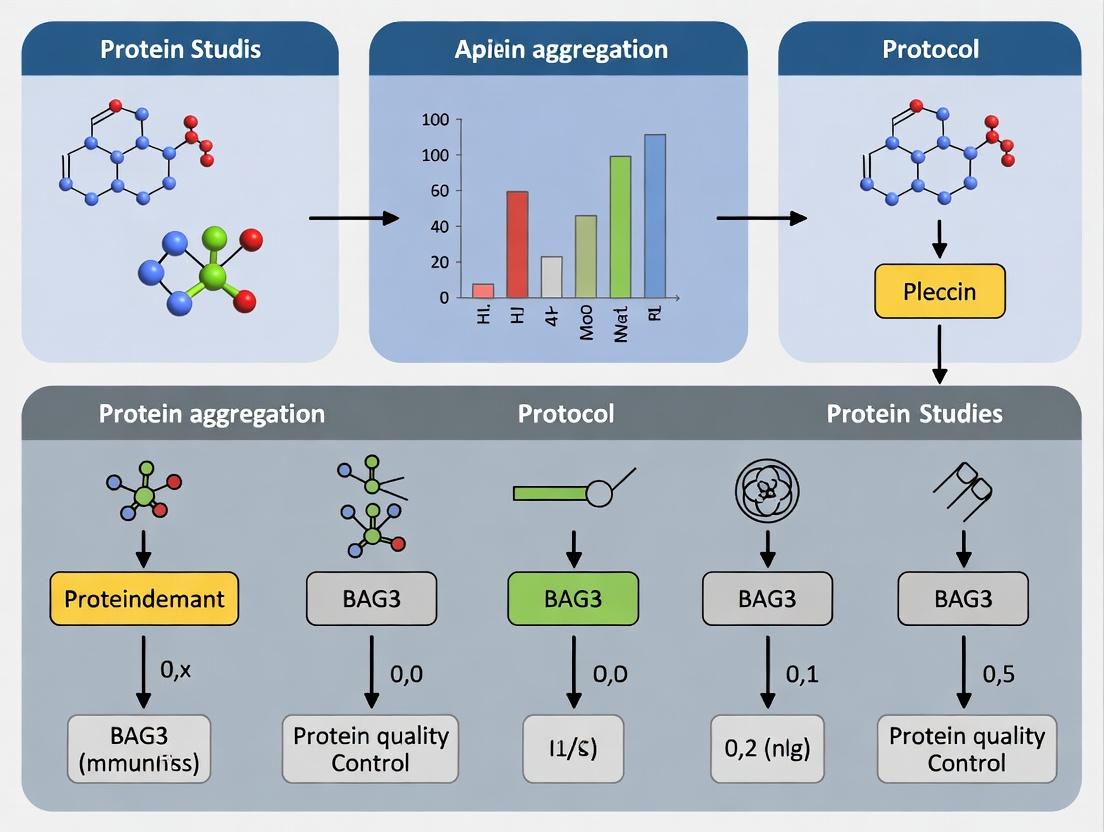
BAG3 Immunohistochemistry Protocol: Optimized Detection of Protein Aggregates in Neurodegenerative Disease Research
This article provides a comprehensive guide to utilizing BAG3 immunohistochemistry (IHC) for the precise detection and study of protein aggregates in tissue samples.
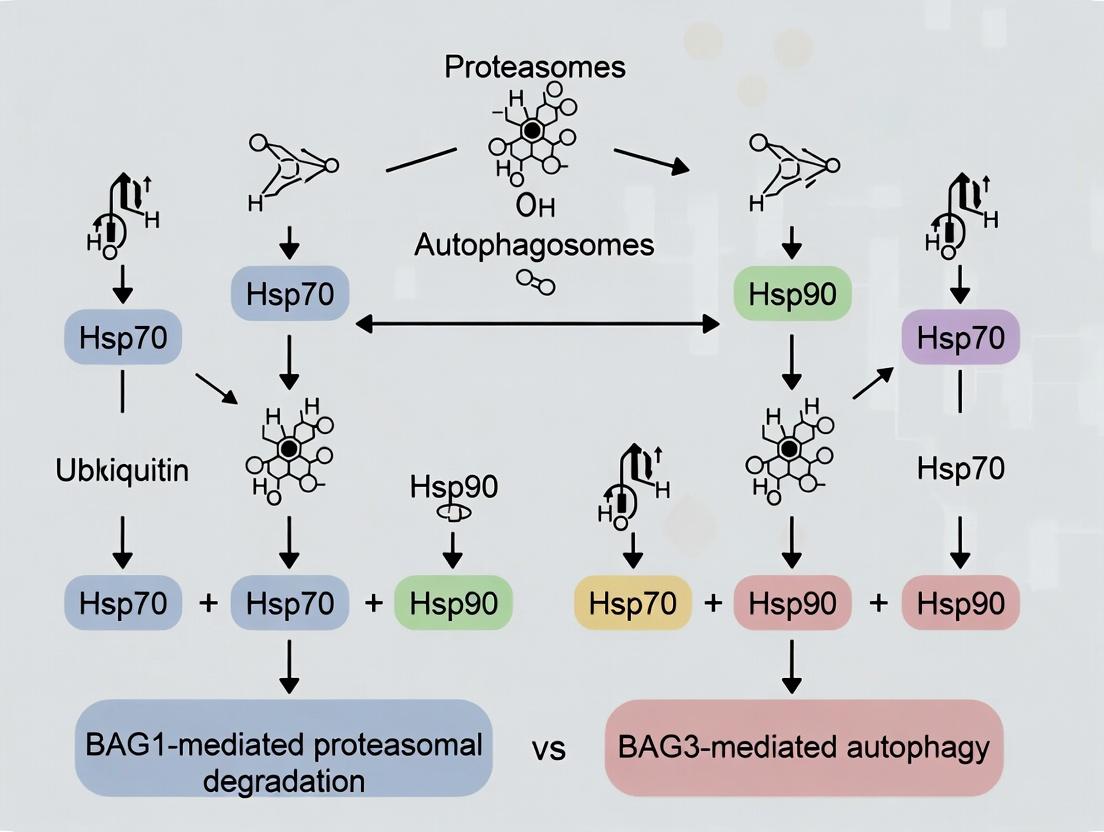
BAG1 vs BAG3 in Protein Homeostasis: Navigating Proteasomal Degradation and Selective Autophagy in Disease and Therapeutics
This comprehensive analysis explores the distinct yet interconnected roles of BAG1 and BAG3 co-chaperones in cellular protein quality control.