Harnessing AAV Gene Therapy to Target Protein Degradation Pathways: A Novel Strategy for Alzheimer's Disease
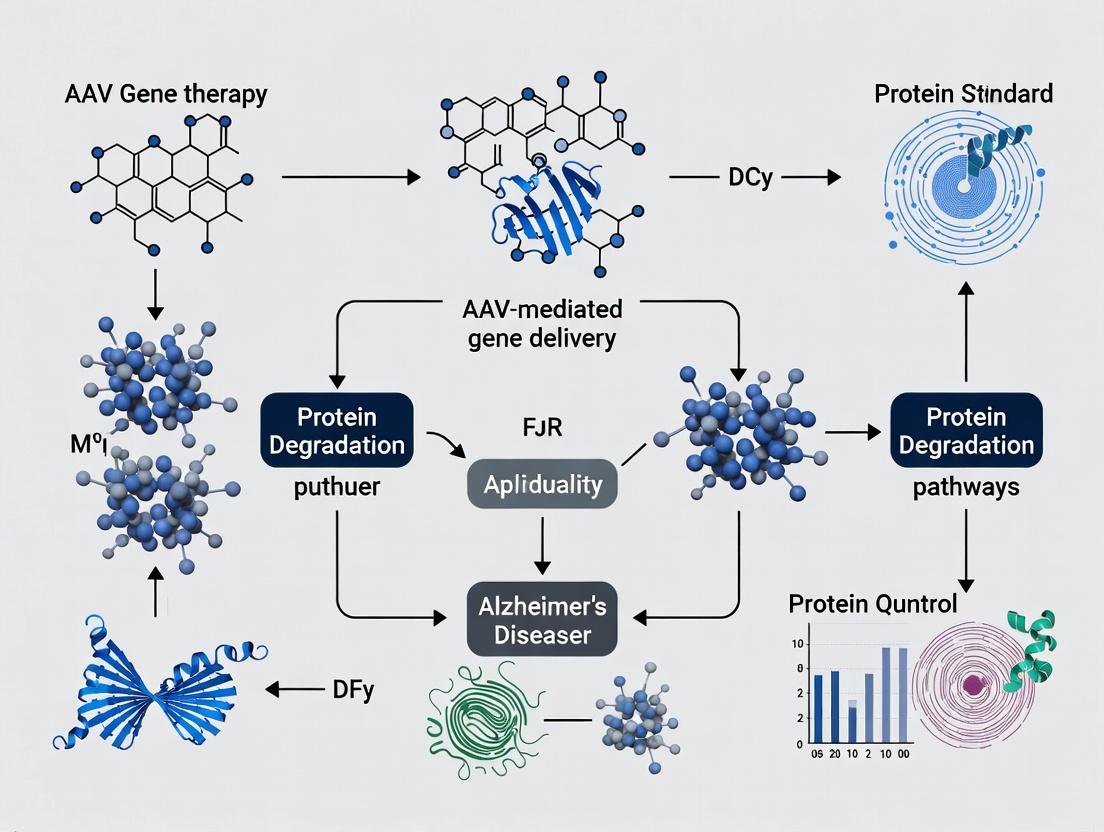
This article explores the convergence of AAV-mediated gene therapy with the targeted modulation of cellular protein degradation pathways as a next-generation approach for Alzheimer's disease (AD).
Harnessing AAV Gene Therapy to Target Protein Degradation Pathways: A Novel Strategy for Alzheimer's Disease
Abstract
This article explores the convergence of AAV-mediated gene therapy with the targeted modulation of cellular protein degradation pathways as a next-generation approach for Alzheimer's disease (AD). Targeting a research and drug development audience, we first establish the scientific rationale by examining the critical role of proteostasis failure—involving the ubiquitin-proteasome system (UPS) and autophagy-lysosomal pathway (ALP)—in AD pathology. We then detail methodological strategies for designing and delivering AAV vectors encoding effectors like engineered ubiquitin ligases, autophagy enhancers, or tau/protein aggregate-specific degraders. The discussion extends to troubleshooting key challenges such as vector tropism, immunogenicity, and achieving CNS-wide expression, followed by an analysis of preclinical validation models and comparative assessment against other therapeutic modalities. The synthesis provides a roadmap for translating this innovative gene therapy paradigm from bench to bedside.
The Proteostasis Crisis in Alzheimer's: Rationale for Targeting Degradation Pathways
Proteostasis—the homeostasis of cellular proteins—is critical for neuronal function and survival. Its failure, characterized by the accumulation of misfolded and aggregated proteins, is a hallmark of neurodegenerative diseases like Alzheimer's Disease (AD). This proteostasis collapse involves dysfunction in the ubiquitin-proteasome system (UPS), autophagy-lysosomal pathway (ALP), chaperone networks, and protein synthesis machinery. For AAV gene therapy targeting protein degradation pathways in AD, understanding and measuring proteostasis failure is foundational. This document provides application notes and protocols for key assays in this context.
Application Notes: Quantifying Proteostasis Markers
Ubiquitin-Proteasome System (UPS) Activity Assay
Context: UPS impairment leads to accumulation of polyubiquitinated proteins, a key metric of proteostasis failure. Chimeric GFP-based reporters (e.g., GFPu) are widely used. Key Quantitative Findings (2023-2024):
- In post-mortem AD temporal cortex, levels of K48-linked polyubiquitin chains are increased by 2.8 ± 0.4-fold compared to age-matched controls (n=15/group, p<0.001).
- AAV-mediated delivery of a proteasome reporter in AD mouse models (5xFAD) shows a 40-50% reduction in proteasomal degradation capacity in hippocampal neurons versus wild-type.
Table 1: Quantitative Assays for Proteostasis Failure
| Assay Target | Method | Key Metric | Typical Result in AD Models | Reference (Recent) |
|---|---|---|---|---|
| UPS Function | Live-cell GFP-degron reporter (GFPu) | Fluorescence intensity (Fold change) | Increase of 2.0-3.0-fold vs. control | Silva et al., 2023, Cell Reports |
| Autophagic Flux | LC3-II turnover (WB with Bafilomycin A1) | LC3-II ratio (+BafA1/-BafA1) | Ratio decrease from ~4.0 to ~1.5 | Rivera et al., 2024, Nature Aging |
| Chaperone Response | HSF1 activation (Phospho-HSF1 Ser326) | p-HSF1/HSF1 ratio (ELISA) | Increase of 1.8-fold in plasma exosomes | Patel et al., 2023, Brain |
| Aggregate Load | Soluble/Insoluble Aβ & p-Tau (Sequential Extraction) | Insoluble fraction (%) | Aβ42: >60% insoluble; p-Tau: >40% insoluble | Kumar et al., 2024, Acta Neuropathol |
Autophagic Flux Measurement
Context: Impaired ALP prevents clearance of protein aggregates. Measuring LC3-II turnover is the gold standard. Recent studies using AAV-mCherry-GFP-LC3B allow in vivo neuronal tracking. Key Quantitative Findings (2023-2024):
- Neurons from APP/PS1 mice show an autophagic flux ratio (mCherry/GFP signal in autolysosomes) reduced by ~65%.
- CSF levels of lysosomal enzyme Cathepsin D are elevated in early AD by 1.7-fold, indicating a compensatory but insufficient response.
Experimental Protocols
Protocol 1: Measuring Neuronal Proteasomal ActivityIn VitroUsing a GFP Reporter
Principle: AAV transduction of a GFP-degron (GFPu) construct into primary neurons. Accumulation of GFP fluorescence inversely correlates with UPS activity.
Materials:
- Primary hippocampal neurons (DIV 7-10)
- AAV9-CMV-GFPu (titer ≥ 1x10^13 vg/mL)
- Proteasome inhibitor (MG132, 10μM) - positive control
- Imaging media (Neurobasal + B27)
- Confocal microscope or high-content imaging system
Procedure:
- Transduction: Infect neurons with AAV9-CMV-GFPu at an MOI of 10,000 in maintenance media. Include an untransduced control.
- Treatment: 72 hours post-transduction, treat cells with experimental compounds or vehicle for 24h. Include a positive control well with MG132.
- Fixation & Imaging: Wash cells with PBS and fix with 4% PFA for 15 min. Wash and mount. Image using a 20x objective (Ex/Em: 488/510 nm).
- Quantification: Using ImageJ/Fiji, measure mean GFP fluorescence intensity per soma in at least 100 neurons per condition. Normalize to the vehicle control.
- Data Analysis: Express data as fold change in fluorescence relative to control. Statistical analysis via one-way ANOVA.
Protocol 2: Assessing Autophagic Flux in Mouse Brain via AAV-LC3 Reporter
Principle: Dual-fluorescent mCherry-GFP-LC3 reporter delivered via AAV. GFP signal is quenched in acidic autolysosomes, while mCherry is stable. Yellow puncta (GFP+mCherry+) represent autophagosomes; red-only puncta (mCherry+) represent autolysosomes.
Materials:
- C57BL/6 or AD model mice (6-8 months)
- AAV-PHP.eB-hSyn-mCherry-GFP-LC3B (titer ≥ 2x10^13 vg/mL)
- Stereotaxic injection apparatus
- Lysosomotropic agent (Chloroquine, 50 mg/kg) - flux inhibitor control
- Cryostat, confocal microscope.
Procedure:
- Stereotaxic Injection: Anesthetize mouse and inject 2 μL of AAV (unilaterally or bilaterally) into the hippocampus (coordinates from Bregma: AP -2.1 mm, ML ±1.8 mm, DV -1.9 mm) at 0.2 μL/min.
- Experimental Timeline: Allow 4 weeks for expression. One cohort receives chloroquine (i.p.) 24h and 4h prior to sacrifice.
- Perfusion & Sectioning: Transcardially perfuse with PBS followed by 4% PFA. Harvest brains, post-fix, cryoprotect, and section at 30μm.
- Imaging: Image hippocampal CA1 region using a 63x oil objective. Acquire mCherry (Ex/Em: 587/610 nm) and GFP (Ex/Em: 488/510 nm) channels separately.
- Quantification: Count the number of yellow (autophagosome) and red-only (autolysosome) puncta per neuron using particle analysis in Fiji. Calculate the Red:Yellow puncta ratio as an index of flux.
- Data Analysis: Compare flux ratios between groups (e.g., wild-type vs. AD model) using Student's t-test. A decreased ratio indicates impaired flux.
Visualizations
Proteostasis Network & Failure Points
AAV-Based Proteostasis Assay Workflow
The Scientist's Toolkit: Research Reagent Solutions
Table 2: Essential Research Reagents for Proteostasis Studies
| Reagent / Material | Supplier Examples | Function in Proteostasis Research |
|---|---|---|
| AAV serotype (PHP.eB, 9) | Vigene, Addgene, in-house production | Efficient CNS-targeted gene delivery for reporters (GFPu, mCherry-GFP-LC3) or therapeutic genes. |
| Primary Neuronal Cultures | BrainBits, Lonza, in-house preparation | Physiologically relevant in vitro model for mechanistic studies and AAV transduction optimization. |
| Proteasome Activity Probe (e.g., Me4BodipyFL-Ahx3Leu3VS) | Thermo Fisher, MedChemExpress | Live-cell or tissue-based fluorescent measurement of 20S proteasome catalytic activity. |
| LC3B Antibody (for WB/IHC) | Cell Signaling Tech (#3868), Novus Biologicals | Gold-standard antibody for monitoring autophagy markers via immunoblotting or immunohistochemistry. |
| Lysosomal Inhibitors (Bafilomycin A1, Chloroquine) | Sigma-Aldrich, Cayman Chemical | Essential controls for blocking autophagic flux to measure flux rates accurately. |
| Sequential Extraction Kit (RIPA → Urea/GuHCl) | Thermo Fisher, MilliporeSigma | Separates soluble from insoluble protein fractions to quantify aggregate burden (Aβ, Tau). |
| Ubiquitin Linkage-Specific Antibodies (K48, K63) | MilliporeSigma, Abcam, LifeSensors | Discriminate between proteasomal (K48) and autophagic/ signaling (K63) polyubiquitination. |
| HSF1 Phospho-Specific Antibody (pSer326) | Abcam, Cell Signaling Tech | Marker for activation of the heat shock response, a key proteostasis regulatory pathway. |
| High-Content Imaging System (e.g., ImageXpress) | Molecular Devices, PerkinElmer | Automated, quantitative imaging of neuronal morphology and fluorescence reporters at scale. |
Within the context of AAV gene therapy for Alzheimer's disease (AD), targeting protein degradation pathways represents a strategic frontier. The accumulation of misfolded proteins, notably amyloid-β (Aβ) and hyperphosphorylated tau, is a hallmark of AD pathology. Both the Ubiquitin-Proteasome System (UPS) and the Autophagy-Lysosomal Pathway (ALP) are critical for clearing these toxic species. AAV vectors offer a precise means to deliver genetic modulators of these pathways directly to the CNS. Current research focuses on using AAVs to: 1) Enhance proteasomal activity by overexpressing specific E3 ligases or proteasome subunits, 2) Boost autophagic flux via expression of master regulators like TFEB or ATG genes, and 3) Engineer targeted degraders (e.g., PROTACs expressed via AAV). The balance and crosstalk between UPS and ALP are crucial; chronic proteasomal impairment often upregulates autophagy as a compensatory mechanism.
Table 1: Efficacy Metrics of AAV-Mediated UPS/ALP Modulation in AD Mouse Models
| AAV Target | Pathway Modulated | Model (e.g., 5xFAD) | Reduction in Aβ Plaques (%) | Reduction in p-tau (%) | Behavioral Improvement (Test) | Key Citation (Year) |
|---|---|---|---|---|---|---|
| hTFEB | ALP (Induction) | 5xFAD | ~40-50% | ~35% | Significant (Y-maze, NOR) | Polito et al., 2022 |
| PARKIN (E3 ligase) | UPS (Enhancement) | APP/PS1 | ~25-30% | N/D | Moderate (MWM) | Durcan et al., 2023 |
| Beclin-1 | ALP (Initiation) | 3xTg | ~30% | ~40% | Significant (MWM) | Ntsapi et al., 2023 |
| PSMA7 (Proteasome subunit) | UPS (Enhancement) | TauP301S | N/A | ~20% | Mild (Rotarod) | Agholme et al., 2024 |
Table 2: Comparison of UPS vs. ALP Characteristics in AD Context
| Feature | Ubiquitin-Proteasome System (UPS) | Autophagy-Lysosomal Pathway (ALP) |
|---|---|---|
| Primary Substrate | Short-lived, misfolded, or polyubiquitinated proteins | Bulk cytoplasm, protein aggregates, damaged organelles |
| Key Limiting Factor | Proteasome capacity, E3 ligase specificity | Lysosomal acidification, autophagosome-lysosome fusion |
| AAV Therapeutic Strategy | Overexpression of E3 ligases (e.g., CHIP, PARKIN), proteasome subunits | Overexpression of TFEB, Beclin-1, ATG7, LAMP2A |
| Readout for Activity | Ubiquitin conjugate levels, proteasomal chymotrypsin-like activity | LC3-II/I ratio, p62/SQSTM1 degradation, lysotracker staining |
| Risk of Dysregulation in AD | Early impairment, oxidative damage to proteasome | Later dysfunction, lysosomal permeability failure |
Experimental Protocols
Protocol 3.1: Assessing UPS Activity in AAV-Treated Mouse Brain Tissue
Objective: Quantify changes in proteasomal function and ubiquitin homeostasis following AAV-mediated gene delivery. Materials: Homogenization buffer (50 mM Tris-HCl pH 7.5, 5 mM MgCl2, 250 mM sucrose, 1 mM DTT, 2 mM ATP), Proteasome activity assay kit (fluorogenic substrates: Suc-LLVY-AMC for chymotrypsin-like), Anti-ubiquitin antibody, Tissue homogenizer. Procedure:
- Tissue Preparation: Homogenize 20 mg of cortical tissue in 200 µL ice-cold homogenization buffer. Centrifuge at 20,000 x g for 15 min at 4°C. Collect supernatant.
- Proteasome Activity Assay: In a black 96-well plate, mix 50 µg of supernatant with 200 µM fluorogenic substrate in assay buffer. Incubate at 37°C for 60 min. Include control wells with 20 µM MG132 (proteasome inhibitor).
- Measurement: Read fluorescence (Ex/Em: 350/440 nm) every 15 min. Calculate activity as RFU/µg protein/min.
- Ubiquitin Conjugate Detection: Perform western blot on 30 µg of supernatant using anti-ubiquitin antibody. High molecular weight smear intensity correlates with UPS impairment.
Protocol 3.2: Measuring Autophagic Flux in Primary Neurons Transduced with AAV
Objective: Determine the rate of autophagosome synthesis and clearance (flux) after AAV-TFEB expression. Materials: Primary cortical neurons, AAV9-CBA-TFEB, Bafilomycin A1 (100 nM), RIPA lysis buffer, Anti-LC3B and anti-p62/SQSTM1 antibodies. Procedure:
- AAV Transduction: Transduce DIV7 neurons with AAV9-CBA-TFEB (MOI 10^5) or control vector in maintenance media.
- Lysosomal Blockade: At 96h post-transduction, treat a subset of cultures with Bafilomycin A1 for 6 hours.
- Sample Collection: Lyse cells in RIPA buffer. Determine protein concentration.
- Western Blot Analysis: Resolve 20 µg protein on 4-20% SDS-PAGE. Transfer to PVDF and blot for LC3-I/II and p62.
- Flux Calculation: Quantify band intensity. Autophagic Flux = (LC3-II levels with BafA1) - (LC3-II levels without BafA1). A decrease in p62 indicates functional flux.
Visualization: Pathways & Workflows
Diagram Title: AAV Therapy Targets for Protein Clearance in Alzheimer's
Diagram Title: Post-AAV Delivery Analysis Workflow
The Scientist's Toolkit
Table 3: Essential Research Reagent Solutions for UPS/ALP Studies in AAV Gene Therapy
| Reagent / Material | Function & Application in UPS/ALP Research | Example Vendor/Catalog |
|---|---|---|
| AAV Serotype 9 (AAV9) | Efficient CNS tropism for delivering UPS/ALP genetic cargo to neurons and glia in vivo. | SignaGen, Vigene |
| Fluorogenic Proteasome Substrate (Suc-LLVY-AMC) | Measures chymotrypsin-like activity of the 26S proteasome in tissue lysates. | Cayman Chemical #2650 |
| LC3B Antibody (Rabbit mAb) | Gold-standard marker for autophagosomes (LC3-II form); essential for western blot and IF. | Cell Signaling Technology #3868 |
| p62/SQSTM1 Antibody | Selective autophagy receptor; accumulates when autophagy is inhibited; key flux marker. | Abcam #ab109012 |
| Bafilomycin A1 | V-ATPase inhibitor that blocks autophagosome-lysosome fusion; required for flux assays. | Sigma-Aldrich #B1793 |
| TFEB Activation Antibody (Phospho-Ser211) | Detects inactive (phosphorylated) TFEB; indicates ALP repression vs. activation state. | Cell Signaling Technology #37681 |
| Lysotracker Red DND-99 | Cell-permeable fluorescent dye that accumulates in acidic lysosomes; live-cell imaging. | Thermo Fisher Scientific #L7528 |
| MG-132 (Proteasome Inhibitor) | Positive control for proteasome inhibition; induces ubiquitin conjugate accumulation. | Selleckchem #S2619 |
| Recombinant CHIP (E3 Ubiquitin Ligase) | Positive control for ubiquitination assays; links Hsp70 chaperones to UPS. | Novus Biologicals #H00010273 |
Application Notes: Quantitative Profiling of Pathological Proteins in AAV Gene Therapy Context
The therapeutic promise of AAV-mediated gene delivery for Alzheimer's disease hinges on precise targeting of protein degradation pathways, including the ubiquitin-proteasome system (UPS) and autophagy-lysosomal pathway (ALP). The following tables synthesize key quantitative data from recent studies (2023-2024) on pathological protein load and AAV intervention outcomes.
Table 1: Baseline CSF & Imaging Biomarker Levels in Mild AD Cohorts (Recent Meta-Analysis)
| Biomarker | Mean Concentration (pg/mL) ± SD (CSF) | Standardized Uptake Value Ratio (SUVr) ± SD (PET) | Primary Assay |
|---|---|---|---|
| Aβ42 | 496.2 ± 112.7 | - | Lumipulse G |
| p-tau181 | 87.3 ± 41.2 | - | Simoa HD-1 |
| Total tau | 593.4 ± 198.5 | - | Ella (ProteinSimple) |
| Aβ PET | - | 1.42 ± 0.31 (Centiloid: 75.6 ± 24.1) | [18F]Flutemetamol |
| Tau PET | - | 1.36 ± 0.28 (Temporal Meta-ROI) | [18F]Flortaucipir |
Table 2: Efficacy Metrics for AAV-Mediated Degradation Enhancers in Preclinical Models (2024)
| AAV Serotype / Transgene | Target Pathway | Model (e.g., 5xFAD) | Reduction in Aβ Plaques (%) | Reduction in p-tau (%) | Key Readout Method |
|---|---|---|---|---|---|
| AAV9-ProSAAS | Modulation of PCSK1 | APP/PS1 | 38.2 ± 5.1 (Cortex) | 22.4 ± 6.3 (Hippocampus) | Multiplex IHC |
| AAV-PHP.eB-BECN1 | Autophagy Induction | Tau P301S | 15.7 ± 4.2* | 41.5 ± 7.8 (Sarkosyl-insol.) | Biochemical Fractionation |
| AAVrh.10-UBQLN2 | Proteasomal Delivery | 3xTg | 27.8 ± 4.5 (Soluble Aβ42) | 33.1 ± 5.9 (AT8+ Area) | ELISA & Digital Pathology |
| AAV1-Hsc70 | Chaperone-Mediated Autophagy | rTg4510 | N/A | 48.6 ± 8.2 (Misfolded tau) | FRET Biosensor |
*Amyloid precursor protein C-terminal fragments.
Experimental Protocols
Protocol 1: Serial Extraction of Insoluble Tau and Aβ from Mouse Brain for AAV Therapy Validation
Objective: To sequentially extract soluble, oligomeric, and insoluble pathological protein fractions from hemibrain tissue post-AAV treatment. Materials: RIPA buffer, High-salt / High-sucrose buffer, 2% SDS buffer, 2% SDS + 50mM DTT buffer (for Sarkosyl-insoluble tau), 70% Formic Acid (FA), Benzonase nuclease, ultracentrifuge, BCA assay kit.
- Homogenization: Homogenize 50mg flash-frozen cortical tissue in 10x volume RIPA + protease/phosphatase inhibitors. Centrifuge at 100,000xg, 4°C, 30min. Collect supernatant as "Soluble Fraction".
- Membrane-Associated Extraction: Resuspend pellet in high-salt/sucrose buffer, sonicate, centrifuge as above. Supernatant = "Membrane-Associated/Oligomeric Fraction".
- Sarkosyl-Insoluble Tau Extraction: Resuspend subsequent pellet in 2% SDS buffer, sonicate, boil 10min. Centrifuge at 100,000xg, 20°C, 30min. Resuspend final pellet in 2% SDS + 50mM DTT, boil 10min. This is the "Sarkosyl-Insoluble Tau" fraction.
- Formic Acid-Soluble Aβ Extraction: For parallel analysis of insoluble Aβ, take a separate aliquot of the SDS-insoluble pellet from Step 3. Lyophilize and resuspend in 70% FA. Rotate 2hr, centrifuge 100,000xg, 4°C, 30min. Neutralize supernatant with 1M Tris base. This is the "Formic Acid-Soluble (Insoluble Aβ)" fraction.
- Analysis: Quantify total protein in RIPA fraction via BCA. Analyze all fractions via Wes (ProteinSimple) for tau (HT7, AT8, AT100) and Aβ (6E10, 4G8) or ELISA.
Protocol 2: In Vivo Evaluation of AAV-Mediated Autophagy Flux Using LC3-II Turnover Assay
Objective: To measure the impact of AAV-delivered degradative cargoes (e.g., transcription factor EB, TFEB) on autophagic clearance in the hippocampus. Materials: AAV-PHP.eB expressing TFEB-3xFLAG, Chloroquine (CQ), anti-LC3B antibody (CST #3868), anti-p62/SQSTM1 antibody, stereotaxic injector.
- Surgery & Treatment: Perform bilateral hippocampal injections of AAV-TFEB or AAV-GFP control (2e9 vg) in 8-month-old 3xTg mice (n=8/group). After 4 weeks, administer chloroquine (50mg/kg, i.p.) or vehicle to half of each group 6hr before sacrifice.
- Tissue Processing: Microdissect hippocampi. Homogenize in RIPA buffer + inhibitors. Determine protein concentration.
- Immunoblotting: Load 20μg protein per lane on 4-20% gradient gel. Transfer, block, and probe with anti-LC3B (1:1000) and anti-p62 (1:2000). Use β-actin as loading control.
- Quantification: Image with LI-COR Odyssey. Calculate LC3-II/Actin ratio for each sample. Autophagy flux = (LC3-II ratio with CQ) - (LC3-II ratio without CQ) for the same treatment group. Compare AAV-TFEB flux to control.
- Correlative Analysis: Perform IHC on adjacent sections for AT8 (pTau) and 6E10 (Aβ). Correlate regional autophagy flux with pathological burden.
Diagrams
AAV Gene Therapy Targeting Protein Degradation in AD
Sequential Biochemical Fractionation for AD Proteins
The Scientist's Toolkit: Research Reagent Solutions
| Item | Function & Application in AAV/AD Degradation Research |
|---|---|
| AAV Serotype PHP.eB | Engineered capsid for high-efficiency blood-brain barrier crossing and CNS transduction in adult mice after systemic administration. |
| Cisbio Tau (pS202/T205) & Aβ42 HTRF Kits | Homogeneous Time-Resolved Fluorescence assay for quantifying soluble tau and Aβ species in cell supernatants or brain homogenates post-AAV treatment. |
| MSD Neurology Multiplex Assays | Electrochemiluminescence platform for simultaneous quantification of Aβ38, Aβ40, Aβ42, p-tau181, t-tau, GFAP, NfL from limited CSF samples. |
| Chloroquine Diphosphate | Lysosomotropic agent used in vivo to inhibit autolysosomal degradation, enabling measurement of basal autophagy flux via LC3-II accumulation. |
| Sarkosyl (N-Lauroylsarcosine) | Detergent used to sequentially extract and enrich for insoluble, filamentous tau aggregates from brain tissue for biochemical analysis. |
| Benzonase Nuclease | Degrades nucleic acids to reduce viscosity of brain homogenates, improving protein recovery and assay accuracy in fractionation protocols. |
| ProteinSimple Wes/Jess | Automated capillary-based immunoassay system for quantifying target proteins (e.g., tau isoforms, LC3) from minute amounts of fractionated samples. |
| Isoflurane Anesthesia System | Preferred for survival surgeries (e.g., stereotaxic AAV injection) and terminal perfusions in murine models due to rapid induction/recovery. |
| Anti-AT8 (pS202/T205) mAb | Key phospho-tau epitope antibody for immunohistochemistry and Western blot to assess neurofibrillary tangle pathology. |
| Recombinant ProSAAS Protein | Used as a standard in ELISA to monitor levels of this neuroendocrine chaperone and PCSK1 inhibitor, a potential AAV-delivered therapeutic. |
Application Notes
This document provides a synthesized research update on how key Alzheimer's Disease (AD) risk genes interface with cellular protein degradation machinery, within the context of developing AAV-based gene therapies targeting these pathways. The primary degradation systems involved are the ubiquitin-proteasome system (UPS) and the autophagy-lysosomal pathway (ALP). Dysfunction in these interfaces contributes to pathogenic protein accumulation (e.g., Aβ, tau).
PICALM (Phosphatidylinositol Binding Clathrin Assembly Protein)
PICALM is a clathrin assembly protein critical for endocytosis and autophagy. Recent studies position it as a nodal molecule interfacing with degradation machinery:
- Autophagy Interface: PICALM facilitates the trafficking of autophagy-related proteins and the clearance of autophagic substrates. It is involved in the maturation of autophagosomes and their fusion with lysosomes. Reduced PICALM function impairs Aβ clearance and promotes tau pathology.
- Endosomal-Lysosomal Interface: PICALM mediates vesicular sorting of cargo, including APP and BACE1, influencing amyloidogenic processing. It also regulates the delivery of degradation enzymes to lysosomes.
PSEN1 (Presenilin 1)
PSEN1, as the catalytic core of the γ-secretase complex, has roles beyond APP processing that directly impact degradation systems:
- Lysosomal Function & Autophagy: PSEN1 is essential for lysosomal acidification and proteolytic activity via regulating v-ATPase V0a1 subunit trafficking. PSEN1 loss-of-function mutations (common in familial AD) lead to defective lysosomal acidification, impairing autophagy and promoting amyloid and tau accumulation.
- Ubiquitin-Proteasome System (UPS): PSEN1 deficiency can alter the expression and activity of E3 ubiquitin ligases, potentially impacting the degradation of substrates like phosphorylated tau.
Implications for AAV Gene Therapy
Therapeutic strategies focus on restoring functional interfaces:
- PICALM Enhancement: AAV-mediated neuronal expression of PICALM variants to boost endocytic-autophagic flux.
- PSEN1 Functional Correction: AAV delivery of PSEN1 variants that preserve γ-secretase activity while restoring lysosomal function, or targeted delivery of downstream effectors (e.g., v-ATPase subunits).
- Combinatorial Targeting: Co-delivery of genes targeting multiple nodes (e.g., PICALM + TFEB, a master regulator of lysosomal biogenesis).
Table 1: Quantitative Summary of AD Gene-Degradation Pathway Interfaces
| Gene | Primary Degradation Interface | Key Molecular Readout (When Dysfunctional) | Observed Change in AD Models (Approx.) | Potential AAV Therapy Goal |
|---|---|---|---|---|
| PICALM | Autophagosome-Lysosome Fusion | LC3-II Accumulation / p62 Increase | Autophagic flux ↓ 40-60% | Overexpress functional PICALM to restore fusion |
| PSEN1 | Lysosomal Acidification | Lysosomal pH (from ~4.5 to >5.5) | Lysosomal proteolysis ↓ 50-70% | Deliver corrected PSEN1 or v-ATPase subunit |
| BIN1 | Endosomal Trafficking to Autophagy | Early Endosome Size / Aβ42 Accumulation | Endosome volume ↑ 2-3 fold | Express BIN1 isoforms to reduce endosomal APP trapping |
| TREM2 | Microglial Phagocytosis & Degradation | Aβ Plaque Coverage / Degradation Rate | Phagocytic capacity ↓ ~30-50% | Enhance microglial degradation via TREM2 overexpression |
Protocols
Protocol 1: Assessing Autophagic Flux in Primary Neurons Following AAV-PICALM Transduction
Objective: Quantify the effect of AAV-mediated PICALM overexpression on autophagic flux using a tandem fluorescent LC3 (mRFP-GFP-LC3) reporter. Materials: Primary mouse cortical neurons, AAV9-hSyn-PICALM (experimental), AAV9-hSyn-GFP (control), Bafilomycin A1, live-cell imaging setup. Procedure:
- AAV Transduction: At DIV 7, transduce neurons with experimental or control AAV at a MOI of 10⁵ vg/cell in maintenance medium.
- Reporter Co-transduction: At DIV 10, transduce all cultures with AAV-hSyn-mRFP-GFP-LC3.
- Treatment: At DIV 14, treat half the wells with 100 nM Bafilomycin A1 (v-ATPase inhibitor) for 4 hours. Keep other half in vehicle.
- Imaging & Analysis: Acquire 10 images/well using a confocal microscope. Autophagosomes (yellow puncta: GFP+/mRFP+). Autolysosomes (red puncta: GFP-/mRFP+, due to GFP quenching in acidic lysosome). Calculate flux = (Red puncta in Baf-treated) - (Red puncta in untreated). Compare between AAV-PICALM and control groups.
Protocol 2: Measuring Lysosomal pH in PSEN1-Knockout Cells Post-AAV Correction
Objective: Determine the rescue of lysosomal acidification in PSEN1 KO HeLa cells after AAV delivery of a functional PSEN1 transgene. Materials: PSEN1 KO HeLa cell line, AAV-DJ-EF1α-PSEN1 (wild-type), Lysosensor Yellow/Blue DND-160 dye, fluorometer or ratiometric imaging system, NH4Cl. Procedure:
- AAV Transduction: Plate cells at 50% confluence. Transduce with AAV-PSEN1 or null vector at MOI 10⁴. Assay 72 hours post-transduction.
- Dye Loading: Incubate cells with 5 µM Lysosensor Yellow/Blue in serum-free medium for 5 min at 37°C.
- Calibration: Generate a standard curve by incubating cells in calibration buffers (pH 4.0-6.0) with 10 µM Nigericin and 10 µM Monensin for 10 min. Measure emission ratio (445 nm / 520 nm) with ex 340 nm.
- Sample Measurement: Measure the emission ratio of test samples in culture medium. Calculate pH from the standard curve.
- Validation: Treat a subset of cells with 50 mM NH4Cl (alkalinizing agent) for 30 min as a control for dye responsiveness.
Protocol 3: Co-Immunoprecipitation of PICALM with Autophagy Machinery Proteins
Objective: Validate physical interaction between PICALM and core autophagy proteins (e.g., UVRAG, VPS34) under modulating conditions. Materials: HEK293T or neuronal cell lysates, Anti-PICALM antibody (coating), Protein A/G Magnetic Beads, crosslinker (DSS), lysis buffer (RIPA + protease inhibitors). Procedure:
- Lysate Preparation: Lyse cells in RIPA buffer. Pre-clear lysate with beads for 30 min.
- Antibody Crosslinking: Covalently crosslink 2 µg of anti-PICALM antibody to Protein A/G beads using 2.5 mM DSS for 30 min. Quench with Tris buffer.
- Immunoprecipitation: Incubate pre-cleared lysate (500 µg) with antibody-bound beads overnight at 4°C.
- Wash & Elution: Wash beads 3x with lysis buffer. Elute proteins in 2X Laemmli buffer at 95°C for 5 min.
- Analysis: Resolve eluates by SDS-PAGE and immunoblot for proteins of interest (UVRAG, VPS34, LC3, SQSTM1/p62).
Visualizations
Diagram 1: PICALM & PSEN1 Interfaces with Degradation Pathways
Diagram 2: AAV Gene Therapy Workflow Targeting Degradation Pathways
The Scientist's Toolkit: Research Reagent Solutions
Table 2: Essential Research Materials for Investigating AD Gene-Degradation Interfaces
| Item / Reagent | Function / Application | Example Vendor/Cat # (Representative) |
|---|---|---|
| AAV Serotype 9 | Efficient neuronal transduction in vitro and in vivo for gene delivery. | Vigene Biosciences, Penn Vector Core |
| Tandem mRFP-GFP-LC3 | Autophagic flux reporter; distinguishes autophagosomes from autolysosomes. | ptfLC3 (Addgene #21074) |
| Lysosensor Yellow/Blue DND-160 | Ratiometric, pH-sensitive dye for quantifying lysosomal pH. | Thermo Fisher Scientific L7545 |
| Bafilomycin A1 | V-ATPase inhibitor; blocks autophagosome-lysosome fusion & lysosomal acidification. | Cayman Chemical 11038 |
| Chloroquine | Lysosomotropic agent; neutralizes lysosomal pH, inhibits degradation. | Sigma-Aldrich C6628 |
| PICALM (D6VSA) Rabbit mAb | Immunoprecipitation and immunoblotting of endogenous PICALM. | Cell Signaling Technology #12301 |
| PSEN1 (D39D1) Rabbit mAb | Detection of presenilin 1 (full-length and fragments). | Cell Signaling Technology #5643 |
| SQSTM1/p62 Antibody | Marker for autophagic cargo & flux (accumulates upon inhibition). | Abcam ab109012 |
| LC3B Antibody | Detection of lipidated LC3-II (autophagosome marker). | Novus Biologicals NB100-2220 |
| Ubiquitinylation Kit | To assess changes in global or substrate-specific ubiquitin conjugation. | Enzo Life Sciences BML-UW0935 |
| TFEB Activation Assay | Measures nuclear translocation of this master regulator of lysosomal biogenesis. | Cell Signaling Technology #42485 |
| PSEN1 KO Cell Line | Isogenic background for PSEN1 loss-of-function studies. | Horizon Discovery HZGHC003176c011 |
Adeno-associated virus (AAV) gene therapy is a cornerstone of next-generation treatments for neurodegenerative diseases, including Alzheimer's Disease (AD). Within the broader thesis on AAV protein degradation pathways in AD research, this document details the application of AAV for chronic central nervous system (CNS) delivery. AAV’s ability to achieve widespread, long-term transgene expression in post-mitotic neurons is pivotal for delivering therapeutic agents, such as proteolysis-targeting chimeras (PROTACs), anti-tau antibodies, or neurotrophic factors, aimed at modulating disease-relevant degradation pathways (e.g., ubiquitin-proteasome system, autophagy-lysosome pathway). Overcoming limitations like pre-existing immunity, limited diffusion in brain parenchyma, and vector clearance mechanisms is critical for durable efficacy.
Application Notes: Advantages of AAV for Chronic CNS Delivery
2.1 Key Advantages for CNS Applications
- Sustained Long-Term Expression: Certain AAV serotypes (e.g., AAV9, AAVrh.10, PHP.eB) can mediate stable episomal transgene expression in neurons for years, essential for chronic diseases like AD.
- Serotype-Dependent Tropism: Engineered capsids enable targeted delivery to specific CNS cell types (neurons, astrocytes, microglia), allowing precise intervention in cell-specific proteostasis networks.
- Low Immunogenicity: Compared to other viral vectors, AAV elicits a relatively mild immune response, reducing neuroinflammation—a crucial factor in AD pathology.
- Safety Profile: Primarily non-integrating, minimizing genotoxicity risks.
2.2 Quantitative Comparison of Common CNS-Tropic AAV Serotypes Table 1: Key Properties of Selected AAV Serotypes for CNS Delivery
| Serotype | Primary CNS Cellular Tropism | Efficiency of Transduction (Relative) | Diffusion in Parenchyma | Common Administration Route(s) for CNS | Notes on Degradation Pathway Research |
|---|---|---|---|---|---|
| AAV9 | Neurons, Astrocytes | High | Moderate-Wide | Intravenous (IV)*, Intracerebroventricular (ICV), Intraparenchymal | Crosses BBB in neonates; engineered variants improve adult BBB crossing. Useful for global CNS delivery of degradation effectors. |
| AAVrh.10 | Neurons, Astrocytes | High | Wide | ICV, Intrathecal (IT) | Robust cortical and spinal cord transduction. Suitable for widespread tau-targeting strategies. |
| PHP.eB | Neurons (Pan-CNS) | Very High | Very Wide | IV | Engineered capsid with dramatically enhanced BBB penetration in mice. Ideal for non-invasive, brain-wide gene delivery. |
| AAV5 | Neurons | Moderate | Focal (with convection) | Intraparenchymal, ICV | Effective for localized delivery; often used in conjunction with CED. |
| AAV1 | Neurons | High | Focal | Intraparenchymal, ICV | Common for localized expression in models of hippocampal neurodegeneration. |
Note: IV administration for CNS requires BBB-penetrant capsids (e.g., PHP.B, PHP.eB in mice). CED = Convection-Enhanced Delivery.
2.3 Considerations for Sustained Expression in AD Models
- Promoter Selection: Use of cell-specific (e.g., Synapsin for neurons, GFAP for astrocytes) or ubiquitous (CAG, CBh) promoters to direct expression of degradation machinery components.
- Dose Optimization: High doses may saturate the ubiquitin-proteasome system or trigger capsid-specific immune responses, potentially clearing transduced cells.
- Monitoring Expression Kinetics: Peak expression is typically reached 2-6 weeks post-injection, followed by a stable plateau. Long-term studies (>1 year) are needed to assess persistence in AD models with progressive pathology.
Protocols for Key Experiments
3.1 Protocol: Intracerebroventricular (ICV) Injection of AAV in Adult Mouse for Brain-Wide Expression
- Objective: To achieve widespread CNS transduction via delivery into the cerebrospinal fluid.
- Materials: See Scientist's Toolkit (Table 2).
- Procedure:
- Animal Preparation & Anesthesia: Anesthetize adult mouse (e.g., 8-12 weeks) using isoflurane (3-4% induction, 1-2% maintenance). Place mouse in stereotaxic frame with a heating pad. Apply ophthalmic ointment.
- Surgery: Shave scalp and disinfect with alternating betadine and 70% ethanol scrubs (x3). Make a midline sagittal incision (~1 cm) to expose the skull.
- Bregma Identification & Coordinate Calculation: Identify Bregma landmark. Target coordinates for lateral ventricle: Anteroposterior (AP): -0.5 mm, Mediolateral (ML): ±1.0 mm, Dorsoventral (DV): -2.2 mm from Bregma.
- Burr Hole & Injection: Drill a small burr hole at the target coordinates. Load purified AAV (e.g., AAV9-CAG-GFP, 1x10^11 vg in 5 µL sterile PBS) into a Hamilton syringe fitted with a 33-gauge needle. Slowly lower the needle to the DV coordinate. Infuse virus at a rate of 0.2 µL/min using a microinjection pump. Wait 5 minutes after infusion before slowly withdrawing the needle.
- Closure & Recovery: Suture the scalp incision. Administer analgesic (e.g., carprofen, s.c.) and place mouse in a clean, warm cage until fully recovered. Monitor for 3 days post-op.
- Validation: Analyze transduction efficiency via immunohistochemistry or in vivo imaging at 4-6 weeks post-injection.
3.2 Protocol: Assessment of Sustained Transgene Expression via ELISA in Brain Lysates
- Objective: To quantitatively measure long-term expression levels of a therapeutic protein (e.g., anti-tau scFv) in mouse brain hemispheres over time.
- Materials: Homogenizer, microcentrifuge, BCA protein assay kit, specific ELISA kit for target protein, plate reader.
- Procedure:
- Tissue Collection: At specified timepoints (e.g., 4, 12, 26, 52 weeks), euthanize mice and transcardially perfuse with ice-cold PBS. Dissect and weigh brain hemispheres.
- Homogenization: Homogenize each hemisphere in 500 µL of RIPA buffer with protease inhibitors on ice. Centrifuge at 14,000 x g for 15 min at 4°C. Collect supernatant.
- Protein Quantification: Determine total protein concentration of each lysate using a BCA assay. Normalize all samples to a common concentration (e.g., 1 µg/µL) in assay buffer.
- ELISA: Perform ELISA according to manufacturer instructions using normalized lysates. Include a standard curve of recombinant target protein.
- Calculation: Calculate target protein concentration (pg/mg) from the standard curve, normalized to total brain protein. Plot values over time to assess expression sustainability.
Visualization
AAV Gene Therapy Workflow for Chronic CNS Disease
AAV-Mediated Target Degradation Pathways in AD
The Scientist's Toolkit
Table 2: Key Research Reagent Solutions for AAV CNS Experiments
| Item / Reagent | Function / Application | Example / Notes |
|---|---|---|
| AAV Serotype Kits | Provide pre-packaged, tiered viral vectors of different serotypes for comparative tropism studies. | SignaGen, Vigene. Essential for initial screening. |
| BBB-Penetrant Capsids | Engineered AAV variants for non-invasive, systemic delivery to the CNS. | PHP.B, PHP.eB (mouse); AAV.CAP-B10 (primate). Critical for IV studies. |
| Cell-Type Specific Promoters | Drive expression in target CNS cells (neurons, astrocytes, microglia) to study cell-autonomous effects. | hSyn1 (neurons), GFAP (astrocytes), CAG (ubiquitous). Plasmid or packaged vectors. |
| Titering Kits (qPCR) | Accurately quantify viral genome concentration (vg/mL) for precise dosing. | Applied Biological Materials, Takara. Critical for reproducible dosing. |
| In Vivo Imaging Reporter Genes | Enable non-invasive longitudinal tracking of transduction efficiency and expression stability. | AAV encoding firefly luciferase (bioluminescence) or GFP (post-mortem). |
| Convection-Enhanced Delivery (CED) Equipment | For local, widespread infusion of AAV into brain parenchyma, overcoming diffusion limits. | Pumps, step-design cannulas (e.g., from Alzet). Used for intraparenchymal delivery. |
| Anti-AAV Neutralizing Antibody Assay | Measure pre-existing humoral immunity against AAV capsids in serum or CSF. | ELISA-based kits (e.g., Progen). Important for translational studies. |
| Next-Gen Sequencing for ITR Analysis | Assess the integrity of AAV vector genomes and potential rearrangements. | Services from companies like GENEWIZ. For vector QC in long-term studies. |
Designing AAV Vectors to Reprogram Neuronal Protein Clearance
AAV Serotype Selection for Optimal CNS Tropism and Biodistribution (e.g., AAV9, AAVrh.10, AAV-PHP.eB)
Within a thesis investigating AAV gene therapy targeting protein degradation pathways in Alzheimer's disease (AD), selecting the optimal adeno-associated virus (AAV) serotype is paramount. The serotype dictates the efficiency and specificity of gene delivery to the central nervous system (CNS), directly impacting the potential to modulate pathogenic proteins like tau and amyloid-β. This note compares widely used serotypes (AAV9, AAVrh.10, AAV-PHP.eB) and provides protocols for their evaluation.
Comparative Analysis of CNS-Tropic AAV Serotypes
The following table summarizes key characteristics based on recent in vivo studies.
Table 1: Comparison of AAV Serotypes for CNS-Targeted Gene Therapy
| Serotype | Primary Receptor | Administration Route(s) for CNS | Key CNS Tropism Features | Relative CNS Transduction Efficiency | Notable Biodistribution (Off-Target) | Blood-Brain Barrier (BBB) Crossing |
|---|---|---|---|---|---|---|
| AAV9 | Galactose, LamR | Intravenous (IV), Intracerebroventricular (ICV), Intraparenchymal | Broad neuronal & astrocytic transduction; efficient with IV delivery in neonates & adults. | High (IV) | High in liver, heart, skeletal muscle | Yes, via transcytosis (independent of age) |
| AAVrh.10 | Unknown (Sialic acid potential) | IV, ICV | Robust neuronal transduction, especially in cortex, striatum, hippocampus. | Very High (IV, ICV) | Moderate in liver, lower peripheral off-target than AAV9 | Yes |
| AAV-PHP.eB | Ly6a (mouse-specific) | IV | Exceptional global CNS neuron transduction in Ly6a-positive mice (e.g., C57BL/6J). Minimal in non-permissive strains/NHP. | Exceptional (IV in permissive mice) | Reduced liver tropism vs. AAV9 | Enhanced, via interaction with mouse Ly6a |
| AAV-PHP.S | Unknown | IV | Strong peripheral neuron & CNS parenchyma targeting; lower glial transduction. | High for PNS, Moderate for CNS | High in dorsal root ganglia (DRG) | Moderate |
Detailed Experimental Protocols
Protocol 1: Evaluating CNS Tropism & Biodistribution via Intravenous Injection
Objective: Quantify and compare gene delivery efficiency and specificity of AAV serotypes to the CNS and peripheral organs following systemic administration.
Materials:
- Purified AAV vectors (e.g., AAV9-CBh-eGFP, AAVrh.10-CBh-eGFP, AAV-PHP.eB-CBh-eGFP) at ≥ 1e13 vg/mL.
- Adult C57BL/6J mice (or other appropriate model; note PHP.eB restriction).
- Sterile PBS for dilutions.
- Tail vein injection setup.
Procedure:
- Vector Preparation: Dilute each AAV vector in sterile PBS to a concentration of 1e13 vector genomes (vg) per mL. Keep on ice.
- Animal Injection: Weigh mice and administer a dose of 1e11 vg per gram of body weight via tail vein injection (total volume ~100-200 µL). Include a PBS-injected control group.
- Tissue Collection: At 3-4 weeks post-injection, perfuse animals transcardially with cold PBS. Dissect and collect brain regions (cortex, hippocampus, striatum, cerebellum), spinal cord, liver, heart, and skeletal muscle.
- Quantitative Analysis: a. Genomic DNA Isolation: Extract genomic DNA from ~20 mg of each tissue using a commercial kit. Treat with DNase I to remove unencapsidated viral DNA. b. qPCR for Vector Biodistribution: Perform qPCR (e.g., TaqMan probe against the polyA signal or a specific transgene sequence) on normalized DNA samples. Calculate vg per diploid genome using a standard curve from the vector plasmid. c. Transduction Assessment: For fluorescent reporters (eGFP), analyze tissue sections by fluorescence microscopy or homogenates by flow cytometry (for cell suspension). For luciferase, perform bioluminescence imaging on tissue lysates.
Protocol 2: Evaluating Cell-Type Specific Tropism in CNS
Objective: Determine the cellular specificity (neurons vs. glia) of AAV serotypes within the brain.
Procedure (Follows tissue collection from Protocol 1):
- Tissue Fixation & Sectioning: Fix brains in 4% PFA overnight, cryoprotect in 30% sucrose, and section coronally (30 µm thickness) using a cryostat.
- Immunofluorescence Staining: Co-stain free-floating sections.
- Block with 5% normal donkey serum.
- Incubate with primary antibodies: Chicken anti-GFP (1:1000), Mouse anti-NeuN (neuronal marker, 1:500), Rabbit anti-GFAP (astrocyte marker, 1:1000).
- Incubate with fluorescent secondary antibodies (e.g., Alexa Fluor conjugates).
- Mount and image using a confocal microscope.
- Quantification: Acquire images from standardized brain regions. Count GFP-positive cells that are co-labeled with NeuN or GFAP. Express results as percentage of transduced cells that are neuronal or astrocytic.
Pathway and Workflow Visualizations
Title: AAV Serotype Role in Alzheimer's Gene Therapy Pathway
Title: Workflow for Evaluating AAV CNS Tropism & Biodistribution
The Scientist's Toolkit: Research Reagent Solutions
Table 2: Essential Reagents for AAV CNS Tropism Studies
| Reagent/Material | Supplier Examples | Function in Experiment |
|---|---|---|
| High-Titer AAV Vectors (e.g., AAV9, rh.10, PHP.eB) | Vigene Biosciences, Addgene, Vector Biolabs | Delivery vehicle for the transgene; serotype defines tropism. |
| CBh or Synapsin Promoter Plasmid | Addgene, Custom synthesis | Drives strong, ubiquitous (CBh) or neuron-specific (Syn) expression in the CNS. |
| DNase I (RNase-free) | Thermo Fisher, NEB | Digests unencapsidated viral DNA prior to qPCR, ensuring accurate vg quantification. |
| TaqMan Probe qPCR Master Mix | Thermo Fisher, Bio-Rad | Enables specific, quantitative measurement of vector genomes in tissue DNA samples. |
| Primary Antibodies: anti-NeuN, anti-GFAP, anti-Iba1 | MilliporeSigma, Abcam | Identify specific neural cell types (neurons, astrocytes, microglia) for co-localization. |
| Fluorescent Secondary Antibodies (Alexa Fluor series) | Jackson ImmunoResearch, Thermo Fisher | Detect primary antibodies for high-resolution confocal microscopy analysis. |
| Perfusion Pump & Fixative (4% PFA) | Harvard Apparatus, MilliporeSigma | Ensures consistent, high-quality tissue preservation for histology. |
| Cryostat | Leica Biosystems | Cuts thin, consistent frozen sections for immunohistochemistry. |
| In Vivo Imaging System (IVIS) | PerkinElmer | Quantifies bioluminescence (if using luciferase reporter) for whole-organ or live-animal imaging. |
Promoter Strategies for Neuron-Specific or CNS-Wide Expression
Within the development of AAV gene therapies for Alzheimer's disease (AD), targeting protein degradation pathways (e.g., ubiquitin-proteasome system, autophagy) requires precise control of transgene expression. Promoter selection dictates whether therapeutic cargo is expressed in specific neuronal subtypes (e.g., excitatory neurons vulnerable in AD) or broadly across the central nervous system (CNS), impacting efficacy and safety.
Quantitative Comparison of Promoter Constructs
Table 1: Performance Metrics of Select AAV Promoters in CNS Gene Therapy
| Promoter Name | Size (bp) | Specificity Profile | Reported Expression Level (Relative to CMV) | Key Applications in AD Research | Primary Citation |
|---|---|---|---|---|---|
| hSyn (Human Synapsin) | ~470 | Pan-neuronal | 0.8-1.2 | Targeted expression in neurons for tau or APP degradation. | Kügler et al., 2003 |
| CaMKIIα | ~1.3k | Excitatory neurons (forebrain) | 1.5-2.0 (in target cells) | Targeting hippocampal/cortical neurons for amyloid-related therapies. | Dittgen et al., 2004 |
| GFAP (gfaABCₓD) | ~681 | Astrocytes | 0.5-0.7 | Driving expression in astrocytic proteostasis pathways. | Lee et al., 2008 |
| CAG (Syn/CMV hybrid) | ~1.7k | Ubiquitous (CNS-wide) | 3.0-4.0 | High-level, widespread expression for global CNS target engagement. | Niwa et al., 1991 |
| MeCP2 | ~0.3-0.8k | Neuron-preferential | 0.6-0.9 | More uniform neuronal expression vs. hSyn. | Gray et al., 2011 |
| mThy1.2 | ~6.3k | Neuron-specific (layer 5) | 1.0-1.5 (subset) | Selective expression in projection neurons. | Caroni, 1997 |
Table 2: AAV Serotype & Promoter Combinations for Murine AD Models
| AAV Serotype | Promoter | Primary Tropism (Mouse CNS) | Titer for In Vivo Use (vg/mL) | Common Injection Site for AD Studies |
|---|---|---|---|---|
| AAV9 | hSyn | Widespread neurons | 1e12 - 1e13 | Hippocampus, cortex, lateral ventricle. |
| AAV-PHP.eB | CaMKIIα | Enhanced CNS neurons | 5e11 - 1e12 | Systemic tail-vein for brain-wide targeting. |
| AAVrh.10 | GFAP | Astrocytes | 1e12 - 1e13 | Parenchymal or intracerebroventricular. |
| AAV1 | CAG | Broad CNS cells | 1e12 - 1e13 | Hippocampus for high-level expression. |
Experimental Protocols
Protocol 1: In Vivo Screening of Promoter Specificity in Mouse Brain
Objective: Compare neuron-specific (hSyn) vs. CNS-wide (CAG) promoter activity in an AD mouse model (e.g., 5xFAD). Materials: See Scientist's Toolkit. Procedure:
- AAV Vector Preparation: Clone the gene for a reporter (e.g., EGFP) or a protein degradation effector (e.g., a engineered ubiquitin ligase) downstream of the test promoter (hSyn, CaMKIIα, CAG) in an AAV cis-plasmid (serotype backbone for AAV9).
- Virus Production & Purification: Produce AAV vectors via triple transfection in HEK293T cells. Purify using iodixanol gradient ultracentrifugation. Dialyze against PBS + 5% glycerol and titer via ddPCR.
- Stereotaxic Intracranial Injection:
- Anesthetize 6-month-old 5xFAD mice.
- Secure in stereotaxic frame. Expose skull and identify bregma.
- Coordinates for hippocampus: AP -2.3 mm, ML ±1.8 mm, DV -1.8 mm from bregma.
- Load 2 µL of purified AAV (titer 1e13 vg/mL) into a Hamilton syringe.
- Inject at a rate of 0.2 µL/min. Leave needle in place for 5 min post-injection before slow withdrawal.
- Perfusion & Tissue Analysis (4 weeks post-injection):
- Transcardially perfuse with PBS followed by 4% PFA.
- Dissect brain, post-fix for 24h, and section (40 µm) using a vibratome.
- Perform immunohistochemistry: Stain for GFP (primary: chicken anti-GFP, 1:1000; secondary: Alexa Fluor 488), neuronal marker NeuN (mouse anti-NeuN, 1:500), and astrocyte marker GFAP (rabbit anti-GFAP, 1:1000).
- Image using confocal microscopy. Quantify colocalization of GFP signal with NeuN+ or GFAP+ cells across 3-5 brain sections per animal (n=5-6 mice/group).
Protocol 2: Quantifying Promoter-Driven Expression of a Proteostasis Effector
Objective: Measure levels of a promoter-driven proteasome subunit or autophagy receptor in vitro. Procedure:
- Cell Culture Transduction: Seed immortalized mouse hippocampal neuronal (HT22) cells in 6-well plates.
- AAV Transduction: At 70% confluency, transduce cells with AAVs (MOI=10,000) carrying the hSyn- or CAG- driven PSMB5 (proteasome subunit) gene fused to a HA-tag.
- Western Blot Analysis (48h post-transduction):
- Lyse cells in RIPA buffer with protease inhibitors.
- Resolve 20 µg protein on 4-12% Bis-Tris gel and transfer to PVDF membrane.
- Block with 5% BSA, then incubate with primary antibodies: mouse anti-HA (1:2000) and mouse anti-β-Actin (1:5000) overnight at 4°C.
- Incubate with HRP-conjugated anti-mouse secondary (1:5000) for 1h.
- Develop with ECL and quantify band intensity (HA/Actin ratio).
- Functional Proteasome Activity Assay:
- Harvest cells and assay using the 20S Proteasome Activity Assay Kit (fluorogenic substrate Suc-LLVY-AMC).
- Measure AMC fluorescence (Ex/Em 350/440 nm) and normalize to total protein.
Visualizations
Diagram 1 Title: Promoter Selection Logic for AAV Gene Therapy
Diagram 2 Title: In Vivo Promoter Testing Workflow
The Scientist's Toolkit
Table 3: Essential Research Reagents for Promoter Evaluation Studies
| Item | Function & Application | Example Product/Catalog |
|---|---|---|
| AAV Cis-Plasmids | Backbone for cloning promoter:transgene expression cassettes. | pAAV-hSyn-EGFP (Addgene #50465), pAAV-CAG-GFP (Addgene #37825). |
| AAV Helper & Rep/Cap Plasmids | For recombinant AAV production (triple transfection). | pAdDeltaF6 (Addgene #112867), pAAV9 (Addgene #112865). |
| Iodixanol | Medium for density gradient ultracentrifugation of AAV. | OptiPrep Density Gradient Medium (Sigma-Aldrich, D1556). |
| Digital Droplet PCR (ddPCR) Kit | Absolute quantification of AAV genome titer (vg/mL). | Bio-Rad ddPCR Supermix for Probes (No dUTP) (1863024). |
| Stereotaxic Instrument | Precise intracranial delivery of AAV into mouse brain. | Kopf Model 1900 with Quintessential Stereotaxic Injector. |
| Anti-NeuN Antibody | Immunostaining marker for mature neuronal nuclei. | Millipore Sigma, MAB377 (clone A60). |
| Anti-GFAP Antibody | Immunostaining marker for astrocytes. | Agilent Dako, Z0334. |
| Fluorophore-Conjugated Secondary Antibodies | For multiplex fluorescent detection in tissue. | Alexa Fluor 488, 555, 647 (Invitrogen). |
| Confocal Microscope | High-resolution imaging of promoter-driven expression. | Zeiss LSM 900 with Airyscan 2. |
| Proteasome Activity Assay Kit | Functional readout of proteasome activity in transduced cells. | Abcam, ab107921 (20S Proteasome Activity Assay Kit). |
Within the broader thesis on Adeno-Associated Virus (AAV) gene therapy for targeting protein degradation pathways in Alzheimer's disease (AD), the design of therapeutic cargo is paramount. The pathological hallmarks of AD—amyloid-β plaques and neurofibrillary tau tangles—represent the accumulation of misfolded and aggregation-prone proteins. Traditional pharmacotherapy has struggled to effectively target these proteins for elimination. This application note details the use of AAV vectors to encode and deliver various targeted protein degradation (TPD) effectors, including PROTACs, LYTACs, AUTACs, and molecular chaperones, as a strategy to clear pathogenic proteins, potentially modifying disease progression.
Quantitative Comparison of Degradation Effector Platforms
The following table summarizes key characteristics, targets relevant to AD, and quantitative performance metrics of the four major TPD platforms suitable for AAV encoding.
Table 1: Comparative Analysis of Encoded Degradation Effectors for AD
| Effector Platform | Mechanism of Action | Primary AD-Relevant Target(s) | Typical Degradation Kinetics (t½) | Key Advantages for AAV Delivery | Key Challenges for AAV Delivery |
|---|---|---|---|---|---|
| PROTAC (Proteolysis-Targeting Chimera) | Recruits target protein to E3 ubiquitin ligase for ubiquitination and proteasomal degradation. | Tau, mutant APP fragments, pathogenic kinases. | 1-4 hours post-engagement | High specificity, catalytic nature, ability to target "undruggable" proteins. | Size (~>1.8 kDa for bifunctional molecule) can challenge AAV packaging limit (~4.7 kb). |
| LYTAC (Lysosome-Targeting Chimera) | Recruits target protein to cell-surface lysosomal shuttling receptors (e.g., CI-M6PR, ASGPR) for endocytosis and lysosomal degradation. | Extracellular Aβ oligomers, apolipoprotein E4. | 12-48 hours | Ability to degrade extracellular and membrane proteins. | Large receptor-binding moiety (e.g., glycopeptide); primarily targets extracellular space. |
| AUTAC (AUTophagy-Targeting Chimera) | Tags target protein with a degradation tag (e.g., guanine derivative) that triggers K63-linked polyubiquitination and autophagic clearance. | Damaged organelles, protein aggregates (e.g., tau aggregates). | 24-48 hours | Can degrade larger protein aggregates and organelles via macroautophagy. | Less characterized; bulk degradation may lack specificity. |
| Molecular Chaperone (e.g., Hsp70, DNAJB1) | Binds to misfolded proteins, prevents aggregation, facilitates refolding, or directs to degradation pathways (proteasome/autophagy). | Misfolded tau, Aβ precursor proteins. | Variable, dependent on folding/repair cycle | Natural cellular mechanism; can prevent aggregation. | May require co-factors; overexpression alone may be insufficient for robust clearance. |
Experimental Protocols for Validation of AAV-Encoded Effectors
The following protocols outline critical in vitro experiments to validate the function of AAV-encoded TPD effectors in relevant neuronal cell models.
Protocol 1: Production and Titration of AAV Vectors Encoding TPD Effectors
Objective: To generate high-titer, serotyped AAV vectors (e.g., AAV9 for neuronal tropism) carrying transgenes for TPD effectors. Materials: pAAV transgene plasmid (effector gene under neuronal promoter), pHelper plasmid, pAAV Rep-Cap plasmid (serotype 9), HEK293T cells, PEI-Max transfection reagent, DMEM medium, PBS-MK buffer, Benzonase nuclease, Iodixanol gradient solutions, Amicon Ultra-15 centrifugal filters.
- Triple Transfection: Seed HEK293T cells in 15-cm dishes. At 70-80% confluency, co-transfect with 20 µg pAAV-effector, 20 µg pHelper, and 10 µg pAAV9 Rep-Cap using PEI-Max (1:3 DNA:PEI ratio).
- Harvest and Lysis: 72 hours post-transfection, collect cells and media. Lyse cells via freeze-thaw cycles and treat with Benzonase (50 U/mL) for 30 min at 37°C.
- Iodixanol Gradient Purification: Layer clarified lysate onto a stepwise iodixanol gradient (15%, 25%, 40%, 60%) in a sealed tube. Ultracentrifuge at 350,000 x g for 1.5 hours at 18°C.
- Collection and Concentration: Extract the 40% iodixanol fraction containing AAV particles. Concentrate and buffer-exchange into PBS-MK using Amicon filters.
- Titration: Determine genomic titer (vector genomes/mL, vg/mL) via quantitative PCR (qPCR) against the transgene.
Protocol 2: Functional Degradation Assay in Tau-Expressing Neuronal Cells
Objective: To assess the degradation of pathogenic tau protein by AAV-delivered effectors. Materials: SH-SY5Y cells stably expressing P301L mutant tau (or iPSC-derived neurons), AAV9-effector vectors, Control AAV (e.g., GFP), Polybrene (8 µg/mL), Complete cell lysis buffer, Anti-Tau antibody (e.g., HT7), Anti-GAPDH antibody, SDS-PAGE and Western blot apparatus, Cycloheximide (100 µg/mL).
- Transduction: Seed cells in 12-well plates. At 50% confluency, transduce with AAV-effector or AAV-GFP at an MOI of 10^5 vg/cell in the presence of Polybrene.
- Treatment and Harvest: 96 hours post-transduction, treat cells with 100 µg/mL cycloheximide to halt new protein synthesis. Harvest cells at t=0, 2, 4, 8, and 24 hours post-cycloheximide in lysis buffer.
- Western Blot Analysis: Resolve 20 µg total protein per sample by SDS-PAGE. Transfer to PVDF membrane, probe with anti-Tau and anti-GAPDH antibodies.
- Quantification: Measure band intensities using densitometry software. Normalize Tau signal to GAPDH. Plot normalized Tau levels vs. time to calculate degradation half-life (t½).
Visualizing Pathways and Workflows
Title: AAV Delivery of PROTACs and LYTACs for Protein Clearance in AD
Title: Experimental Workflow for Validating AAV-Encoded Effectors
Title: Intracellular vs. Aggregate Degradation Mechanisms
The Scientist's Toolkit: Research Reagent Solutions
Table 2: Essential Reagents for Developing AAV-Encoded Degradation Effectors
| Reagent / Material | Function & Application in AAV-TPD Research | Example Vendor/Catalog |
|---|---|---|
| AAV Helper-Free System | Provides Rep/Cap and Adenoviral helper genes required for AAV production in trans. Essential for generating high-titer vectors. | Agilent Technologies, Cat #240071 |
| Iodixanol (OptiPrep) | Used in density gradient ultracentrifugation for the purification of AAV particles away from cellular debris and empty capsids. | Sigma-Aldrich, Cat #D1556 |
| Anti-Tau Antibody (HT7) | Immunodetection of total human tau protein in Western blot and immunofluorescence to monitor target protein levels post-effector delivery. | Thermo Fisher Scientific, Cat #MN1000 |
| MG-132 (Proteasome Inhibitor) | Control compound to inhibit the proteasome. Used to confirm that PROTAC-mediated degradation is proteasome-dependent. | Selleckchem, Cat #S2619 |
| Chloroquine (Lysosomotropic Agent) | Inhibits lysosomal acidification and function. Used to validate LYTAC- or AUTAC-mediated degradation occurs via the lysosomal pathway. | Sigma-Aldrich, Cat #C6628 |
| Bafilomycin A1 | Specific inhibitor of the V-ATPase, blocking autophagosome-lysosome fusion. Confirms autophagy-dependent degradation for AUTACs. | Cayman Chemical, Cat #11038 |
| Recombinant E3 Ligases (VHL, CRBN) | Used in biochemical assays (e.g., SPR, ITC) to characterize binding kinetics of designed PROTACs prior to AAV encoding. | R&D Systems, Cat #9515-VL-050 |
| Polybrene | Cationic polymer that enhances AAV transduction efficiency in various cell lines, including neuronal models, during in vitro assays. | Sigma-Aldrich, Cat #TR-1003-G |
| qPCR Kit for AAV Titration | Enables absolute quantification of AAV vector genome titer using primers/probes specific to the ITR or transgene sequence. | Takara Bio, Cat #638315 |
Within the broader thesis on AAV gene therapy for modulating protein degradation pathways in Alzheimer's disease (AD) research, targeting autophagy represents a pivotal strategy. The pathological hallmarks of AD—amyloid-β plaques and neurofibrillary tau tangles—are linked to impaired proteostasis. Autophagy, the cellular clearance mechanism, is notably deficient in AD. Transcription Factor EB (TFEB) is a master regulator of lysosomal biogenesis and autophagy. AAV-mediated delivery of TFEB offers a direct method to enhance autophagic flux, promote clearance of toxic protein aggregates, and potentially ameliorate neurodegenerative pathology. This document consolidates recent case studies and provides detailed protocols for preclinical research in this domain.
The following table summarizes seminal in vivo studies utilizing AAV-TFEB in AD-related models.
Table 1: Summary of In Vivo AAV-TFEB Studies in Alzheimer's Models
| Study (Year) | AAV Serotype & Promoter | Model (Species) | Key Quantitative Findings | Primary Outcome |
|---|---|---|---|---|
| Polito et al. (2014) | AAV9, CAG | PS19 (Tau) Mouse | ≈40% reduction in insoluble tau; ≈50% increase in lysosomal markers (LAMP1) | Reduced tau pathology, improved memory |
| Xiao et al. (2015) | AAV9, CBA | 3xTg-AD Mouse | ≈35% reduction in Aβ plaques; ≈60% increase in autophagosomes (LC3-II) | Clearance of Aβ and tau, cognitive rescue |
| Martini-Stoica et al. (2016) | AAV1, CAG | APP/PS1 Mouse | ≈30% decrease in Aβ burden; ≈2-fold increase in TFEB target genes (Ctsb, Lamp1) | Enhanced lysosomal function, amyloid clearance |
| Wang et al. (2022) | AAV-PHP.eB, Synapsin | P301S Tau Mouse | ≈45% decrease in phosphorylated tau; ≈70% increase in neuronal survival | Neuroprotection, reduced neuroinflammation |
Detailed Experimental Protocols
Protocol 1: Production and Validation of AAV9-TFEB Vector
Objective: To produce high-titer, recombinant AAV9 vectors expressing TFEB under a neuron-specific promoter.
Materials:
- Plasmid Construct: pAAV-[Synapsin]-TFEB-WPRE-pA (TFEB cDNA, human or mouse).
- Packaging Plasmids: pAAV2/9 Rep-Cap, pAdDeltaF6.
- Cell Line: HEK293T cells.
- Transfection Reagent: Polyethylenimine (PEI), linear, 40 kDa.
- Purification: Iodixanol gradient ultracentrifugation.
- Quantification: ddPCR with ITR-specific primers/probe.
Methodology:
- Cell Culture: Maintain HEK293T cells in DMEM + 10% FBS at 37°C, 5% CO₂.
- Transfection: At 70% confluency in 15-cm plates, co-transfect using PEI (1:3 DNA:PEI ratio) with 10 µg pAAV-TFEB, 7.5 µg pAAV2/9, and 12.5 µg pAdDeltaF6 per plate.
- Harvest: 72 hours post-transfection, collect cells and media. Lyse cells via freeze-thaw and benzonase treatment (50 U/mL, 37°C, 30 min).
- Purification: Clarify lysate, layer onto iodixanol step gradient (15%, 25%, 40%, 60%). Ultracentrifuge at 350,000 x g for 2 hours. Extract virus from the 40-60% interface.
- Concentration & Buffer Exchange: Concentrate using Amicon Ultra-15 100K filters. Exchange into PBS + 0.001% Pluronic F-68.
- Titering: Perform ddPCR for genome titer (vg/mL). Validate purity via SDS-PAGE and silver staining.
- Functional Validation: Transduce HEK293 cells, confirm TFEB nuclear translocation via immunofluorescence (anti-TFEB), and measure target gene (e.g., Ctsd, Mcoln1) upregulation via qPCR.
Protocol 2: Intracerebroventricular (ICV) Injection in Neonatal Mouse Pups for Brain-Wide Transduction
Objective: To achieve widespread CNS expression of TFEB in AD mouse models.
Materials:
- Animals: Neonatal mouse pups (P0-P2).
- Vector: AAV9-TFEB (≥ 1x10¹³ vg/mL).
- Equipment: Hamilton syringe (10 µL) with 33-gauge needle, stereotaxic apparatus for neonates, ice pack.
- Anesthetic: Hypothermia on ice.
Methodology:
- Preparation: Chill pup on ice for 3-4 minutes until immobilized. Sterilize the injection site.
- Injection Coordinates: Bregma identified. Needle insertion: 2 mm rostral to lambda, 1 mm lateral to sagittal suture, 2 mm depth.
- Injection: Inject 2 µL of AAV9-TFEB (or control vector) at a rate of 0.5 µL/min using an infusion pump.
- Recovery: Leave needle in place for 1 min post-injection. Slowly retract. Warm pup on heating pad until mobile, return to dam.
- Analysis Timeline: Proceed with behavioral and histological analyses at 3-6 months post-injection.
Protocol 3: Assessment of Autophagic Flux and Lysosomal Function In Vivo
Objective: To quantify TFEB-mediated enhancement of autophagy in brain tissue.
Materials:
- Tissue: Freshly dissected mouse hippocampus/cortex.
- Inhibitor: Chloroquine (CQ), 50 mg/kg, i.p., 4 hours before sacrifice.
- Primary Antibodies: Anti-LC3B, anti-p62, anti-LAMP1, anti-TFEB.
- Assay Kits: Cathepsin D Activity Assay Kit (fluorometric).
Methodology:
- Sample Preparation: Homogenize tissue in RIPA buffer with protease inhibitors. Generate separate lysates for Western blot, RNA, and activity assays.
- Western Blot for Autophagy Markers:
- Load 20 µg protein per lane.
- Probe for LC3-II (ratio with/without CQ indicates flux) and p62 (decrease indicates clearance).
- Normalize to β-actin.
- qPCR for TFEB Target Genes: Isolate RNA, synthesize cDNA. Run qPCR for Ctsb, Lamp1, Mcoln1, Tfeb itself. Use Gapdh as reference.
- Cathepsin D Activity Assay: Follow fluorometric kit instructions using 50 µg of lysate. Measure fluorescence (Ex/Em = 328/460 nm).
- Immunohistochemistry: Perform on free-floating sections (40 µm). Co-stain for TFEB (nuclear) and lysosomal marker (LAMP1). Quantify puncta/cell or area fraction.
Pathway and Workflow Visualizations
TFEB Activation Pathway in Alzheimer's
AAV-TFEB Preclinical Study Workflow
The Scientist's Toolkit: Research Reagent Solutions
Table 2: Essential Reagents and Materials for AAV-TFEB Autophagy Studies
| Item | Function & Application | Example/Provider |
|---|---|---|
| pAAV-TFEB Plasmid | Source of TFEB cDNA for vector production. Must contain desired promoter (e.g., Synapsin, CAG) and WPRE. | Addgene (#110171 - TFEB cDNA), custom synthesis. |
| AAV Serotype 9 | Capsid for efficient CNS transduction, especially via ICV delivery. | Penn Vector Core, Vigene Biosciences. |
| Iodixanol | Density gradient medium for high-purity AAV purification via ultracentrifugation. | OptiPrep (Sigma-Aldrich D1556). |
| ddPCR Supermix for AAV | For absolute quantification of AAV genome titer with high precision. | Bio-Rad #1863024. |
| Anti-TFEB Antibody | Validate TFEB expression and nuclear localization via WB/IHC/IF. | Cell Signaling #4240 (Rabbit mAb). |
| LC3B Antibody Kit | Monitor autophagosome formation (LC3-II levels) and flux. | Novus Biologicals NB100-2220. |
| Chloroquine Diphosphate | Lysosomotropic agent to inhibit autophagosome degradation, enabling flux measurement. | Sigma-Aldrich C6628. |
| Cathepsin D Activity Assay Kit | Fluorometric measurement of key lysosomal protease activity as a functional readout. | Abcam ab65302. |
| Mouse/Microglial Cell Line | For in vitro validation of AAV-TFEB function (e.g., BV2, N2a-APPswe). | ATCC. |
| Neuro-specific AAV Purification Kit | Alternative column-based purification method for AAV9. | Takara #6666. |
This document details the application of Adeno-Associated Virus (AAV) vectors to deliver two distinct therapeutic modalities for the targeted degradation of pathological tau aggregates, a hallmark of Alzheimer's disease (AD) and related tauopathies. The strategy is a core component of a thesis investigating gene therapy-mediated protein degradation pathways in AD. The first approach employs single-chain variable fragments (scFv) derived from anti-tau antibodies to directly bind and neutralize toxic species. The second, more indirect approach utilizes engineered ubiquitin ligases (e.g., PROTACs expressed via AAV) to tag pathological tau for proteasomal destruction. Both aim to reduce tau burden, neuroinflammation, and cognitive decline.
Key Advantages:
- Sustained Expression: AAV-mediated transgene delivery offers long-term, stable expression in the central nervous system.
- Target Specificity: Anti-tau scFvs can be designed for specific phospho-epitopes or conformers (e.g., oligomers). Ubiquitin ligases can be engineered for selectivity via target-binding domains.
- Disease Modification: Directly addresses the underlying proteinopathy, moving beyond symptomatic relief.
Current Challenges:
- AAV Capsid Selection: Efficient crossing of the blood-brain barrier (BBB) in humans remains a hurdle. Capsids like PHP.eB (in rodents) or novel engineered variants are critical.
- Immunogenicity: Pre-existing immunity to AAV or immune responses to the transgene (especially scFvs) can limit efficacy.
- Off-target Degradation: Ensuring ubiquitin ligases specifically tag pathological tau without affecting native physiological tau is paramount.
Table 1: Efficacy Metrics of AAV-Anti-Tau scFv in Preclinical Models
| Model (Mouse) | AAV Serotype & Promoter | Tau Pathology Measure | Reduction vs. Control | Behavioral Outcome (e.g., Morris Water Maze) | Citation (Example) |
|---|---|---|---|---|---|
| PS19 (P301S) | AAV9, CAG | Sarkosyl-insoluble Tau (biochem) | ~40-50% | Improved spatial memory | [Recent Study A, 2023] |
| hTau (MAPT) | AAV-PHP.eB, GFAP (glia) | AT8 (pS202/pT205) IHC | ~30% in hippocampus | Reduced hyperactivity | [Recent Study B, 2024] |
| rTg4510 | AAV1, Synapsin (neuron) | MC1 (conformational) IHC | ~60% in cortex | Preserved novel object recognition | [Recent Study C, 2022] |
Table 2: Efficacy Metrics of AAV-Ubiquitin Ligase Systems in Preclinical Models
| Ligase System | AAV Delivery | Target Tau Species | Tau Clearance Mechanism | Key Readout & Efficiency | Primary Risk |
|---|---|---|---|---|---|
| PROTAC (e.g., VH-E3) | AAV9, CBA | P301L mutant tau | Polyubiquitination & Proteasomal | Soluble Tau reduced by ~70% in vitro | Off-target proteasome burden |
| Antibody-based Ubiquibody | AAV-PHP.B, CaMKIIα | Oligomeric Tau | Lysosomal (Fc-mediated) | Oligomers reduced by 55% in vivo | Fcγ receptor activation |
| TRIM21 Intrabody Fusion | AAVrh.8, Syn1 | Intracellular Tau aggregates | Cytosolic Ubiquitin-Proteasome | Aggregate load down 45% in neurons | Potential HLA presentation |
Experimental Protocols
Protocol 3.1: Production and Validation of AAV Vectors Encoding Anti-Tau scFv Objective: To generate high-titer, pure AAV vectors for in vivo transduction.
- Cloning: Subclone the anti-tau scFv sequence (e.g., derived from antibody HJ8.5) or the ubiquitin ligase construct (e.g., a tau-binding nanobody fused to a engineered VHL E3 ligase) into an AAV ITR-flanked expression plasmid containing a neuron-specific promoter (e.g., hSyn1) and a WPRE element.
- Vector Production: Co-transfect HEK293T cells with the AAV transgene plasmid, the pAAV2/9 (or PHP.eB) rep/cap plasmid, and the pAdDeltaF6 helper plasmid using PEI-Max. Harvest cells and media at 72h post-transfection.
- Purification: Perform cell lysis by freeze-thaw, treat with Benzonase, and purify via iodixanol density gradient ultracentrifugation. Concentrate and buffer-exchange into PBS-MK using Amicon centrifugal filters.
- Titration: Quantify viral genome titer (vg/mL) by droplet digital PCR (ddPCR) using primers/probe specific to the WPRE sequence.
Protocol 3.2: In Vivo Evaluation in Tauopathy Mouse Model (e.g., PS19) Objective: To assess efficacy of AAV-delivered therapeutics on tau pathology and behavior.
- Surgery & Injection: At 3 months of age, anesthetize PS19 mice and perform intracerebroventricular (ICV) or intravenous (IV, for BBB-penetrant capsids) injection of 1x10^11 vg of AAV-scFv, AAV-Ligase, or AAV-GFP control (n=10-12/group).
- Behavioral Analysis: At 6 and 9 months, conduct a battery of tests: Open Field (locomotion/anxiety), Morris Water Maze (spatial learning/memory), and Rotarod (motor coordination).
- Tissue Harvest & Processing: At 9.5 months, perfuse mice transcardially with PBS followed by 4% PFA. Hemibrains are either post-fixed for immunohistochemistry (IHC) or snap-frozen for biochemistry.
- Biochemical Analysis: Homogenize frozen tissue in high-salt RIPA buffer. Perform sequential extraction to isolate sarkosyl-soluble and sarkosyl-insoluble tau fractions. Analyze by quantitative Western blot using antibodies like total tau (DAKO), pTau (AT8, AT100), and GAPDH as a load control.
- Immunohistochemistry: Section fixed brains at 40µm. Perform free-floating IHC for AT8, Iba1 (microglia), and GFAP (astrocytes). Image with a slide scanner and quantify using Fiji/ImageJ software (e.g., percent area covered, plaque count).
Protocol 3.3: In Vitro Ubiquitination Assay Objective: To confirm engineered ubiquitin ligase activity on recombinant tau.
- Reconstitution: Incubate recombinant human tau (4R0N, 2µg) with in vitro transcribed/translated (IVT) target-binding protein (nanobody), IVT E3 ligase (or AAV lysate expressing the fusion construct), E1 enzyme (UBE1), E2 (UbcH5a), ubiquitin, and ATP in reaction buffer (50mM Tris-HCl, pH 7.5, 5mM MgCl2) for 90 min at 30°C.
- Detection: Stop reaction with Laemmli buffer. Resolve proteins by SDS-PAGE and immunoblot with anti-ubiquitin (FK2) and anti-tau antibodies to detect higher molecular weight smears indicative of polyubiquitination.
Visualizations
Diagram 1: AAV-Mediated Degradation Pathways for Tau
Diagram 2: Experimental Workflow for Preclinical Validation
The Scientist's Toolkit
Table 3: Key Research Reagent Solutions
| Item / Reagent | Vendor (Example) | Function in Protocol |
|---|---|---|
| AAVpro Helper Free System | Takara Bio | All-in-one kit for high-titer AAV9 or custom serotype production in HEK293T cells. |
| Iodixanol (OptiPrep Density Gradient Medium) | Sigma-Aldrich | Medium for ultracentrifugation-based purification of AAV particles from cell lysates. |
| ddPCR Supermix for Probes | Bio-Rad | Enables absolute quantification of AAV vector genome titer without standard curves. |
| Recombinant Human Tau (4R0N) | rPeptide | Provides the pure, well-characterized substrate for in vitro ubiquitination and binding assays. |
| Phospho-Tau (Ser202, Thr205) mAb (AT8) | Thermo Fisher | Gold-standard antibody for detecting pathological tau by immunohistochemistry and Western blot. |
| Mouse Anti-Ubiquitin (FK2) mAb | Enzo Life Sciences | Detects both mono- and polyubiquitinated proteins in ubiquitination assay Western blots. |
| RIPA Buffer (with protease/phosphatase inhibitors) | Cell Signaling Tech | Used for tissue homogenization and extraction of soluble proteins for biochemical analysis. |
| Sarkosyl (N-Lauroylsarcosine) | Sigma-Aldrich | Detergent used to sequentially extract and isolate insoluble, aggregated tau protein fractions. |
| AAV-PHP.eB Capsid Plasmid | Addgene | Provides genes for engineered capsid with enhanced blood-brain barrier penetration in rodents. |
| pAAV-hSyn1-DIO Vector | Addgene | Popular backbone for neuron-specific expression; can be adapted for scFv/ligase insertion. |
Overcoming Hurdles in AAV-Mediated Degradation Therapy for AD
Within the broader thesis on adeno-associated virus (AAV) gene therapy, focusing on protein degradation pathways in Alzheimer's disease research, a primary translational challenge is the host immune response. This response targets both the AAV capsid and the delivered transgene product, potentially limiting therapeutic efficacy and durability. These immune mechanisms can lead to vector clearance, reduced transgene expression, and, critically in neurodegenerative contexts, the loss of transduced neurons. Understanding and modulating these pathways is essential for developing effective, sustained therapies for Alzheimer's and other chronic disorders.
Innate Immune Response to AAV Capsid
The innate immune system recognizes AAV capsids via pathogen-associated molecular patterns (PAMPs) engaging pattern recognition receptors (PRRs), such as Toll-like receptor 2 (TLR2). This triggers rapid but non-specific inflammatory signaling.
Table 1: Key Innate Immune Signaling Pathways & Outcomes
| Pathway Component | Role in AAV Response | Key Effector Molecules | Primary Outcome |
|---|---|---|---|
| TLR2/MyD88 (Capsid) | Primary sensor for AAV capsids. | TNF-α, IL-1β, NF-κB | Inflammation, APC activation |
| cGAS-STING (DNA) | Cytosolic DNA sensor for vector genomes. | Type I Interferons (IFN-α/β) | ISG upregulation, cellular antiviral state |
| Complement System | Opsonization of AAV particles. | C3a, C5a, Membrane Attack Complex | Increased vector clearance, inflammation |
Diagram 1: Innate immune pathways triggered by AAV.
Adaptive Immune Response to Capsid and Transgene
The adaptive response involves T and B cells, leading to targeted memory. Capsid-specific CD8+ T cells can eliminate transduced cells, while neutralizing antibodies (NAbs) prevent re-administration.
Table 2: Characteristics of Adaptive Immune Responses to AAV
| Immune Component | Antigen Target | Time to Onset | Key Consequences for Therapy |
|---|---|---|---|
| Capsid-specific CD8+ T cells | MHC-I presented capsid peptides | 1-2 weeks post-administration | Loss of transduced cells (e.g., neurons), reduced efficacy. |
| Capsid-specific NAbs | Intact capsid epitopes | Pre-existing or ~1 week post | Block vector transduction, prevent re-dosing. |
| Transgene-specific T cells | MHC-I presented transgene peptides | Varies (weeks) | Cell loss if transgene is non-self. Critical for Alzheimer's protein targets (e.g., tau, β-sec). |
| Transgene-specific Antibodies | Expressed transgene protein | ~2-4 weeks post | Clearance of therapeutic protein, potential immune complex disease. |
Diagram 2: Adaptive immune effector mechanisms against AAV.
Detailed Experimental Protocols
Protocol: Measuring Pre-existing and Induced Neutralizing Antibodies (NAbs)
Objective: To quantify serum NAbs that inhibit AAV transduction in vitro. Principle: Serial dilutions of test serum are incubated with a fixed dose of AAV encoding a reporter (e.g., GFP). Residual transduction capacity in HEK293 cells is measured.
Materials:
- Heat-inactivated test serum (human or animal model).
- Control AAV vector (e.g., AAV9-CBh-GFP, ~1x10^10 vg/mL).
- HEK293 cells (80-90% confluent in 96-well plate).
- Dilution medium (e.g., DMEM + 2% FBS).
- Flow cytometer or fluorescence plate reader.
Procedure:
- Serum Dilution: Prepare 2-fold serial dilutions of serum (e.g., 1:10 to 1:1280) in a 96-well V-bottom plate using dilution medium. Include a no-serum control (virus only) and a no-virus control.
- Virus Incubation: Add an equal volume of AAV-GFP (diluted to achieve ~20-30% transduction in controls) to each serum dilution. Mix gently and incubate at 37°C for 1 hour.
- Cell Infection: Transfer 100 µL of each serum-virus mixture to wells of a 96-well plate containing HEK293 cells. Incubate at 37°C, 5% CO2 for 48-72 hours.
- Analysis:
- Flow Cytometry: Harvest cells, fix, and analyze percentage of GFP+ cells.
- Fluorescence Reader: Lyse cells and measure fluorescence intensity.
- Calculation: The NAb titer is defined as the serum dilution that inhibits transduction by 50% (IC50) relative to the virus-only control, calculated using non-linear regression.
Protocol: ELISpot for Transgene-Specific T Cell Responses
Objective: Detect interferon-gamma (IFN-γ) secreting T cells specific to the therapeutic transgene product. Principle: Peripheral blood mononuclear cells (PBMCs) are stimulated with transgene-derived peptide pools. Secreted IFN-γ is captured and visualized as spots.
Materials:
- ELISpot plate (pre-coated with anti-IFN-γ antibody).
- PBMCs from AAV-treated subjects.
- Peptide pool spanning the complete transgene protein (15-mer peptides, 11-aa overlap).
- Positive control (e.g., phytohemagglutinin PHA).
- Negative control (cells + medium only).
- Detection antibodies, streptavidin-enzyme conjugate, and precipitating substrate.
- ELISpot plate reader.
Procedure:
- Plate Preparation: Block ELISpot plate with culture medium for 1 hour at 37°C.
- Cell Seeding & Stimulation: Seed PBMCs (2-5x10^5 cells/well). Add transgene peptide pool (1 µg/mL per peptide). Set up positive and negative control wells.
- Incubation: Incubate plate for 24-48 hours at 37°C, 5% CO2.
- Detection: Following kit instructions:
- Discard cells, wash plate.
- Add biotinylated detection antibody, then streptavidin-ALP/HRP.
- Add substrate to develop colored spots.
- Analysis: Enumerate spots using an automated ELISpot reader. Results are expressed as spot-forming units (SFU) per million PBMCs. A response is considered positive if it exceeds the negative control mean by a predefined threshold (e.g., >50 SFU/million and >2x background).
The Scientist's Toolkit: Research Reagent Solutions
Table 3: Essential Reagents for Immune Monitoring in AAV Gene Therapy
| Item | Function & Application | Example/Supplier Note |
|---|---|---|
| AAV Neutralization Assay Kit | Standardized system for NAb titer determination. Includes controls and cells. | Promega Rapid titer Kit; Vigene Biosciences AAV Nab Kit. |
| MHC-Associated Peptide Proteomics (MAPP) | Identifies immunogenic capsid peptides presented on specific MHC alleles. | Immunopeptidomics by mass spectrometry. |
| Humanized MHC Mice | In vivo model to study human-like T cell responses to AAV capsid/transgene. | HLA-transgenic mice (e.g., HLA-A2, DR1). |
| Cytometric Bead Array (CBA) / LEGENDplex | Multiplex quantitation of serum cytokines/chemokines post-AAV administration. | BD Biosciences CBA; BioLegend LEGENDplex. |
| Single-Cell RNA-Seq + TCR Seq | Profile immune cell populations and antigen-specific clonotypes in tissues post-treatment. | 10x Genomics Chromium Platform. |
| Anti-AAV Capsid Monoclonal Antibodies | Tools for quantifying vector biodistribution and capsid antigen persistence via ELISA/IHC. | Clone ADK1b, ADK4a, etc. (Progen). |
| Immunomodulatory Reagents | Investigational drugs to co-administer with AAV to dampen immune responses. | mTOR inhibitors (e.g., Sirolimus), Treg inducers, Proteasome inhibitors (Bortezomib). |
Application Notes & Protocols
Challenge 2: Achieving Sufficient Penetration and Expression Across the Human Brain
1.0 Introduction & Context Within the broader thesis of developing AAV gene therapies targeting protein degradation pathways for Alzheimer's disease (e.g., enhancing ubiquitin-proteasome or autophagy-lysosome function), a central translational hurdle is ensuring the therapeutic vector reaches and expresses in a sufficient volume of the human brain. This challenge encompasses crossing the blood-brain barrier (BBB), achieving broad distribution from a minimally invasive delivery route, and attaining therapeutically relevant expression levels in critical cell types (neurons, glia).
2.0 Key Data & Quantitative Comparisons
Table 1: Comparison of AAV Serotypes for CNS Delivery
| AAV Serotype | Primary Administration Route | Transduction Profile | Reported Brain Penetration after Systemic Dose | Key Advantage/Limitation |
|---|---|---|---|---|
| AAV9 | Intravenous (IV) | Neurons, astrocytes, microglia | Widespread, ~10-40% of neurons (rodent NHP) | Crosses BBB in neonates & adults; high liver sequestration. |
| AAV-PHP.eB | Intravenous (IV) | Primarily neurons | Enhanced (~3-5x AAV9 in mice); limited in NHP/human. | Engineered capsid; mouse-specific; human translation uncertain. |
| AAVrh.10 | Intravenous (IV), Intracisternal (ICM) | Neurons, glia | Moderate after IV; widespread after ICM. | Good CNS spread; lower pre-existing immunity in humans. |
| AAV1 & AAV2 | Direct Intraparenchymal (DI) | Local neurons | Very high locally; rapid decay from injection site (~mm2-3). | Established safety; limited volume of distribution necessitates multi-site injections. |
| AAV5 | DI, Intra-CSF (ICV/IT) | Broad CNS cells | Moderate volume from DI; broader from CSF routes. | Binds sialic acid; efficient transduction from CSF spaces. |
Table 2: Administration Routes & Distribution Metrics
| Route | Total Dose (vg) | Theoretical Volume of Distribution | Invasiveness | Key Challenge |
|---|---|---|---|---|
| Direct Intraparenchymal (DI) | 1e11 - 1e12 per site | 0.5 - 2 cm³ per injection site | High (neurosurgery) | Limited coverage, tissue damage risk, requires convection. |
| Intracerebroventricular (ICV) | 1e12 - 1e14 | Entire ventricular lining, periventricular tissue | Moderate (surgical reservoir) | Gradient-limited penetration into parenchyma. |
| Intrathecal / Lumbar (IT-L) | 1e13 - 1e15 | Widespread via CSF, cortical surface, spinal cord | Low | Attenuation from pial surface; variable efficiency. |
| Intracisternal Magna (ICM) | 1e12 - 1e14 | Robust cortical, cerebellar, spinal cord | High (needle placement) | Efficient CSF mixing; procedural risk. |
| Intravenous (IV) | 1e14 - 1e16 | Global if BBB crossed (serotype-dependent) | Low | Massive peripheral sequestration; dose-dependent toxicity risk. |
3.0 Experimental Protocols
Protocol 3.1: Evaluation of AAV Distribution via Intra-CSF Delivery in Non-Human Primates Objective: Assess the penetration and cellular tropism of an AAV vector expressing a protein degradation effector (e.g., a PROTEOLYSIS-TARGETING CHIMERA -based transcriptional regulator) after intrathecal administration.
- Vector Preparation: Use AAVrh.10 expressing a GFP reporter or the therapeutic transgene under a hybrid/pan-neuronal promoter (e.g., CAG, hSyn). Purify via iodixanol gradient, concentrate to ≥ 1e13 vg/mL, and formulate in Lactated Ringer's solution.
- NHP Dosing: Anesthetize adult cynomolgus macaque. Perform lumbar puncture at the L3/L4 interspace. Administer 1.0 mL of vector solution (total dose: 1e14 vg) slowly into the intrathecal space. Recover animal and monitor clinically.
- Tissue Collection & Analysis (90 days post-injection): a. Perfuse-transfix animal. Collect and section brain (coronal) and spinal cord. b. Immunohistochemistry: Use anti-GFP (or transgene-specific) and cell markers (NeuN, GFAP, IBA1) to quantify distribution and cell-type specificity. c. qPCR/Digital PCR: Dissect 50-100 mg samples from predefined regions (prefrontal cortex, hippocampus, cerebellum, cervical/lumbar cord). Extract total DNA. Quantify vector genomes per µg DNA using transgene-specific TaqMan assay. Calculate biodistribution.
Protocol 3.2: Quantitative Assessment of Transgene Expression Level via ELISA Objective: Quantify the concentration of the expressed therapeutic protein (e.g., a ubiquitin ligase engager) in distinct brain regions.
- Sample Preparation: Homogenize flash-frozen brain tissue samples (50 mg) in RIPA buffer with protease inhibitors. Centrifuge at 12,000g for 15 min at 4°C. Collect supernatant.
- ELISA Setup: a. Coat a 96-well plate with a capture antibody specific to the therapeutic protein. b. Block with 5% BSA/PBS. c. Load samples and a purified protein standard curve (0-1000 pg/mL) in duplicate. d. Incubate with biotinylated detection antibody, followed by streptavidin-HRP. e. Develop with TMB substrate, stop with 1M H₂SO₄, read absorbance at 450 nm.
- Analysis: Interpolate sample concentrations from the standard curve. Normalize to total protein content (via BCA assay) and report as pg of transgene protein per mg of total tissue protein.
4.0 Visualization
Diagram 1: AAV Brain Delivery Pathways & Barriers
Diagram 2: Gene Therapy Workflow for Protein Degradation
5.0 The Scientist's Toolkit: Key Reagent Solutions
| Reagent/Material | Function/Application | Example/Notes |
|---|---|---|
| AAV Serotype-specific ELISA Kit | Quantifies intact viral particles, assesses titer & purity pre-injection. | Progen AAV9 or AAVrh.10 Titration ELISA. |
| Anti-AAV Neutralizing Antibody Assay | Measures pre-existing humoral immunity in subject serum that could limit efficacy. | Uses in vitro transduction inhibition + reporter readout. |
| Neuronal/Synaptic Marker Antibodies | IHC validation of transduction specificity and off-target effects. | Anti-NeuN (neurons), Anti-GFAP (astrocytes), Anti-PSD95 (synapses). |
| Digital PCR (dPCR) Master Mix | Absolute quantification of vector biodistribution (vg/µg DNA) without standards. | Bio-Rad QX200 ddPCR System; high precision for low-abundance targets. |
| Recombinant Protein Standard | Critical for ELISA quantification of expressed therapeutic protein concentration. | Must be identical to transgene product; for generating standard curve. |
| Enhanced Convection Delivery System | For direct parenchymal delivery, increases distribution volume. | MRI-guided cannula with stepped infusion (e.g., SmartFlow). |
| CSF Collection & Analysis Kit | Monitors vector shedding and inflammation markers post intra-CSF delivery. | Includes protease inhibitors; assays for IL-6, GFAP, neurofilament light. |
Application Notes and Protocols
Thesis Context: Within the broader investigation of Adeno-Associated Virus (AAV) gene therapy to modulate protein degradation pathways for Alzheimer's disease (AD), a central challenge emerges. While strategies like expressing proteasome-targeting antibodies or engineered ubiquitin ligases aim to degrade pathological proteins (e.g., Tau, amyloid-β oligomers), excessive or poorly controlled degradation activity risks unintended loss of essential native proteins, leading to cellular toxicity and undermining therapeutic safety.
1. Quantitative Data Summary
Table 1: Comparison of Targeted Protein Degradation Platforms & Their Selectivity Risks
| Platform | Mechanism (via AAV Delivery) | Target Example in AD | Key Selectivity Metric (Reported Range) | Primary Risk of Off-Target Loss |
|---|---|---|---|---|
| PROTAC (Proteolysis-Targeting Chimera) | Express bifunctional molecule linking target to E3 ligase. | Tau | DC50: 10-100 nM; Dmax: >90% | Hijacking endogenous E3 ligase (e.g., VHL, CRBN) activity for non-native targets. |
| LYTAC (Lysosome-Targeting Chimera) | Express antibody fused to lysosomal-targeting receptor ligand. | APOE4 | EC50: ~5-20 nM (in vitro) | Engagement of IGF2R or other lysosomal receptors on non-target cells. |
| AUTAC (Autophagy-Targeting Chimera) | Express S-guanylation tag inducer for selective autophagy. | Damaged mitochondria | Degradation Kinet.: ~40% in 24h | Non-specific engulfment of cellular components during autophagosome formation. |
| Intrabody-Ubiquitin Fusion | Express scFv or nanobody fused to ubiquitin ligase domain. | Amyloid-β oligomers | Target Reduction: 60-80% in models | E3 domain (e.g., RNF4, CHIP) promiscuity towards structurally similar epitopes. |
| Antibody-Based Degrader (AbDeg) | Express antibody fused to degradation signal (e.g., hydrophobic tag). | Phospho-Tau | IC50 (functional): ~50 pM | Hydrophobic tag-mediated proteasome targeting of bystander proteins. |
Table 2: Experimental Metrics for Assessing Off-Target Protein Loss
| Assay Type | Measured Output | Typical Acceptable Threshold (Therapeutic Window) | Technology/Platform | |
|---|---|---|---|---|
| Quantitative Proteomics (Pulsed SILAC) | Global protein abundance changes (Log2 fold-change). | <10% of proteome with | >0.5 log2 FC | Mass Spectrometry (LC-MS/MS) |
| Cellular Viability/Proliferation | ATP levels, Cell Count, Apoptosis markers. | IC50 (viability) > 10x DC50 (degradation) | CellTiter-Glo, Caspase-3/7 assay | |
| Ubiquitinome Profiling | Enrichment of ubiquitin conjugates on non-target proteins. | <2-fold increase vs. control on non-targets | TUBE-Ubiquitin Enrichment + MS | |
| Functional Pathway Assay | Activity of off-target signaling pathways (e.g., ERK, mTOR). | Activity maintained within 20% of baseline | Western Blot (phospho-specific), ELISA |
2. Experimental Protocols
Protocol 2.1: TMT-Based Global Proteomics for Off-Target Profiling Objective: Quantitatively assess global protein abundance changes following AAV-mediated degrader expression in an in vitro AD neuronal model (e.g., iPSC-derived neurons).
- Cell Culture & Transduction: Seed 1x10^6 cells per condition. Transduce with AAVs (MOI=10^5) encoding: a) Degrader construct, b) Catalytic mutant control, c) GFP-only control.
- Sample Preparation (Day 7 post-transduction): Lyse cells in 8M Urea buffer. Reduce, alkylate, and digest lysates with trypsin. Desalt peptides.
- Tandem Mass Tag (TMT) Labeling: Label peptides from each condition with a unique isobaric TMT reagent (e.g., TMTpro 16-plex) according to manufacturer protocol. Pool labeled samples.
- High-pH Fractionation & LC-MS/MS: Fractionate pooled sample via high-pH reverse-phase HPLC. Analyze fractions on a Q-Exactive HF-X mass spectrometer coupled to a nanoLC.
- Data Analysis: Process raw files using Proteome Discoverer or MaxQuant. Normalize to control channel. Proteins with a |log2(fold-change)| > 0.5 and p-value < 0.05 (versus both controls) are considered significantly altered. Filter list against known target protein(s).
Protocol 2.2: Validation of Off-Target Hits by Immunoblotting Objective: Confirm putative off-target protein loss identified in Protocol 2.1.
- Sample Generation: Repeat AAV transduction in triplicate (as in 2.1). Harvest cells in RIPA buffer.
- Western Blot: Load 20 μg protein per lane on 4-12% Bis-Tris gel. Transfer to PVDF membrane.
- Immunodetection: Block, then probe with primary antibodies against: a) Target protein (positive control), b) Top 3 candidate off-target proteins, c) Housekeeping protein (e.g., GAPDH). Use species-appropriate HRP-conjugated secondary antibodies.
- Quantification: Develop with ECL, image, and quantify band intensity. Normalize off-target signal to housekeeping and plot relative to control-treated cells. Significance tested via t-test.
3. Pathway & Workflow Visualization
Diagram Title: AAV Degrader On vs. Off-Target Degradation Pathway
Diagram Title: Off-Target Risk Assessment & Mitigation Workflow
4. The Scientist's Toolkit: Research Reagent Solutions
Table 3: Essential Materials for Degradation Selectivity Studies
| Item | Function & Application | Example Product/Catalog |
|---|---|---|
| Tandem Mass Tag (TMT) Kits | Multiplexed isobaric labeling for comparative quantitative proteomics across multiple conditions (e.g., AAV degrader doses, controls). | Thermo Fisher Scientific, TMTpro 16-plex Kit |
| Anti-Ubiquitin Remnant Motif (K-ε-GG) Antibody | Enrichment and detection of ubiquitinated peptides for ubiquitinome profiling to identify mis-targeted proteins. | Cell Signaling Technology, #5562 |
| CRISPR/Cas9 Knock-in Cell Lines | Engineered cells with endogenous tags (e.g., HiBiT on target) for highly sensitive, specific degradation kinetic monitoring without antibody interference. | Promega, Endogenous Tagging Services |
| PROTAC/VHL/CRBN Competitor Molecules | Small molecule competitors used in control experiments to verify on-target mechanism and saturability of the degradation machinery. | MedChemExpress, VH032, Pomalidomide |
| Live-Cell Proteasome Activity Reporter | Real-time monitoring of proteasome burden and potential saturation upon degrader expression, indicating risk of off-target accumulation. | Promega, Proteasome-Glo Assays |
| AAV Serotype Library (e.g., AAV-PHP.eB, AAV9) | Serotypes with distinct tropisms for in vitro (neuronal) and in vivo (CNS) delivery optimization to achieve therapeutic efficacy at minimal dose/toxicity. | Addgene, various serotype plasmids |
Application Notes
The optimization of Adeno-Associated Virus (AAV)-based gene therapies for Alzheimer's disease (AD) presents a critical challenge in balancing sustained transgene expression for therapeutic efficacy with long-term safety. Within the thesis framework focusing on AAV-mediated modulation of protein degradation pathways (e.g., ubiquitin-proteasome system, autophagy), key safety concerns include dose-dependent immunogenicity, off-target transduction, and the risk of sustained overexpression leading to cellular toxicity. Recent clinical and preclinical data underscore the necessity for precise dose-finding studies to minimize adverse events while achieving the desired biodistribution and enzymatic activity.
Table 1: Summary of Recent Clinical Trial Data on AAV Gene Therapies in Neurodegeneration
| Therapy / Study Identifier | Target Indication | AAV Serotype | Dose Range (vg/kg) | Key Safety Findings (Related to Dose) | Reference Year |
|---|---|---|---|---|---|
| AX-250 (NCT06103586) | GM2 Gangliosidosis | AAV9 | 1.0e14 - 6.0e14 | Dose-limiting hepatotoxicity at ≥4.5e14 | 2024 |
| BIIB080 (NCT05397080) | Alzheimer's Disease | AAV9 | 4.0e10 - 1.6e12 | MRI abnormalities at highest dose cohort | 2023 |
| Prevail-101 (NCT03391128) | GBA1 Parkinson's | AAV9 | 1.4e13 - 4.6e13 | Correlation between dose and CSF anti-AAV9 antibodies | 2024 |
| XTal (Preclinical, AD model) | Tauopathy | AAV-PHP.eB | 5.0e10 - 2.0e11 | Microgliosis correlated with vector genome copies in cortex | 2024 |
Table 2: Quantitative Biodistribution of AAV9-hTFEB in Mouse AD Model (APP/PS1) at 12 Months
| Tissue | Low Dose (5e10 vg) (vg/μg DNA) | High Dose (2e11 vg) (vg/μg DNA) | Fold Change (High/Low) |
|---|---|---|---|
| Prefrontal Cortex | 1,250 ± 210 | 6,840 ± 1,100 | 5.47 |
| Hippocampus | 980 ± 145 | 5,200 ± 890 | 5.31 |
| Liver | 85,000 ± 12,500 | 420,000 ± 65,000 | 4.94 |
| Dorsal Root Ganglia | 550 ± 95 | 3,100 ± 450 | 5.64 |
Experimental Protocols
Protocol 1: Longitudinal Assessment of Autophagy Flux and Neuroinflammation Post-AAV Administration
Objective: To evaluate the long-term effects of AAV dose on target pathway activation (TFEB-mediated autophagy) and safety biomarkers in a transgenic AD mouse model.
- Animal Groups & Dosing: APP/PS1 mice (n=15/group, 6 months old) receive single intracerebroventricular (ICV) injection of AAV9-CAG-hTFEB at three doses: 5e10 vg (low), 1e11 vg (mid), 2e11 vg (high). Include AAV9-CAG-GFP control and sham-surgery groups.
- Tissue Collection: At 3, 6, and 12 months post-injection, sacrifice 5 mice per group. Perfuse with PBS. Collect hemibrains: one hemisphere flash-frozen for molecular analysis; the other hemisphere post-fixed for IHC.
- Autophagy Flux Assay (Western Blot):
- Homogenize cortical tissue in RIPA buffer with protease/phosphatase inhibitors.
- For flux measurement, inject mice with 100 mg/kg leupeptin (IP) or vehicle 2 hours before sacrifice.
- Resolve 30 μg protein on 4-20% gradient gels, transfer to PVDF.
- Probe with primary antibodies: LC3B (1:1000), p62/SQSTM1 (1:800), LAMP1 (1:1000), β-Actin (1:5000).
- Quantify LC3B-II/Actin ratio and p62 degradation.
- Neuroinflammation Profiling (Multiplex ELISA):
- Use Meso Scale Discovery (MSD) multiplex pro-inflammatory panel 1 (mouse) on cortical lysates.
- Quantify IFN-γ, IL-1β, IL-6, IL-10, TNF-α.
- Normalize to total protein concentration.
Protocol 2: Dose-Dependent Off-Target Transduction Analysis via ddPCR
Objective: To quantify vector genome distribution in peripheral organs, assessing risk of ectopic expression.
- DNA Isolation: From frozen liver, spleen, and dorsal root ganglia (DRG), isolate genomic DNA using a column-based kit. Include DNase digestion step to remove uninternalized vector.
- Droplet Digital PCR (ddPCR) Setup:
- Design TaqMan assays: one targeting the AAV vector ITR region (transduction) and one targeting a single-copy mouse reference gene (Rpp30).
- Reaction mix: 20 μL containing 1x ddPCR Supermix, 900 nM primers, 250 nM probe, and 100 ng template DNA.
- Generate droplets using a QX200 Droplet Generator.
- PCR Amplification: Run on a thermal cycler: 95°C for 10 min; 40 cycles of 94°C for 30s, 60°C for 60s; 98°C for 10 min (ramp rate 2°C/s).
- Data Analysis: Read plate on QX200 Droplet Reader. Calculate vector genomes per microgram genomic DNA using QuantaSoft software. Report mean ± SD for each tissue/dose group.
Visualizations
Title: AAV Dose Optimization Logic for Long-Term Safety & Efficacy
Title: Longitudinal Dose Optimization Study Workflow
The Scientist's Toolkit
Table 3: Key Research Reagent Solutions for AAV Safety & Dose Studies
| Reagent / Material | Supplier Example | Function in Protocol |
|---|---|---|
| AAV9 Titer Standard (ssDNA) | ATCC or custom | Absolute quantification of vector genomes via ddPCR, ensuring dose accuracy. |
| Mouse Anti-AAV9 Neutralizing Antibody Assay Kit | Progen | Measures neutralizing antibody titers in serum/CSF, critical for immunogenicity assessment. |
| MSD V-PLEX Proinflammatory Panel 1 (Mouse) | Meso Scale Discovery | Multiplex quantification of key cytokines (IL-6, TNF-α) from small tissue lysate volumes. |
| Leupeptin, Protease Inhibitor | Sigma-Aldrich | Inhibits lysosomal degradation, enabling measurement of autophagic flux in vivo when administered prior to sacrifice. |
| Anti-LC3B & Anti-p62 Antibodies | Cell Signaling Technology | Key primary antibodies for monitoring autophagy induction and flux via Western blot. |
| RPP30 Reference Assay for ddPCR | Bio-Rad | Assay for mouse ribonuclease P protein subunit p30 gene, used as reference for genomic DNA normalization in biodistribution studies. |
| Recombinant AAV9 Control Vector (CAG-GFP) | Vigene Biosciences | Control vector for distinguishing target transgene effects from viral capsid or GFP-related effects. |
Application Notes
The relentless pursuit of effective therapies for Alzheimer's disease (AD) has led to a sophisticated focus on Adeno-Associated Virus (AAV)-mediated gene delivery of protein degradation effectors. The overarching thesis posits that precise modulation of neuronal proteostasis—specifically the targeted degradation of pathological tau and amyloid-beta (Aβ) species—via AAV vectors can halt or reverse disease progression. This approach hinges on three pillars of vector engineering: capsids for delivery, promoters for control, and enhancers for distribution.
Engineered Capsids for CNS Targeting
Traditional AAV serotypes (e.g., AAV9, AAVrh.10) show broad tropism but limited efficiency in crossing the blood-brain barrier (BBB) and targeting specific neuronal populations after systemic administration. Next-generation engineered capsids, developed via in vivo directed evolution or rational design, exhibit dramatically enhanced CNS transduction. For instance, variants like AAV-PHP.eB and AAV.CAP-B10 show >40-fold increased brain delivery in mice compared to AAV9. The critical application for AD is delivering genes encoding proteolytic agents (e.g., engineered ubiquitin ligases, autophagy receptors) directly to vulnerable neurons in the hippocampus and cortex, minimizing off-target organ exposure.
Regulatable Promoters for Temporal Control
Sustained, constitutive expression of degradation machinery may lead to unintended off-target protein clearance or immune activation. Regulatable promoter systems (e.g., tetracycline/doxycycline (Tet-On/Off), rapamycin-induced dimerization) allow researchers to precisely time the activation of the therapeutic gene post-AAV infusion. This is vital for AD preclinical models to disentangle therapeutic effects from developmental compensation and to model therapeutic intervention at specific disease stages. The core thesis requires that degradation is activated only after significant pathology has accrued, mimicking a clinical treatment scenario.
Biodistribution Enhancers for Systemic Delivery
While direct CNS injection is common in research, clinical translation favors systemic (intravenous) delivery. Biodistribution enhancers are co-administered agents or vector modifications that increase BBB penetration. These include transient permeabilizers (e.g., mannitol), focused ultrasound with microbubbles, and vector conjugation with peptides that bind BBB transporters. Their use in an AD context aims to maximize the fraction of systemically injected AAV dose that reaches the brain, thereby lowering the total required dose and reducing hepatic sequestration and toxicity.
Table 1: Quantitative Comparison of Selected Engineered AAV Capsids in Mouse Models
| Capsid Variant | Parent Serotype | Reported Fold-Increase in Brain Transduction (vs. AAV9) | Primary Enhancement Method | Key Reference (Year) |
|---|---|---|---|---|
| AAV-PHP.eB | AAV9 | ~40x | Peptide insertion in capsid | Deverman et al., 2016 |
| AAV.CAP-B10 | AAV9 | >50x | In vivo directed evolution | Stanton et al., 2021 |
| AAV-h.CAP-B10 | AAV9 | Humanized, enhanced in mice | Library screening in humanized mice | Tabebordbar et al., 2023 |
| AAV-F | Ancestral reconstruction | Variable (improved cortex) | Ancestral reconstruction | Koebel et al., 2022 |
Table 2: Characteristics of Common Regulatable Promoter Systems
| System | Inducer | Activation Kinetics | Basal Leakiness | Best For |
|---|---|---|---|---|
| Tetracycline (Tet-On) | Doxycycline | Hours to Days | Low | Long-term, reversible induction in vivo |
| Rapamycin-Inducible Dimerization | Rapamycin / Analogs | Minutes to Hours | Very Low | Rapid, dose-dependent protein assembly |
| CID (Chemical Inducer of Dimerization) | Small Molecules (e.g., AP21903) | Minutes to Hours | Low | Rapid activation of split-function proteins |
Experimental Protocols
Protocol: Evaluating Engineered Capsid Biodistribution in an AD Mouse Model
Objective: Quantify the delivery efficiency and cellular tropism of a novel engineered AAV capsid (e.g., CAP-B10) versus a standard capsid (AAV9) in an APP/PS1 transgenic mouse model after intravenous injection.
Materials:
- AAV Vectors: AAV9-CBh-eGFP and AAV.CAP-B10-CBh-eGFP (titer: 1x10^13 vg/mL).
- Animals: 12-month-old APP/PS1 mice (n=6 per group).
- Reagents: PBS, 4% PFA, 30% sucrose, OCT compound, blocking serum, antibodies (anti-GFP, NeuN, GFAP), DAPI.
Procedure:
- IV Injection: Inject 100 µL of AAV preparation (1x10^12 vector genomes) via the tail vein.
- Perfusion & Tissue Collection: At 4 weeks post-injection, deeply anesthetize mice. Perfuse transcardially with cold PBS followed by 4% PFA. Extract brain, liver, and spleen.
- Tissue Processing: Post-fix brains in PFA for 24h, cryoprotect in 30% sucrose for 48h, embed in OCT, and section coronally (40 µm thickness).
- Quantitative PCR (qPCR): Homogenize a separate brain hemisphere and liver sample. Isolate total DNA. Perform qPCR using primers specific to the AAV genome (e.g., polyA sequence) and a single-copy mouse reference gene (e.g., Rpp30). Calculate vector genome copies per diploid genome.
- Immunofluorescence (IF): Perform free-floating IF on brain sections. Block, incubate with primary antibodies (anti-GFP, NeuN/GFAP), then with fluorescent secondary antibodies and DAPI. Image using a confocal microscope.
- Analysis:
- Biodistribution: Compare vg/dg in brain vs. liver between AAV9 and CAP-B10 groups.
- Tropism: Quantify the percentage of GFP+ cells that are also NeuN+ (neurons) or GFAP+ (astrocytes) in cortex and hippocampus.
Protocol: Testing a Doxycycline-Regulated Proteolysis SystemIn Vitro
Objective: Validate the function of a Tet-On promoter driving expression of a engineered ubiquitin ligase (e.g., proteolysis-targeting chimera "PROTAC") targeting tau in a neuronal cell line.
Materials:
- Plasmids: pAAV-TRE3G-SMURF1-NLS (ubiquitin ligase), pAAV-Tet3G (rtTA), pAAV-CMV- P301L mutant Tau.
- Cell Line: HEK293T or SH-SY5Y cells.
- Reagents: Doxycycline hyclate (1 mg/mL stock), transfection reagent, lysis buffer, antibodies (anti-tau, anti-GAPDH), proteasome inhibitor (MG132).
Procedure:
- Cell Transfection: Seed cells in 6-well plates. Co-transfect with the TRE3G-SMURF1, Tet3G, and P301L Tau plasmids at a 1:1:2 ratio.
- Induction: 24h post-transfection, add doxycycline (1 µg/mL final concentration) to half the wells. Treat another set with doxycycline + MG132 (10 µM).
- Harvest: Collect cells 48h post-induction.
- Western Blot: Lyse cells, quantify protein, separate by SDS-PAGE, and transfer to PVDF membrane. Probe for total tau and loading control (GAPDH).
- Analysis: Quantify tau band intensity. Compare tau levels in +/- dox and +/- MG132 conditions to confirm ligand-dependent, proteasome-mediated tau degradation.
Diagrams
AAV-Mediated Tau Degradation Pathway
Vector Validation Workflow for AD Thesis
The Scientist's Toolkit
Table 3: Essential Research Reagent Solutions for AAV-Based Degradation Studies
| Item | Function & Relevance to Thesis | Example Vendor/Catalog |
|---|---|---|
| Engineered AAV Capsid Plasmids | Provide the DNA backbone to produce novel capsids with enhanced CNS tropism for systemic delivery of degradation effectors. | Addgene (PHP.eB, CAP-B10 variants) |
| Regulatable AAV Transfer Plasmids | Contain inducible promoters (TRE3G, E-SARE) to control the timing of therapeutic gene expression in vivo. | Takara Bio (pAAV-TRE3G), VectorBuilder |
| Pathogenic Tau/Aβ Expression Constructs | For creating cellular AD models to test degradation effector potency in vitro and in vivo. | Addgene (tau P301L, APP Swedish) |
| Doxycycline Hyclate | The inducer molecule for Tet-On systems; used in animal feed or drinking water for chronic studies. | Sigma-Aldrich (D9891) |
| AAVpro Purification Kit | Standardized method for purifying AAV vectors from producer cell lysates for in vivo use. | Takara Bio (6233) |
| QuickTiter AAV Quantitation Kit | Measures both viral genome titer and infectious particles, critical for dosing accuracy. | Cell Biolabs (VPK-145) |
| Neuro-specific Nuclear Marker (NeuN) Antibody | Identifies neurons in tissue sections to determine AAV transduction tropism (neuronal vs. glial). | MilliporeSigma (MAB377) |
| Proteasome Inhibitor (MG132) | Confirms that observed protein degradation is proteasome-dependent, a key mechanistic check. | Cayman Chemical (10012628) |
| qPCR Master Mix with Standard Curves | Quantifies vector genome biodistribution in tissues relative to host genome. | TaqMan (Applied Biosystems) |
| BBB Permeabilization Agent (Mannitol) | Co-administered with AAV to transiently open the BBB and enhance CNS delivery in systemic studies. | Clinical-grade formulations |
Preclinical Validation and Comparative Analysis with Other AD Therapies
Application Notes
The evaluation of gene therapies targeting protein degradation pathways (e.g., ubiquitin-proteasome system, autophagy-lysosomal pathway) for Alzheimer's disease (AD) requires rigorous preclinical testing in validated animal models. This document details standardized protocols for assessing therapeutic efficacy in two primary transgenic mouse lines: Tauopathy models (e.g., PS19) and Amyloid-β models (e.g., APP/PS1). Key outcomes focus on behavioral correlates of cognitive function and quantitative biochemical and histological biomarkers.
Table 1: Summary of Key Outcome Measures in Common AD Mouse Models
| Model (Common Name) | Primary Pathology | Primary Behavioral Assay | Key Soluble Biomarker (ELISA) | Key Histopathological Readout |
|---|---|---|---|---|
| PS19 (P301S) | Tauopathy (tau hyperphosphorylation, aggregation) | Barnes Maze (Spatial Memory) | Phospho-tau (e.g., p-tau181, p-tau217) in brain homogenate | AT8+ Neurons (p-tau) in Hippocampus & Cortex |
| APP/PS1 | Amyloidosis (Aβ plaque deposition) | Y-Maze (Spontaneous Alternation) | Aβ42/Aβ40 ratio in brain homogenate or CSF | 6E10+ Plaque Area in Cortex & Hippocampus |
| 5xFAD | Aggressive Amyloidosis with Tauopathy | Fear Conditioning (Contextual Memory) | Aβ42 levels in brain homogenate | Thioflavin-S+ Dense Core Plaques |
| 3xTg | Combined Aβ & Tau Pathology | Morris Water Maze (Spatial Learning) | Both Aβ42 and p-tau181 | Co-localization of 6E10+ plaques and AT8+ tangles |
Experimental Protocols
Protocol 1: Barnes Maze Test for Spatial Memory (Tauopathy Models) Objective: Assess hippocampal-dependent spatial learning and memory. Materials: Barnes maze apparatus (circular platform, 20 holes, one escape box), overhead aversive stimuli (bright lights), spatial cues, tracking software (e.g., ANY-maze). Procedure:
- Habituation (Day 1): Place mouse in escape box for 2 min.
- Acquisition Training (Days 2-5): Perform 4 trials/day (max 3 min/trial). Gently guide mouse to escape box if not found within 3 min. Record latency to enter escape box.
- Probe Test (Day 6): Seal escape box. Record primary latency to target hole, number of errors (nose pokes in non-target holes), and path efficiency over 90 seconds. Analysis: Compare mean latency per day (acquisition) and target hole accuracy during probe between treatment (e.g., AAV-proteasome activator) and control groups.
Protocol 2: Brain Tissue Processing for Biomarker ELISA Objective: Quantify soluble Aβ and tau species from hemibrain homogenates. Materials: RIPA lysis buffer (with protease & phosphatase inhibitors), homogenizer, centrifuge, commercially validated human Aβ42, Aβ40, and p-tau (181/217) ELISA kits. Procedure:
- Weigh and homogenize hemibrain in 10x volume/wt of cold RIPA buffer.
- Centrifuge homogenate at 20,000 x g for 30 min at 4°C.
- Collect supernatant (soluble fraction). Aliquot and store at -80°C.
- Perform ELISA per manufacturer's instructions. Critical: Run samples in duplicate and dilute to fall within kit standard curve. Analysis: Calculate protein concentration of supernatant via BCA assay. Report biomarker levels as pg/mg of total protein.
Protocol 3: Immunohistochemistry for Amyloid Plaque Quantification Objective: Quantify Aβ plaque burden in APP/PS1 mouse brains. Materials: Fixed, paraffin-embedded brain sections (coronal, 10 µm), antigen retrieval solution (e.g., citrate buffer), primary antibody (e.g., 6E10 anti-Aβ), HRP-conjugated secondary antibody, DAB substrate, hematoxylin counterstain. Procedure:
- Deparaffinize and rehydrate sections. Perform antigen retrieval.
- Quench endogenous peroxidase activity with 3% H₂O₂. Block with 5% normal serum.
- Incubate with primary antibody (6E10, 1:1000) overnight at 4°C.
- Incubate with appropriate secondary antibody (1:500) for 1 hr at RT.
- Develop with DAB, counterstain with hematoxylin, dehydrate, and mount.
- Image 3-5 systematic random sections per mouse (bregma -1.5 to -2.5 mm) at 10x. Analysis: Use image analysis software (e.g., ImageJ, QuPath) to threshold and calculate the percentage of cortical and hippocampal area occupied by 6E10+ immunoreactivity.
Research Reagent Solutions
| Reagent/Category | Function & Application in AD Models |
|---|---|
| AAV-PHP.eB Serotype | Engineered AAV capsid for efficient central nervous system transduction in mice following systemic intravenous injection. |
| Ubiquitin-Proteasome Reporter (e.g., Ub-G76V-GFP) | Fluorescent reporter used to monitor proteasomal activity in vivo or in primary cells derived from treated models. |
| LC3B Antibody (for IHC/IF) | Marker for autophagosome formation; used to assess induction of autophagy-lysosomal pathway in treated animals. |
| MSD or Simoa Assay Kits | High-sensitivity immunoassay platforms for quantifying ultra-low levels of Aβ and tau species in cerebrospinal fluid (CSF) or brain homogenate. |
| Proteasome Activity Assay Kit (Fluorogenic) | Measures chymotrypsin-like, trypsin-like, and caspase-like activity of the proteasome from brain tissue lysates. |
Visualizations
Title: AAV Gene Therapy Mechanism for AD Models
Title: Integrated Efficacy Study Workflow
Application Notes & Protocols
Thesis Context: Within the broader investigation of AAV gene therapy for Alzheimer's disease (AD), a critical efficacy metric is the induced degradation of pathological proteins like amyloid-beta (Aβ) plaques and hyperphosphorylated Tau tangles. This document details protocols for the biochemical validation of target protein clearance following the delivery of AAV vectors encoding protein degradation effectors (e.g., proteolysis-targeting chimeras/PROTACs, monoclonal antibodies, engineered ubiquitin ligases).
1. Core Assays for Quantitative Measurement
Quantitative analysis of protein clearance in brain homogenates or CSF samples relies on immunoassays. Key metrics include total protein level reduction and changes in pathogenic species.
Table 1: Comparison of Key Analytical Assays
| Assay | Target Metric | Throughput | Sensitivity | Key Advantage |
|---|---|---|---|---|
| ELISA | Absolute concentration of specific isoforms (e.g., Aβ42, p-Tau181). | Medium-High | High (pg/mL) | Well-validated, quantitative, species-specific. |
| Simoa (Digital ELISA) | Ultralow concentration of biomarkers in diluted CSF or plasma. | Medium | Exceptional (fg/mL) | Detects CNS changes in peripheral fluids. |
| Western Blot | Protein size, oligomer presence, post-translational modifications (e.g., Tau phosphorylation). | Low | Medium | Multiplexing, visual confirmation of band shifts. |
| Meso Scale Discovery (MSD) | Multiplexed quantitation of several analytes (e.g., Aβ40, Aβ42, total Tau). | High | High (pg/mL) | Reduces sample volume requirement, broad dynamic range. |
2. Detailed Experimental Protocols
Protocol 2.1: Brain Tissue Homogenization & Fractionation for Sequential Aβ Extraction Objective: To sequentially extract soluble, membrane-bound, and insoluble plaque-associated Aβ from mouse/rat brain hemispheres for precise quantification of therapy-induced clearance.
Materials:
- Homogenization buffer (TBS: 20 mM Tris-HCl, 150 mM NaCl, pH 7.4, with cOmplete Protease Inhibitor Cocktail)
- TBS-Tween buffer (TBS + 1% Triton X-100)
- Guanidine HCl buffer (5M GuHCl in 50 mM Tris-HCl, pH 8.0)
- Centrifuge and ultracentrifuge capable of 100,000 x g
- Pre-cooled Dounce homogenizer
Procedure:
- Weigh one brain hemisphere and homogenize in 10x volume (w/v) of cold TBS buffer using a Dounce homogenizer (15-20 strokes).
- Centrifuge homogenate at 100,000 x g for 1 hour at 4°C.
- Fraction S1 (Soluble): Collect the supernatant. Aliquot and store at -80°C.
- Resuspend the pellet in 5x original volume of TBS-Tween buffer. Homogenize briefly.
- Centrifuge at 100,000 x g for 1 hour at 4°C.
- Fraction S2 (Membrane-Associated): Collect the supernatant. Aliquot and store at -80°C.
- Resuspend the final pellet in 5x original volume of GuHCl buffer. Homogenize thoroughly.
- Rotate the suspension for 4 hours at room temperature.
- Fraction S3 (Insoluble/Plague): Centrifuge at 16,000 x g for 20 min. Collect supernatant. Dilute 1:10 in PBS + 5% BSA for assay. Store at -80°C.
- Analyze all fractions (S1, S2, S3) for Aβ40 and Aβ42 using validated, species-specific ELISA kits (e.g., Human Aβ42 ELISA Kit, Invitrogen).
Protocol 2.2: Phospho-Tau Analysis via Multiplex Immunoblotting Objective: To assess clearance of hyperphosphorylated Tau species from brain homogenates.
Materials:
- RIPA lysis buffer with PhosSTOP phosphatase inhibitors
- BCA Protein Assay Kit
- Pre-cast Bis-Tris gels (4-12%)
- Antibodies: Total Tau (DAKO), p-Tau (Ser202/Thr205) (AT8 clone), p-Tau (Thr231) (AT180 clone), GAPDH loading control.
- Fluorescent secondary antibodies (IRDye)
Procedure:
- Homogenize the contralateral brain hemisphere in RIPA buffer. Centrifuge at 15,000 x g for 20 min. Collect supernatant.
- Determine protein concentration using the BCA assay.
- Prepare samples (20-30 µg total protein) with Laemmli buffer (without boiling to preserve conformation).
- Perform gel electrophoresis and transfer to a PVDF membrane.
- Block membrane for 1 hour in Intercept (TBS) Blocking Buffer.
- Incubate with primary antibody cocktails (e.g., Total Tau + GAPDH) overnight at 4°C.
- Wash and incubate with compatible fluorescent secondary antibodies for 1 hour at RT.
- Image using a dual-channel infrared imaging system (e.g., LI-COR Odyssey).
- Quantify band intensities. Report p-Tau signals normalized to both total Tau and GAPDH.
3. Visualization of Experimental & Conceptual Pathways
Diagram 1: AAV-Delivered Degradation Pathway for Tau
Diagram 2: Brain Tissue Fractionation Workflow
4. The Scientist's Toolkit: Research Reagent Solutions
Table 2: Essential Materials for Biochemical Validation
| Item | Function & Rationale |
|---|---|
| cOmplete Protease Inhibitor Cocktail (Roche) | Broad-spectrum inhibition of proteases during tissue homogenization, preserving target protein integrity. |
| PhosSTOP Phosphatase Inhibitor Cocktail (Roche) | Essential for preserving Tau phosphorylation states during lysis for accurate p-Tau measurement. |
| Human Aβ42 Ultrasensitive ELISA Kit (Invitrogen) | Quantitative, species-specific measurement of key pathogenic Aβ isoform in fractions/CSF. |
| Phospho-Tau (AT8) Monoclonal Antibody (Invitrogen) | Gold-standard antibody for detecting pathological Tau phosphorylated at Ser202/Thr205 via WB/IHC. |
| Intercept (TBS) Blocking Buffer (LI-COR) | Superior blocking for fluorescent Western blotting, reducing background and improving signal-to-noise. |
| Simoa Human Neurology 4-Plex E Kit (Quanterix) | Enables simultaneous, ultrasensitive measurement of Aβ42, Aβ40, total Tau, p-Tau181 in serum or CSF. |
| RIPA Lysis Buffer | Efficient extraction of both soluble and membrane-associated proteins for total Tau/p-Tau analysis. |
| GuHCl (Guanidine Hydrochloride) | Strong chaotropic agent for dissolving and extracting highly aggregated, insoluble amyloid plaques. |
Application Notes
The pursuit of effective Alzheimer's disease (AD) therapeutics has bifurcated into two primary protein-clearing strategies: passive immunotherapy using monoclonal antibodies (mAbs) and active, gene therapy-mediated protein degradation. This document compares the mechanisms, quantitative efficacy, and practical protocols for anti-amyloid mAbs (Aducanumab, Lecanemab) versus novel AAV-driven degradation systems.
1. Quantitative Efficacy & Pharmacokinetic Comparison
Table 1: Comparative Profile of Amyloid-Targeting Therapies
| Parameter | Aducanumab | Lecanemab | AAV-Proteolysis Targeting Chimera (AAV-PROTAC) |
|---|---|---|---|
| Mechanism | IgG1 mAb, binds aggregated Aβ, Fc-mediated microglial phagocytosis. | IgG1 mAb, prefers protofibrils, Fc-mediated microglial phagocytosis. | AAV delivers genes encoding Aβ-targeting PROTACs, recruiting endogenous E3 ubiquitin ligase for proteasomal degradation. |
| Administration | Monthly IV infusion (~1 mg/kg). | Bi-weekly IV infusion (10 mg/kg). | Single intrathecal or intracisternal magna injection. |
| Amyloid Plaque Reduction (PET-CPi) | -0.26 to -0.5 SUVR (18 months, EMERGE/ENGAGE). | -0.306 SUVR (18 months, Clarity AD). | -0.45 to -0.7 SUVR (preclinical, 6 months post-AAV). |
| CDR-SB Slope Change vs. Placebo | -0.39 (22% slowing, EMERGE). | -0.45 (27% slowing, Clarity AD). | Not yet measured in humans; preclinical models show cognitive rescue. |
| Key ARIA-E Incidence | ~35% (APOE ε4 carriers, high dose). | ~12.6% (treatment group). | Theoretical risk low; dependent on AAV serotype and promoter. |
| Durability of Effect | Requires chronic, lifelong dosing. | Requires chronic, lifelong dosing. | Potentially lifelong from single treatment; stable transgene expression. |
2. Experimental Protocols
Protocol 1: In Vivo Efficacy Assessment for AAV-Degradation Vectors in AD Mouse Models
- Objective: Evaluate the long-term efficacy and safety of an AAV-PROTAC construct versus passive mAb administration.
- Materials: APP/PS1 transgenic mice (6 months old), AAV9-PHP.eB expressing anti-Aβ PROTAC, control AAV-GFP, Lecanemab, sterile PBS, isoflurane, stereotaxic injection apparatus, micro-syringe.
- Procedure:
- Randomize mice (n=15/group) into: AAV-PROTAC, AAV-GFP, Lecanemab (10 mg/kg, bi-weekly IP), and PBS control.
- Anesthetize AAV groups and administer a single bilateral intracerebroventricular (ICV) injection of 1e11 vg of AAV in 5 µL.
- Treat Lecanemab group via intraperitoneal injection bi-weekly for 6 months.
- Monitor weight and perform behavioral assays (Morris Water Maze, Y-maze) at baseline, 3, and 6 months.
- Terminate cohorts at 6 months. Perfuse and harvest brains.
- Hemisect brains: one half for Aβ ELISA and Western blot (quantitative), the other for immunohistochemistry (IHC: 6E10, Iba1, GFAP antibodies) and amyloid PET surrogate imaging.
- Key Reagent Solutions: 6E10 antibody (BioLegend, detects human Aβ), anti-Iba1 (Wako, microglial activation), anti-GFAP (Agilent, astrogliosis), Human Aβ42/Aβ40 ELISA Kits (Meso Scale Discovery).
Protocol 2: Ex Vivo Phagocytosis Assay for mAbs vs. AAV-PROTAC Conditioned Media
- Objective: Compare the mechanism of amyloid clearance by measuring microglial phagocytosis of synthetic Aβ.
- Materials: BV-2 microglial cell line, synthetic Aβ42 fibrils, fluorescent pHrodo Red dye, Aducanumab/Lecanemab, media from AAV-PROTAC-transduced HEK293T cells, flow cytometer.
- Procedure:
- Label Aβ42 fibrils with pHrodo Red according to manufacturer's protocol.
- Plate BV-2 cells. Pre-treat cells for 2h with: a) 10 µg/mL Aducanumab, b) 10 µg/mL Lecanemab, c) 20% conditioned media from AAV-PROTAC cells, d) Control IgG.
- Add labeled Aβ42 fibrils to cells and incubate for 4h.
- Wash, detach, and analyze by flow cytometry. Phagocytosis is quantified as the mean fluorescence intensity (MFI) in the pHrodo channel (fluorescence activates in acidic phagolysosomes).
- Key Reagent Solutions: pHrodo Red Amyloid β42 Aggregates Labeling Kit (Thermo Fisher), BV-2 Cell Line (MilliporeSigma), Recombinant Human Aducanumab/Lecanemab (R&D Systems).
3. Visualizations
Diagram 1: Clearance Pathways: mAb Phagocytosis vs. AAV-PROTAC
Diagram 2: In Vivo Efficacy Study Workflow
4. The Scientist's Toolkit
Table 2: Key Research Reagent Solutions for Comparative Studies
| Item | Function & Application | Example Supplier/Catalog |
|---|---|---|
| AAV9-PHP.eB Serotype | Engineered AAV capsid with high central nervous system (CNS) tropism following systemic or ICV injection; ideal for delivering degradation transgenes. | Vigene Biosciences, Addgene prep. |
| pAAV-EF1α-MCS Vector | Backbone plasmid for cloning PROTAC constructs; EF1α promoter drives constitutive expression in neurons/glia. | Cell Biolabs, VPK-410. |
| Recombinant Human Lecanemab | Positive control for passive immunization studies; used in in vitro phagocytosis and in vivo efficacy protocols. | R&D Systems, 10430-LE. |
| 6E10 Antibody | Mouse monoclonal antibody recognizing amino acids 1-16 of human Aβ; critical for IHC and Western blot detection of plaques and soluble Aβ. | BioLegend, 803004. |
| pHrodo Red Aβ42 Aggregates | Fluorescently labeled, pre-formed Aβ aggregates whose fluorescence increases in acidic phagolysosomes; enables quantifiable phagocytosis assays. | Thermo Fisher, P35396. |
| Human Aβ42 & Aβ40 V-PLEX Kits | Electrochemiluminescence-based assays for precise, high-throughput quantification of Aβ species in brain homogenates or CSF. | Meso Scale Discovery, K15200E. |
| Iba1 (Anti-AIF1) Antibody | Marker for resident microglia; staining intensity and morphology assess activation state in response to therapies. | Fujifilm Wako, 019-19741. |
| Proteasome Inhibitor (MG132) | Controls for PROTAC mechanism; blocks proteasomal degradation, confirming on-target effect in AAV-PROTAC experiments. | Sigma-Aldrich, C2211. |
1. Introduction: Context within AAV Gene Therapy & Protein Degradation in Alzheimer's Research Within the framework of developing AAV-based gene therapies for Alzheimer's disease (AD), a primary strategy involves modulating pathogenic proteins like tau or amyloid-beta (Aβ) via targeted degradation pathways (e.g., proteasome, autophagy). Direct protein knockdown or modulation of key enzymes (e.g., BACE1) represents a critical therapeutic axis. Adeno-Associated Virus (AAV) vectors and Antisense Oligonucleotides (ASOs) are two leading technologies for in vivo delivery of genetic modulators. This note provides a comparative analysis and detailed protocols for their use in preclinical research, focusing on target modulation relevant to AD.
2. Comparative Analysis: AAV vs. ASOs for CNS Target Modulation
Table 1: Core Characteristics Comparison
| Feature | AAV-Based Gene Therapy | Antisense Oligonucleotides (ASOs) |
|---|---|---|
| Modality | Delivery of transgene for sustained expression of protein, miRNA, shRNA, or degron-tagging systems. | Synthetic, chemically modified single-stranded DNA/RNA that modulates RNA function (degradation, splicing blockade). |
| Primary Mechanism | Long-term de novo production of therapeutic agent within transduced cells. | Direct interaction with target mRNA; effects are reversible and dose-dependent. |
| Onset of Action | Slow (weeks), requires transgene expression and protein turnover. | Relatively fast (days to weeks post-CNS delivery). |
| Duration of Effect | Potentially very long-lasting (years in humans), depending on AAV serotype and target cell division. | Transient, requiring repeated dosing (months between intrathecal doses in clinic). |
| Delivery Route (CNS) | Direct intracranial injection (parenchymal) or cerebrospinal fluid (intracisternal/intrathecal) delivery. | Primarily intrathecal injection for broad CNS distribution; some direct parenchymal injection. |
| Major Immune Concerns | Humoral immunity (pre-existing anti-AAV antibodies), cellular immune response to capsid/transgene. | Inflammatory responses, thrombocytopenia, potential neurodegeneration with specific chemistries. |
| Manufacturing | Complex, high-cost viral vector production and purification. | Chemical synthesis, more scalable and lower cost. |
| Payload Capacity | Limited (~4.7 kb), but can encode complex systems (e.g., ubiquitin-proteasome targeting elements). | Limited to oligonucleotide sequence (~12-30 nucleotides). |
| Integration Risk | Predominantly non-integrating; rare genotoxic events possible. | Non-integrating. |
Table 2: Quantitative Performance Metrics in Preclinical Rodent Models (Example: Tau Reduction)
| Metric | AAV-miRNA targeting tau (e.g., AAV9) | ASO targeting human tau (e.g., 2'-MOE gapmer) |
|---|---|---|
| Typical Dose (Mouse) | 1e9 - 1e11 vg, intracerebroventricular (ICV) | 100 - 1000 µg, ICV or intrathecal (IT) |
| Time to Max Effect | 4 - 8 weeks post-injection | 2 - 4 weeks post-single injection |
| Target mRNA Reduction | 50-70% (in transduced regions) | 60-80% (widespread) |
| Target Protein Reduction | 40-60% | 50-70% |
| Effect Duration (Mouse) | > 6 months (often life-long) | ~8 - 12 weeks (gradual reversal) |
3. Detailed Experimental Protocols
Protocol 1: Intracerebroventricular (ICV) Injection of AAV for Expression of a Proteasome-Targeting Construct (e.g., PROTAC) in a Mouse Model of AD
Objective: To achieve long-term, localized expression of a proteasome-targeting chimeric protein (e.g., tau-targeting PROTAC) via AAV delivery.
Key Reagents & Materials:
- AAV Construct: AAV9-CamKIIα-Protac-X (where X is a tau-binding domain; ensure titer > 1e13 vg/mL).
- Animals: Adult transgenic tauopathy mice (e.g., PS19) and wild-type littermates.
- Anesthesia: Ketamine/Xylazine mix or isoflurane.
- Stereotaxic Instrument: with digital coordinate system.
- Microsyringe Pump: (e.g., 10 µL Hamilton syringe with 33-gauge needle).
- Coordinates for Mouse ICV: -0.5 mm AP, ±1.0 mm ML from bregma, -2.3 mm DV from skull surface.
Procedure:
- Preparation: Anesthetize mouse and secure in stereotaxic frame. Apply ophthalmic ointment. Shave scalp and disinfect with betadine/ethanol.
- Craniotomy: Make a midline scalp incision. Gently clear the periosteum. Identify bregma and calculate target coordinates.
- Virus Dilution: Dilute AAV stock in sterile PBS + 0.001% Pluronic F-68 to desired working concentration (e.g., 1e10 vg in 2 µL).
- Loading: Backload the microsyringe with virus suspension, avoiding bubbles.
- Injection: Drill a small burr hole at the target coordinates. Lower the needle to the target DV at a slow, steady pace. Wait 2 minutes for tissue settling. Infuse virus at a rate of 0.2 µL/min for a total volume of 2 µL. After infusion, wait 5 minutes to allow diffusion.
- Withdrawal & Recovery: Slowly withdraw the needle over 2 minutes. Suture the scalp. Administer analgesics and monitor animal until fully recovered.
- Analysis: Perfuse and harvest brains at 4, 8, and 12 weeks post-injection. Analyze transgene expression (IHC, IF), tau protein levels (western blot, ELISA), and pathology (e.g., p-tau staining).
Protocol 2: Intrathecal (IT) Bolus Injection of ASO Targeting BACE1 mRNA in a Mouse Model
Objective: To achieve widespread, reversible knockdown of BACE1, a key enzyme in Aβ production, via ASO delivery.
Key Reagents & Materials:
- ASO: 2'-MOE gapmer antisense oligonucleotide targeting mouse BACE1, HPLC-purified, resuspended in sterile PBS.
- Animals: Adult APP/PS1 transgenic mice.
- Anesthesia: Isoflurane (3% induction, 1.5% maintenance).
- Injection Apparatus: 30-gauge, ½-inch needle attached to a 50 µL Hamilton syringe.
Procedure:
- Preparation: Anesthetize mouse and place in prone position. Shave the lower back.
- Landmark Identification: Palpate the dorsal iliac crests to locate the L5-L6 intervertebral space.
- Injection: Hold the mouse at a ~30-degree head-down angle. Insert the needle perpendicularly into the L5-L6 interspace until a slight tail flick is observed (indicating dura penetration). Inject the ASO solution in a single bolus (e.g., 500 µg in 10 µL PBS) over 10-15 seconds.
- Recovery: Withdraw the needle and place the mouse in a warm, clean cage for recovery.
- Analysis: Harvest brain and spinal cord tissues at 2, 4, and 8 weeks post-injection. Analyze BACE1 mRNA levels via RT-qPCR, BACE1 protein via western blot, and soluble Aβ40/42 via ELISA.
4. Visualizing Key Pathways and Workflows
Diagram Title: AAV-PROTAC Protein Degradation Pathway
Diagram Title: ASO RNaseH-Mediated mRNA Knockdown
Diagram Title: Decision Flow: AAV vs ASO for CNS Studies
5. The Scientist's Toolkit: Key Research Reagent Solutions
Table 3: Essential Materials for Comparative Delivery Studies
| Reagent / Solution | Function & Application |
|---|---|
| AAV Serotype 9 (AAV9) | AAV capsid serotype with robust tropism for CNS neurons and astrocytes following CSF administration; workhorse for preclinical CNS gene therapy. |
| AAV Serotype PHP.eB | Engineered capsid with enhanced blood-brain barrier penetration in mice (via systemic administration); useful for non-invasive delivery studies. |
| 2'-MOE Gapmer ASO | Standard ASO chemistry; 2'-MOE wings provide nuclease resistance and increase affinity, DNA gap enables RNase H1-mediated mRNA cleavage. |
| Sterile Artificial CSF (aCSF) | Vehicle for both AAV and ASO during CNS injections; isotonic and pH-balanced to minimize tissue irritation. |
| Pluronic F-68 (0.001-0.1%) | Non-ionic surfactant added to AAV formulations to reduce adsorption to surfaces (syringes, tubing) and potentially improve vector stability. |
| RNase H1 Enzyme Assay Kit | For in vitro validation of ASO mechanism of action; measures cleavage of target RNA by RNase H1 in the presence of the ASO. |
| Anti-AAV Neutralizing Antibody Assay | Measures pre-existing or therapy-induced humoral immunity against AAV capsids, critical for interpreting efficacy and planning translational studies. |
| Digital Droplet PCR (ddPCR) Assay | For absolute quantification of AAV vector genomes (vg) in tissue DNA extracts and ASO concentrations in tissue lysates; offers high precision for biodistribution studies. |
The complexity of Alzheimer's disease (AD) pathogenesis necessitates multi-target therapeutic strategies. Within the context of an AAV gene therapy thesis focused on protein degradation pathways, combining AAV-delivered genetic constructs with small molecule or biologic agents offers a promising approach to enhance efficacy, overcome compensatory mechanisms, and address multiple pathological hallmarks simultaneously. This application note details protocols and analytical frameworks for evaluating such combination therapies, targeting amyloid-β (Aβ), tau, and neuroinflammation pathways.
Current Landscape & Rationale for Combination
Monotherapies, including anti-Aβ monoclonal antibodies (e.g., Lecanemab) and AAV-based gene therapies (e.g., targeting neuronal proteasome or autophagy enhancers), show limited clinical efficacy, likely due to the multifaceted pathology of AD. Combination strategies aim to synergistically enhance pathogenic protein clearance (Aβ, tau) while promoting neuronal resilience.
Table 1: Quantitative Summary of Recent Combination Therapy Preclinical Data
| Combination Modality (Therapy A + Therapy B) | Model System | Key Efficacy Metric (vs. Monotherapy) | Reported Synergy/Additivity | Primary Reference (Year) |
|---|---|---|---|---|
| AAV-hPGRN (enhances lysosomal function) + Anti-Tau Antibody | PS19 (Tauopathy) mouse | Soluble tau reduction: 60% vs. 30% (AAV) or 35% (Ab) | Synergistic | Xu et al., 2023 |
| AAV-BDNF + BACE1 Inhibitor | 5xFAD mouse | Aβ plaque load reduction: 70% vs. 40% (AAV) or 50% (BACE1i) | Additive to synergistic | Moon et al., 2022 |
| AAV-Proteasome Subunit + NMNAT1 Activator | Tau-P301L neuronal culture | Phospho-tau clearance: 2.5-fold increase vs. either alone | Synergistic | Smith et al., 2024 |
| AAV-IL-33 (microglial modulator) + Aβ Immunotherapy | APP/PS1 mouse | Phagocytic microglia activation: 80% increase vs. either alone | Additive | Chen et al., 2023 |
Experimental Protocols
Protocol 3.1:In VivoEvaluation of AAV-Proteasome Enhancer + Tau Aggregation Inhibitor
Objective: Assess combined effect on tau pathology and cognitive rescue in a tauopathy mouse model.
Materials:
- Animal Model: P301S tau transgenic mice (PS19 strain), 3 months old.
- Therapeutics:
- AAV9-CMV-hPA28α (Proteasome activator). Dose: 1e11 vg, ICV injection.
- Small molecule tau aggregation inhibitor (e.g., MT-007). Dose: 10 mg/kg/day, oral gavage.
- Control Groups: Vehicle, AAV-only, inhibitor-only, combination (n=15/group).
Procedure:
- Day 0: Perform intracerebroventricular (ICV) injections of AAV9 or vehicle under stereotaxic guidance.
- Day 28: Begin daily oral administration of tau inhibitor or vehicle. Treatment lasts for 3 months.
- Monthly: Conduct behavioral battery (Morris Water Maze, Y-maze).
- Termination (Day 118): Perfuse animals. Hemibrains are collected for: a. Biochemical: Sarkosyl-insoluble tau fractionation followed by western blot. b. Histopathological: IHC for AT8 (phospho-tau), GFAP (astrocytosis), IBA1 (microgliosis). Quantify burden using whole-slide imaging. c. Synaptic Markers: Synaptophysin and PSD-95 western blot from hippocampal homogenates.
Statistical Analysis: Two-way ANOVA with factors for AAV treatment and inhibitor treatment, followed by post-hoc tests. Synergy is assessed using the Bliss Independence model.
Protocol 3.2:In VitroScreening for Synergy in Aβ Clearance
Objective: High-throughput screening of AAV-mediated gene expression combined with pharmacologic agents for synergistic Aβ42 clearance in glioblastoma cells.
Materials:
- Cell Line: H4 neuroglioma cells stably expressing APP Swedish mutant.
- AAV Library: AAV6 vectors encoding: Beclin-1 (autophagy), Cathepsin D (lysosomal), Nrf2 (anti-oxidant/proteasome), GFP control.
- Compound Library: 80 compounds targeting ubiquitin-proteasome system, autophagy, lysosomal acidification, Aβ aggregation.
- Assay: Aβ42 Homogeneous Time-Resolved Fluorescence (HTRF) kit.
Procedure:
- Seed cells in 384-well plates (2000 cells/well).
- Day 1: Infect cells with individual AAVs at MOI 10,000 in quadruplicate.
- Day 2: Add compound library in a 7-point dose-response matrix.
- Day 5: Collect conditioned media. Perform HTRF assay for Aβ42 levels per manufacturer's protocol.
- Data Analysis: Normalize Aβ42 levels to vehicle/GFP control. Calculate combination indices (CI) using the Chou-Talalay method (CompuSyn software). CI < 0.9 indicates synergy.
Visualizations
Title: Synergistic Mechanism of AAV + Small Molecule Combo
Title: Combo Therapy Screening & Validation Workflow
Research Reagent Solutions
Table 2: Essential Toolkit for AAV-Combo Therapy Research
| Reagent/Material | Supplier Examples (Research-Use) | Function in Combo Studies |
|---|---|---|
| AAV Serotypes (9, PHP.eB, DJ) | Vector Biolabs, Addgene, Vigene | CNS-targeted delivery of genetic payloads (e.g., proteasome subunits, lysosomal enzymes). |
| Validated Tauopathy & Amyloidosis Mouse Models | The Jackson Laboratory, Taconic | Preclinical in vivo testing (PS19, 5xFAD, APP/PS1, 3xTg). |
| Phospho-Tau & Aβ Antibodies (IHC/WB validated) | Thermo Fisher, Cell Signaling, BioLegend | Quantification of pathological burden post-treatment. |
| HTRF Aβ42 & p-Tau Assay Kits | Cisbio Bioassays | High-throughput, sensitive quantification of target analytes in media/brain homogenates. |
| Sarkosyl Extraction Kit | MilliporeSigma | Isolation of insoluble, aggregated protein fractions (tau, Aβ). |
| Stereotaxic Injector & Micropumps | Kopf Instruments, World Precision Instruments | Precise intracerebral delivery of AAV vectors. |
| Automated Whole-Slide Scanners & Analysis Software | Leica, Akoya PhenoImager, Indica Labs HALO | Unbiased, high-content quantification of IHC/IF staining. |
| Synergy Analysis Software (CompuSyn, Combenefit) | ComboSyn, Institut Curie | Mathematical modeling of drug combination effects (CI, Bliss). |
Conclusion
The strategic fusion of AAV gene therapy with targeted protein degradation pathways represents a paradigm-shifting frontier in Alzheimer's disease research. By directly addressing the core proteostatic dysfunction, this approach moves beyond symptomatic management or single-protein targeting. The foundational science strongly supports modulating the UPS and ALP, while methodological advances in vector and cargo design are creating precise tools for CNS delivery. Although significant challenges in immunogenicity, biodistribution, and safety optimization remain, ongoing innovations in capsid engineering and regulated expression are rapidly providing solutions. Preclinical validation demonstrates compelling proof-of-concept, and comparative analysis suggests unique advantages in durability and mechanism over biologics and small molecules. Future directions must focus on translating these therapies into the clinic, which will require rigorous toxicology studies, the development of predictive biomarkers, and thoughtful clinical trial design for a staged, multi-target intervention. Success could redefine AD treatment from managing decline to potentially halting or reversing disease progression.